Poor road signage causes 73% of drivers to commit offences
 Guillermo Lopez
18 June 2018
3 min.
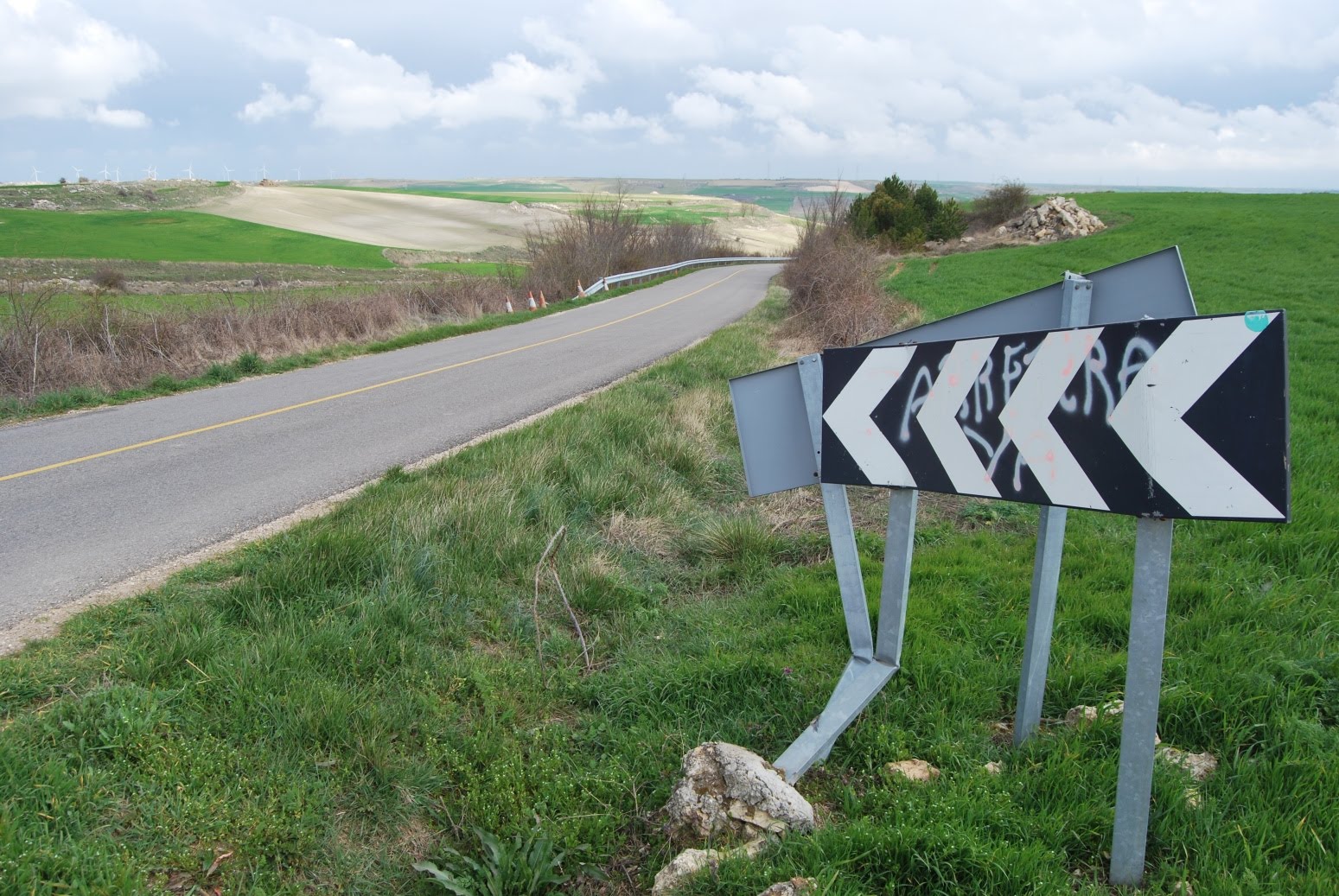
73% of Spanish drivers admit to having made wrong decisions at the wheel due to the confusion caused by poor road signage.
BP Spain, Castrol and the RACE have joined forces to carry out a comprehensive study whose results are intended to raise public awareness of the dangers that driving distractions pose, especially when those distractions originate from elements or circumstances external to the vehicle in which we are travelling.
Thus, the #AlVolanteLoImportante campaign launched by the three companies highlights that the presence of other road users confuses or distracts 55 per cent of Spanish drivers from their responsibilities. The same happens when drivers come across an accident on the road.
In this case, 52 per cent of drivers acknowledge that it represents a significant distraction, as they pay far more attention to what is happening at the scene of the accident than to keeping their vehicle moving. Watching what has happened in an accident is not only a major cause of traffic jams, but also a cause of new accidents, mostly rear-end collisions and minor impacts.
Confusing road signage is also a significant source of driving distractions among Spanish drivers. 48 per cent of those surveyed acknowledged that this type of signage is an important source of distraction for them while at the wheel. For the vast majority of respondents (91%), “vertical road signage is of vital importance and a fundamental aspect in guaranteeing safe driving”.
No less than 73 per cent of respondents admit having made wrong and dangerous decisions at the wheel due to the confusion caused by poor road signage and other distractions. Drivers blame poor signage for their mistakes, and 37 per cent admit to having committed offences and carried out dangerous incorrect manoeuvres that put their lives or those of other road users at risk.
It is even the case that the increasingly widespread and habitual use of navigation systems and GPS by drivers (46 per cent of drivers already use them) cannot compensate for poor signage, as two out of three drivers interviewed say they focus their attention on vertical road signage above the instructions from their navigator, which only 32 per cent of respondents admit to paying more attention to when making driving decisions.
For 51 per cent of drivers, signage is not placed with sufficient advance warning, 35 per cent consider that its size is not large enough to be clearly visible, and 28 per cent believe that, on many occasions, this signage is located in places of poor visibility or hidden behind vegetation and other objects that prevent it from being seen.
Other problems relating to vertical road signage raised by respondents concern the degree to which Spanish drivers understand their meaning. No less than 22 per cent acknowledge not knowing how to identify the meaning of all the signs, and 31 per cent say that current signage is not easy to understand. Another 31 per cent also consider current signs to be not at all credible.
The report also indicates that for 14 and 25 per cent of respondents respectively, the scenery we see while driving and the presence of billboards along the road are also important causes of confusion and distraction while driving.


 Peugeot E-208 GTi: a battery-powered toy that revives the spirit of the 1980s sports cars
 New Lexus ES: luxury grows and goes electric
 First contact with the Dacia Sandero Hybrid 155: power and efficiency from €19,890
Deja un comentario