Ranking of the 7 electric SUVs with the best premium interior design
 Javi Vicente @javivicente
12 May 2026
7 min.
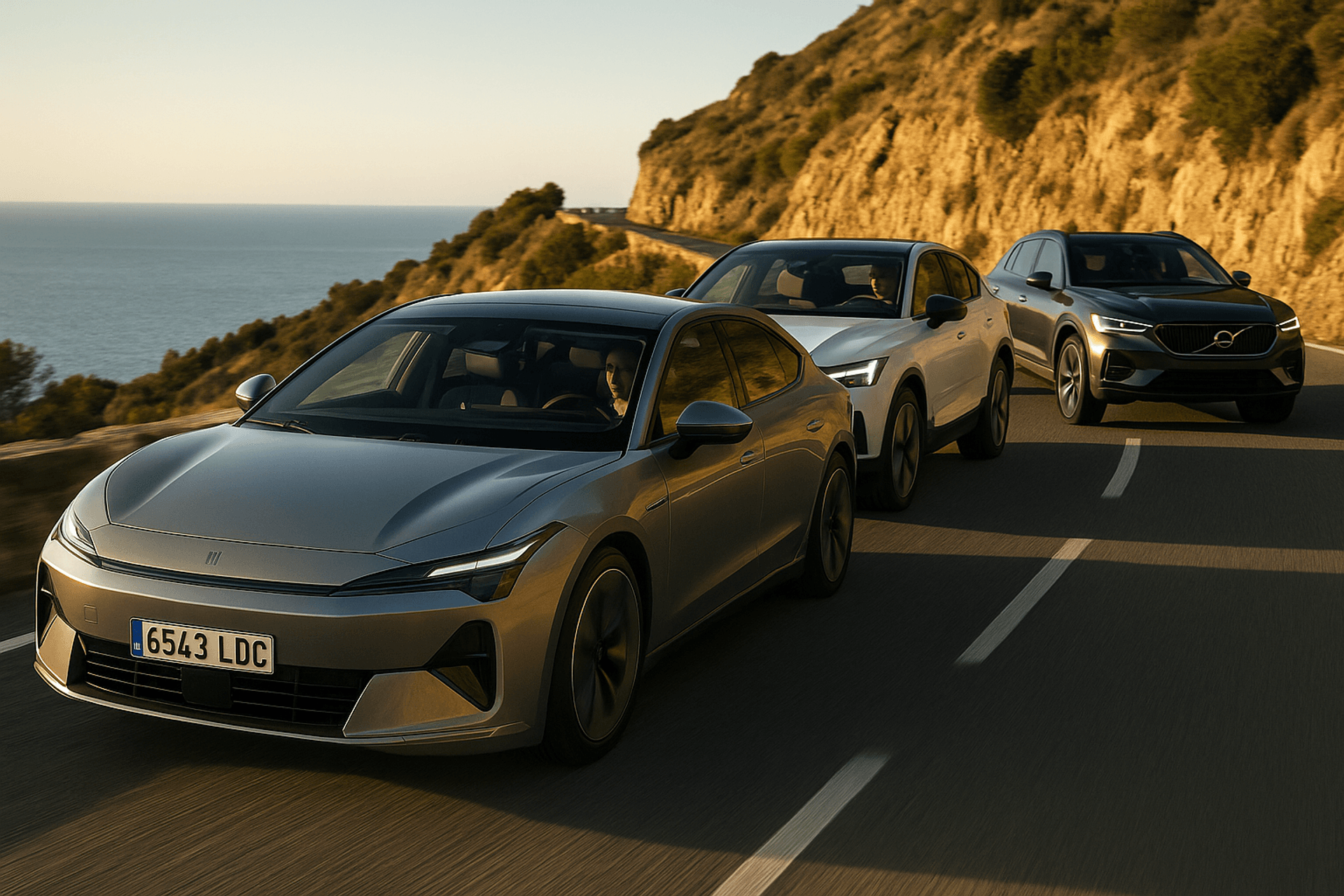
Editorial analysis of the electric SUVs with the best premium interior design on the Spanish market, with Zeekr and Volvo redefining luxury compared with the German benchmarks.
The interior of an electric SUV is no longer measured in screen inches or in the amount of hand-stitched leather. The new frontier of automotive luxury is being fought on different ground: certified sustainable materials, digital ergonomics, executive-class acoustic silence and a concept of the cabin understood as living space. In this scenario, the German benchmarks no longer play alone. The arrival of Zeekr with its 7X and X, and the aesthetic maturity reached by Volvo with the EC40 Recharge, have reshuffled the board of the electric SUVs with the best premium interior design available in Spain.
This ranking, prepared by the Highmotor editorial team, analyses seven models on sale in the national market under four criteria: quality and origin of materials, technology integration, driving position ergonomics and overall aesthetic coherence.
How we have evaluated premium interiors
Before entering the list, it is worth setting out the method. We scored each model from 1 to 10 based on the perceived quality of the materials (including traceability and sustainability), the architecture of the centre console, software integration, sound insulation and the overall sense of space. All prices quoted are the manufacturer’s recommended retail price (RRP), without taking into account dealer discounts, one-off campaigns or purchase incentives such as the Plan MOVES.
1. Zeekr 7X — from approximately €59,000
The Zeekr 7X tops this ranking of luxury electric SUV interiors for one clear reason: it has managed to translate the language of Scandinavian luxury (its design centre is in Gothenburg, and that is no coincidence) into a 4.82-metre cabin that rivals proposals costing €30,000 more. A 16-inch central screen with Snapdragon 8295 processor, a wraparound dashboard with no visible seams, perforated Nappa upholstery in the higher versions and a Yamaha audio system with up to 21 speakers.
The distinctive gesture lies in the details: crystal knobs resembling cut glass, 256-colour ambient lighting synchronised with the music and an electrochromic panoramic roof. Zeekr has understood that silence is also a premium material.
| Power kW | Power hp | Top speed | WLTP range | Consumption | Emissions label | Fuel |
|---|---|---|---|---|---|---|
| 310 kW | 421 CV | 210 km/h | ~615 km | ~17.8 kWh/100 km | Zero | Electric |
2. Volvo EC40 Recharge — from approximately €50,200
The Volvo EC40 Recharge is the most coherent reading of Nordic minimalism applied to an electric crossover. Volvo has entirely eliminated animal leather from its electric range, replacing it with Nordico fabrics (recycled wool and PET) and microtech with a surprising feel. The central console, in ash wood with laser engraving, avoids accessory screens: everything is managed from the 9-inch vertical display with natively integrated Google.
It is the SUV that best embodies the idea of a minimalist electric SUV cabin: few buttons, horizontal lines, seats with massage lumbar support in Ultra versions and sound insulation that surprises for the segment. The Extended Range version is homologated at 582 km WLTP.
| Power kW | Power hp | Top speed | WLTP range | Consumption | Emissions label | Fuel |
|---|---|---|---|---|---|---|
| 185 kW | 252 CV | 180 km/h | 582 km | ~16.5 kWh/100 km | Zero | Electric |
3. Zeekr X — from approximately €45,000
The smaller sibling, the Zeekr X, shows that a premium interior can be offered in a compact format. Here Zeekr plays with a more youthful language: upholstery in biscuit or slate colours, a floating console with an optional refrigerated compartment and a crystal joystick-style gear selector reminiscent of models from Rolls-Royce. It is the most disruptive premium electric car in its segment below €50,000.
| Power kW | Power hp | Top speed | WLTP range | Consumption | Emissions label | Fuel |
|---|---|---|---|---|---|---|
| 315 kW | 428 CV | 200 km/h | ~440 km | ~17.5 kWh/100 km | Zero | Electric |
4. BMW iX — from approximately €88,000
The BMW iX remains the technological benchmark of the segment. Its curved dashboard with dual screens, the hexagonal steering wheel, the seats upholstered in Sensafin virgin wool and the open-pore olive wood trim are exercises in style that are hard to beat. It loses points for an interior architecture that is beginning to show its age compared with more recent proposals, but it gains in a sense of robustness and assembly quality.
| Power kW | Power hp | Top speed | WLTP range | Consumption | Emissions label | Fuel |
|---|---|---|---|---|---|---|
| 240 kW | 326 CV | 200 km/h | ~425 km | ~19.4 kWh/100 km | Zero | Electric |
5. Mercedes-Benz EQE SUV — from approximately €95,000
The EQE SUV is the translation into SUV language of the Hyperscreen concept: a continuous glass surface spanning the dashboard that integrates three screens. Nappa leather, recycled Dinamica fibres, active ambient lighting that reacts to driving and sound insulation worthy of an S-Class. It is luxury in the traditional sense, with no concessions to minimalism.
| Power kW | Power hp | Top speed | WLTP range | Consumption | Emissions label | Fuel |
|---|---|---|---|---|---|---|
| 215 kW | 292 CV | 210 km/h | ~550 km | ~19.1 kWh/100 km | Zero | Electric |
6. Audi Q6 e-tron — from approximately €75,000
The Audi Q6 e-tron debuts the PPE platform and, with it, a completely new dashboard. The curved OLED screen, the optional passenger display with privacy effect, anodised aluminium trim and the atmosphere of dimensional lights with graphic animations raise the bar for the best interior design in an electric car among recent German premium models. Audi retains its hallmark precision in assembly.
| Power kW | Power hp | Top speed | WLTP range | Consumption | Emissions label | Fuel |
|---|---|---|---|---|---|---|
| 285 kW | 387 CV | 210 km/h | ~625 km | ~17.0 kWh/100 km | Zero | Electric |
7. Polestar 3 — from approximately €79,000
The §5BMWh294§ closes the ranking with the most conceptual proposal. Certified vegan interior, Tailored Knit recycled wool fabrics produced with 50% fewer emissions, a 25-speaker Bowers & Wilkins system with Dolby Atmos technology and an instrument cluster reduced to a small strip above the steering wheel. It is radical minimalism, in the line of Volvo but with a more aggressive, sporty edge.
| Power kW | Power hp | Top speed | WLTP range | Consumption | Emissions label | Fuel |
|---|---|---|---|---|---|---|
| 360 kW | 489 CV | 210 km/h | ~560 km | ~20.2 kWh/100 km | Zero | Electric |
Ranking summary table
| Position | Model | Power | WLTP range | Price from | Interior score /10 |
|---|---|---|---|---|---|
| Zeekr 7X | 421 CV | ~615 km | ~€59,000 | 9.4 | |
| Volvo EC40 Recharge | 252 CV | 582 km | ~€50,200 | 9.2 | |
| Zeekr X | 428 CV | ~440 km | ~€45,000 | 8.9 | |
| BMW iX | 326 CV | ~425 km | ~€88,000 | 8.8 | |
| Mercedes EQE SUV | 292 CV | ~550 km | ~€95,000 | 8.7 | |
| Audi Q6 e-tron | 387 CV | ~625 km | ~€75,000 | 8.6 | |
| 7 | §5BMWh442§ | 489 CV | ~560 km | ~€79,000 | 8.5 |
Conclusion: luxury changes hands
The premium electric SUV ranking we have built confirms a trend that Highmotor has been observing for months: the absolute leadership of German manufacturers in luxury interiors has come to an end. Zeekr has entered with a proposal that combines Chinese engineering, Scandinavian design and first-class materials at prices that unsettle the establishment. And Volvo, with the EC40 Recharge, has done what it does best: redefine luxury in terms of sustainability and silence.
For the buyer of a
premium electric SUV in Spain
who values interior design above all else, the landscape is unbeatable. There are options for every aesthetic code: the technological baroque of Mercedes, the Nordic minimalism of Volvo and Polestar, the German precision of Audi and BMW, and the new Sino-Scandinavian sensibility of Zeekr.
Frequently asked questions
Which electric SUV has the best premium interior in terms of value for money?
The Zeekr 7X stands out for offering materials, technology and digital integration of a higher level at prices noticeably lower than comparable German benchmarks, positioning it as the best value for money in premium interiors on the Spanish market.
Is the Volvo EC40 Recharge really a premium interior despite not using leather?
Yes. Volvo has eliminated animal leather from its entire electric range and replaced it with technical fabrics such as Nordico (recycled wool and PET) and microtech, which offer comparable feel and durability, while adding a distinctive value in certified sustainability.
Which brand now leads interior design in premium electric SUVs?
Traditionally Mercedes-Benz and BMW set the standard, but the arrival of Zeekr (with the 7X and X models) and the evolution of Volvo and Polestar have shifted the centre of gravity towards more minimalist, sustainable and technologically integrated proposals.
Do the prices indicated include incentives or discounts?
No. All prices mentioned in this article correspond to the manufacturer’s recommended retail price (RRP), without taking into account current offers, dealer campaigns, one-off discounts or purchase incentives such as Plan MOVES III.


 Peugeot E-208 GTi: a battery-powered toy that revives the spirit of the 1980s sports cars
 New Lexus ES: luxury grows and goes electric
 First contact with the Dacia Sandero Hybrid 155: power and efficiency from €19,890
Deja un comentario