Ranking of the best electric cars of 2026
 Iván Navarro
2 March 2026
8 min.
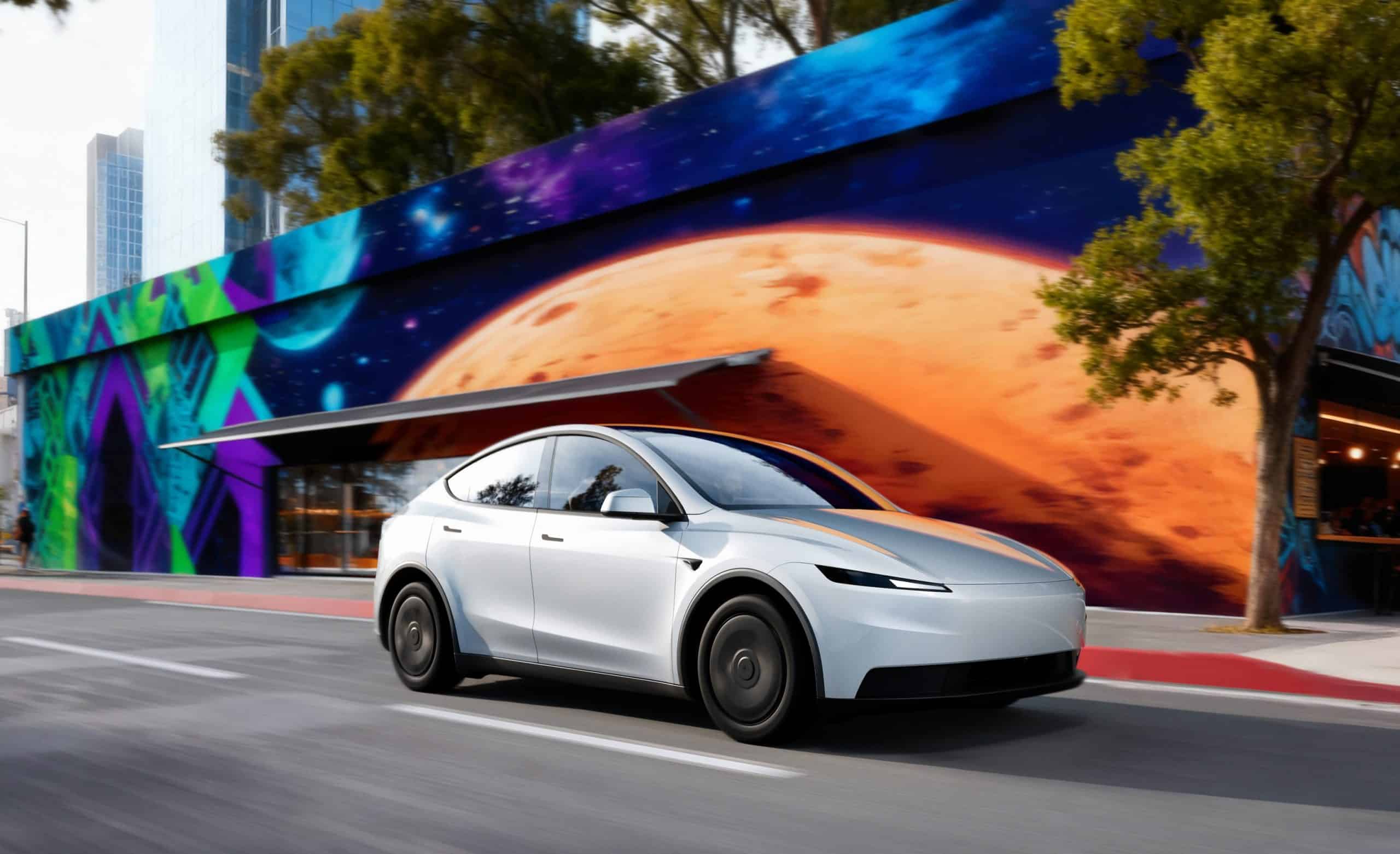
The ever-growing range of electric models makes it difficult to choose the one that best meets our needs. The following guide can help anyone thinking about buying a new electric vehicle.
The electric car market in 2026 is entering a consolidation phase: the range on offer is wide, but the differences between models have narrowed to real-world range, charging infrastructure and the balance between cost and equipment. Manufacturers have refined their platforms and batteries, so the decision now revolves more around daily use, charging capacity and total cost of ownership. Here you will find a representative selection of relevant models in Europe for 2026, with price data and technical features that help you understand what kind of driver each proposal suits.
Who is this ranking for?
This ranking is based on market data, official specifications and published road tests.
If you drive a lot of kilometres each month and need range and efficiency, this list will help you compare options. If you prioritise cost per kilometre or want an electric car for the city with occasional long trips, the datasheets and comparison let you weigh up range, fast charging and value for money.
What details have we analysed?
We have considered each model’s market positioning, official technical specifications (WLTP range and power), homologated consumption, dimensions and expected real-world use, as well as the value-for-money ratio and technical approach that shows how each car compares with its direct rivals.
Ranking of the best electric cars of 2026
Tesla Model 3 (from €44,990*)
Indicative price without applying public grants or the brand’s commercial discounts.
Why it’s here: A well-established electric platform focused on efficiency and its own charging network. It offers good WLTP range and dynamic performance compared with mid-size rivals, along with a differentiated software ecosystem and OTA updates.
Ideal for: Drivers who want efficiency on long journeys and access to an integrated charging network.
Pros:
- Competitive range in its segment.
- Extensive proprietary fast-charging network.
- Remote software updates.
Cons:
- Build quality varies between versions.
- Medium-to-high entry cost in some configurations.
Hyundai Ioniq 5 (from €41,600*)
Indicative price without applying public grants or the brand’s commercial discounts.
Why it’s here: E-GMP platform with a good balance between range and interior versatility. High fast-charging capability and a practical cabin make the Ioniq 5 a solid alternative in the compact SUV/crossover segment.
Ideal for: Users who value versatility, fast charging and comfort on long trips.
Pros:
- Modern electric architecture and efficient fast charging.
- Spacious and practical interior.
- Competitive equipment-to-price ratio.
Cons:
- Polarising styling for some buyers.
- Consumption may rise in higher-power versions.
Volkswagen ID.4 (from €40,500*)
Indicative price without applying public grants or the brand’s commercial discounts.
Why it’s here: An electric SUV aimed at the mass market with a priority on comfort and ease of use. Its balanced approach makes it suitable both for couples and families looking for a practical, easy-to-use car.
Ideal for: Families and drivers seeking a balance between space, price and ease of use.
Pros:
- Platform geared towards comfort and everyday use.
- Affordable pricing within its segment.
- Wide service network and parts availability.
Cons:
- Range and performance depend heavily on the chosen version.
- Some materials feel basic compared with premium rivals.
Renault Mégane E-Tech (from €36,800*)
Indicative price without applying public grants or the brand’s commercial discounts.
Why it’s here: A 100% electric compact with an urban focus and good efficiency. It positions itself as an accessible alternative for those seeking an electric car that balances size, range and entry price.
Ideal for: Urban users and small families who prioritise entry price and efficiency on the WLTP cycle.
Pros:
- Compact format with an efficient cabin.
- Competitive entry price in its category.
- Focus on urban efficiency and usability.
Cons:
- Limited cargo capacity and rear space compared with SUVs.
- Infotainment systems less complete than premium rivals.
BMW i4 (from €58,900*)
Indicative price without applying public grants or the brand’s commercial discounts.
Why it’s here: An electric saloon with performance geared towards dynamism and brand comfort. It combines the dynamic behaviour typical of BMW with a range valid for long journeys and a set-up aimed at the driver.
Ideal for: Drivers who want an electric car with dynamic character and a premium finish.
Pros:
- Dynamic behaviour and chassis tuning aimed at the driver.
- Premium finish and feel.
- High-performance options available.
Cons:
- High entry price compared with generalist alternatives.
- Maintenance and option costs above average.
The prices shown in this ranking are indicative and do not apply public grants or the brand’s commercial discounts.
Technical comparison
| Model | Range | ||||
|---|---|---|---|---|---|
| Tesla Model 3 | 580 km (WLTP) | ND | ND | 225 km/h | €44,990* |
| Hyundai Ioniq 5 | 507 km (WLTP) | ND | ND | 185 km/h | €41,600* |
| Volkswagen ID.4 | 522 km (WLTP) | ND | ND | 160 km/h | €40,500* |
| Renault Mégane E-Tech | 470 km (WLTP) | ND | ND | 160 km/h | €36,800* |
| BMW i4 | 590 km (WLTP) | ND | ND | 225 km/h | €58,900* |
These figures are official and taken from the brands’ official websites.
Purchase grants in 2026: Plan Auto+ and tax benefits
The 2026 Plan Auto+ replaces the previous MOVES programmes and establishes a new system of direct grants for purchasing electrified vehicles in Spain. The scheme prioritises pure electric cars and sets priority criteria that combine economy and industrial origin.
Main amounts under the 2026 Plan Auto+
– Direct grants of up to €4,500 for electric passenger cars.
– Up to €5,000 for light vans in category N1.
– Retroactive effect from 1 January 2026.
– Approximate budget allocation of €400 million.
Who can benefit and priority criteria
Beneficiaries: private individuals, self-employed workers and companies. The EEE criterion (Electric, Economic and European) is applied to prioritise pure electric vehicles over plug-in hybrids. Vehicles priced below €35,000 receive the larger grant, while those between €35,000 and €45,000 receive a reduced grant. In addition, there is an extra incentive if the final assembly or the batteries are manufactured in the European Union.
Additional requirements and tax advantages
The plan requires a mandatory minimum discount of €1,000 from the dealer. There is a 15% income tax deduction up to €3,000, and the tax validity extends until 31 December 2026.
Management and possible regional grants
Management is coordinated between the Ministry of Industry and the Autonomous Communities; additional regional programmes may exist. One example is the Plan Cambia 360 in the Community of Madrid. At the time of writing, it is not confirmed whether these regional grants are fully compatible with the 2026 Plan Auto+.
FAQ · The 5 questions everyone asks
What WLTP range is realistic for daily use?
WLTP range serves as a reference; in real urban use it is often better than at sustained motorway speeds. To estimate your own use, multiply the WLTP range by 0.7–0.85 depending on your driving pace and conditions.
What is the real cost of charging at home compared with a public charger?
Charging at home is usually cheaper per kWh than at fast public stations. The cost depends on your electricity tariff; fast public charging adds a service and power-based fee that can double the price per kWh.
Is it better to buy an electric compact or an electric SUV?
It depends on use: compacts usually offer better efficiency and a lower purchase cost; SUVs provide more space and family practicality. Consider seats, boot space and how often you take long trips.
How does the charging network affect the purchase decision?
If frequent long journeys are part of your routine, prioritise models with good fast-charging performance and access to an extensive network. For mostly urban use, the public network matters less.
Do electric cars hold their value or pose a resale risk?
Resale depends on demand, battery condition and the brand’s service network. Models in high demand usually hold their value better; models with battery warranties and good brand infrastructure tend to be easier to sell.
Expert Conclusion
This ranking shows that in 2026 buyers have clear options depending on their priorities: from models focused on efficiency and charging network to premium saloons centred on dynamism. What it means for the buyer is simple: it is not just about the WLTP range figure, but how the car fits your charging routine, the available infrastructure and the total cost of use.
If you want to make your money go further, first check the real entry price and what comes as standard. If you prefer to play it safe, choose models with higher demand and a wide service network; if your use is mainly urban, prioritise efficiency and a manageable size. If a model is in high demand, it is usually easier to sell later too. And if you cover many kilometres, energy cost and efficiency matter more than the power figure. If you won’t charge often, don’t buy from the brochure: buy for your routine.


 Peugeot E-208 GTi: a battery-powered toy that revives the spirit of the 1980s sports cars
 New Lexus ES: luxury grows and goes electric
 First contact with the Dacia Sandero Hybrid 155: power and efficiency from €19,890
Deja un comentario