Ranking of the Most Important Compact SUVs of 2026
 Iván Navarro
2 March 2026
6 min.
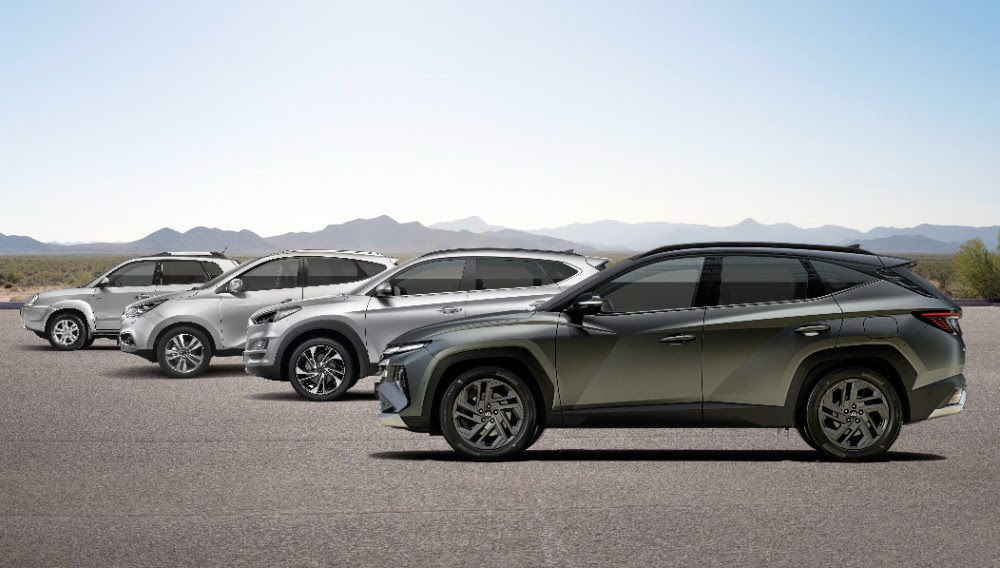
Choosing a new compact SUV is no simple task, given the wide range of such vehicles available today. With the following ranking, we want to help you clarify your ideas if you intend to buy a vehicle in this segment.
The compact SUV market in 2026 shows a mature offering where efficiency and versatility are in charge. Competition is sustained by models that balance consumption, space and technology, with petrol, hybrid and equipment options that shape real-world use. Here you will find a representative selection of relevant models in their category, with clear differences in positioning and technical focus: from alternatives geared towards comfort and efficiency to more dynamic proposals or those with greater load capacity. This overview will help you understand what to expect from each option according to your daily needs and the type of use you have in mind.
Who is this ranking for?
This ranking is based on market data, official specifications and published tests. It is designed for buyers looking for a comparative and practical view of the segment in 2026, without commercial promises or subjective recommendations.
If you drive many kilometres each week and value efficiency, if you need family space without giving up urban comfort, or if you prioritise a car with a good balance between equipment and price, this list offers clear references to identify which model fits your routine and priorities.
What details have we analysed?
We have considered market positioning, official technical data (power and homologations where applicable), WLTP homologated consumption when available, dimensions and expected real-world use, as well as the price/technical approach ratio and the balance between equipment and entry cost.
Ranking of the Most Important Compact SUVs of 2026
Toyota RAV4 (from €36,950*)
Indicative price without applying public aid or the brand’s commercial discounts.
Why it’s here: The RAV4 maintains its positioning as a family SUV with efficient hybrid options and great reliability. It offers versions that favour reduced consumption and a mechanical package proven on road and in town.
Ideal for: Families who value low real-world consumption, a large boot and moderate maintenance costs.
Pros:
- Well-known hybrid system with a track record of efficiency.
- Spacious interior for the category.
- Service network and proven reliability.
Cons:
- Driving feel less sporty than rivals focused on dynamism.
- Less generous technology equipment in entry-level versions.
Volkswagen Tiguan (from €33,500*)
Indicative price without applying public aid or the brand’s commercial discounts.
Why it’s here: The Tiguan combines habitability and comfort with a wide range of engines. Its chassis and tuning prioritise a balance between dynamism and comfort, with strong presence in fleets and among private buyers.
Ideal for: Drivers looking for versatility, perceived quality and varied engine options.
Pros:
- Quality of materials and fit in the cabin.
- Wide range of engines and equipment levels.
- Good behaviour on the road.
Cons:
- Entry price can climb quickly with options.
- Some versions have high consumption in mixed use.
Hyundai Tucson (from €29,900*)
Indicative price without applying public aid or the brand’s commercial discounts.
Why it’s here: The Tucson offers an outstanding value-for-money ratio, with generous technology equipment in the mid-range versions and a range covering everything from efficient engines to mild hybrids.
Ideal for: Those seeking advanced equipment without pushing up the starting price too much.
Pros:
- Competitive standard equipment for its price level.
- Good warranty and service network.
- Functional interior design.
Cons:
- Cabin less quiet with certain engines.
- Boot space somewhat limited in versions with extra equipment.
Peugeot 3008 (from €32,300*)
Indicative price without applying public aid or the brand’s commercial discounts.
Why it’s here: The 3008 stands out for its combination of design, comfort and efficiency, with light hybrid or PHEV engines in some variants, a comfort-oriented driving position and distinctive interior technology.
Ideal for: Those who prioritise interior design and comfort in urban driving and short trips.
Pros:
- Distinctive interior design and carefully finished materials.
- Electrified options in the range.
- Well-balanced comfort on the move.
Cons:
- High-end versions with a costly electric package can be pricey.
- Some controls are not intuitive for all users.
Kia Sportage (from €29,500*)
Indicative price without applying public aid or the brand’s commercial discounts.
Why it’s here: The Sportage offers an alternative with good value for money, a solid commercial warranty, and versions focused on efficiency and practical equipment for everyday use.
Ideal for: Buyers who want equipment and warranty without major premiums over the entry price.
Pros:
- Extended warranty and controlled service costs.
- Balance between comfort and practicality.
- Competitive entry price.
Cons:
- Design that may not appeal to everyone.
- Top versions add considerable cost in accessories.
The prices shown in this ranking are indicative, without applying public aid or the brand’s commercial discounts.
Technical comparison
| Model | Range | Power | Consumption | Top speed | Price (€*) |
|---|---|---|---|---|---|
| Toyota RAV4 | ND | 197–309 hp | 5.5–7.8 l/100km (WLTP depending on version) | 180–200 km/h | €36,950* |
| Volkswagen Tiguan | ND | 150–320 hp | 6.0–8.5 l/100km (WLTP depending on version) | 190–230 km/h | €33,500* |
| Hyundai Tucson | ND | 150–265 hp | 5.6–8.2 l/100km (WLTP depending on version) | 180–220 km/h | €29,900* |
| Peugeot 3008 | ND | 130–300 hp | 5.4–8.0 l/100km (WLTP depending on version) | 180–225 km/h | €32,300* |
| Kia Sportage | ND | 150–265 hp | 5.6–8.0 l/100km (WLTP depending on version) | 180–220 km/h | €29,500* |
These data are official and taken from the brands’ official websites.
FAQ · The 5 questions everyone asks
Which is the most efficient option in this group?
Efficiency depends on the chosen engine: hybrid variants usually offer lower consumption in mixed use. Check the WLTP homologations of each version to compare combined consumption and choose according to your usage pattern.
Is it better to choose a compact hybrid SUV or a pure petrol one?
If you make frequent urban journeys, a hybrid can reduce real consumption. For mostly motorway use, an efficient petrol engine may be simpler and have a lower initial cost.
How important is the commercial warranty?
The warranty affects the total cost of ownership and peace of mind in case of faults. Brands with long warranties reduce financial risk in the medium term and can offset differences in purchase price.
How does equipment affect resale value?
Relevant equipment (safety, driver assistance, sunroof, technology pack) can improve demand on the used market, but some extras do not retain value enough to justify significant increases in purchase price.
What should I check before buying a compact SUV?
Check real consumption under conditions similar to yours, boot capacity and access, comfort on long journeys and local maintenance costs. Independent tests and reviews help to verify expectations.
Expert’s Conclusion
This ranking summarises how in 2026 compact SUVs offer solutions for different profiles: efficiency and reliability (RAV4), balance and perceived quality (Tiguan), value for equipment (Tucson), design and interior comfort (3008), and warranty with an adjusted price (Sportage). For the buyer, this means having mature alternatives depending on priority: consumption, space, or entry cost.
To get the most for your money, first look at the real entry price and what comes as standard. If you prefer to play it safe, consider models with strong market traction and a service network, as they tend to be easier to sell later. And if you cover many kilometres, energy cost and efficiency matter more than the power figure. If you won’t charge often, don’t buy from the catalogue: buy for your routine.

 Peugeot E-208 GTi: a battery-powered toy that revives the spirit of the 1980s sports cars
 New Lexus ES: luxury grows and goes electric
 First contact with the Dacia Sandero Hybrid 155: power and efficiency from €19,890
Deja un comentario