In Germany there are already more than two million electric vehicles on the road
 Javier Cantagalli
2 March 2026
2 min.
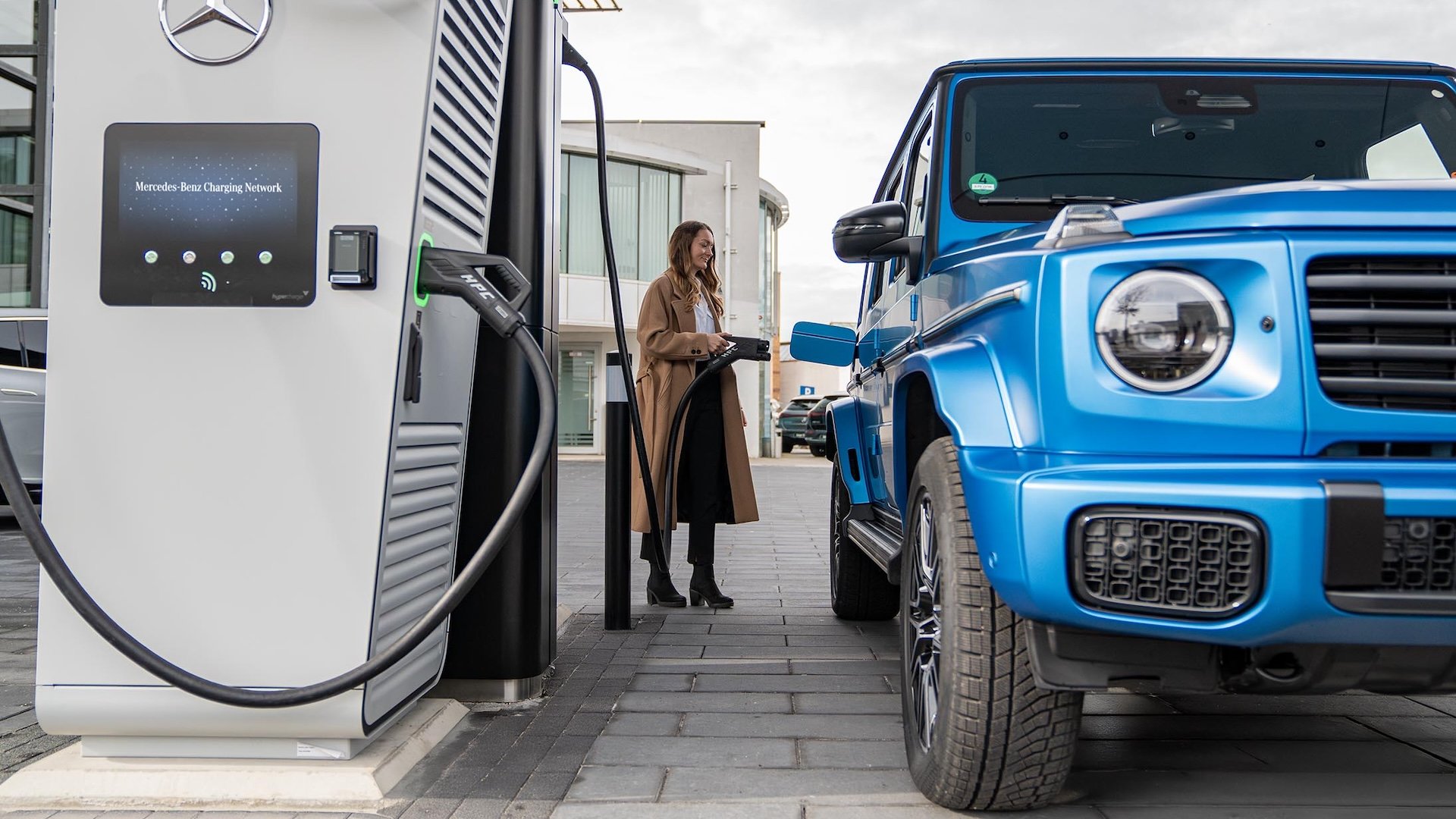
These more than two million electric vehicles on the road consolidate the progress of electric mobility in Germany, although the road ahead will still be long.
Germany has reached a significant milestone in the country’s transition to electric mobility. On German roads and highways, there are already more than two million vehicles with fully electric powertrains, according to official data presented by the Kraftfahrt-Bundesamt (KBA), the German federal motor transport authority.
This body has certified that as of 1 January 2026 the number of electric vehicles in the country stood at 2,034,260, comfortably surpassing the two-million mark.
The progress of electric mobility in Germany over the last decade has been spectacular, considering that in 2017 barely 34,022 battery electric vehicles were circulating on the country’s roads. A really modest figure that has multiplied almost sixtyfold in just 9 years. In any case, the momentum keeps growing and has been especially notable since 2020. In 2023 the one-million mark was finally surpassed, and since then that figure has doubled to exceed two million.
More and more Germans are deciding to make the leap
In 2025 alone, the electric vehicle fleet in Germany grew by 382,617 units, starting from 1,651,643 vehicles at the beginning of that year. Although this net increase was higher than the previous year’s (242,962), it fell slightly short of the record jump recorded between 2023 and 2024 (395,672), probably as a consequence of the federal government’s removal of purchase subsidies for this type of vehicle.
The geographic distribution shows clear differences between regions. The most populous and economically powerful federal states account for most of the electric fleet. North Rhine-Westphalia leads with 454,783 electric vehicles, followed by Bavaria with 395,271 and Baden-Württemberg with 322,060. Other Länder exceeding 100,000 electric vehicles on the road are Lower Saxony with 221,823 and Hesse with 179,213, while Rhineland-Palatinate is approaching that figure.
In terms of penetration, electric mobility is present across the whole country, although with notable inequalities. In eastern states such as Saxony, Saxony-Anhalt, Thuringia, Brandenburg and Mecklenburg-Western Pomerania, battery electric vehicles represent between 2 and 2.3 percent of total passenger cars. By contrast, the main cities show higher percentages, such as Bremen with 3.5 percent, Berlin with 4 percent and Hamburg with 5.3 percent.


 Peugeot E-208 GTi: a battery-powered toy that revives the spirit of the 1980s sports cars
 New Lexus ES: luxury grows and goes electric
 First contact with the Dacia Sandero Hybrid 155: power and efficiency from €19,890
Deja un comentario