Ranking of the most important electric SUVs of 2026
 Dani Montesinos
1 March 2026
8 min.
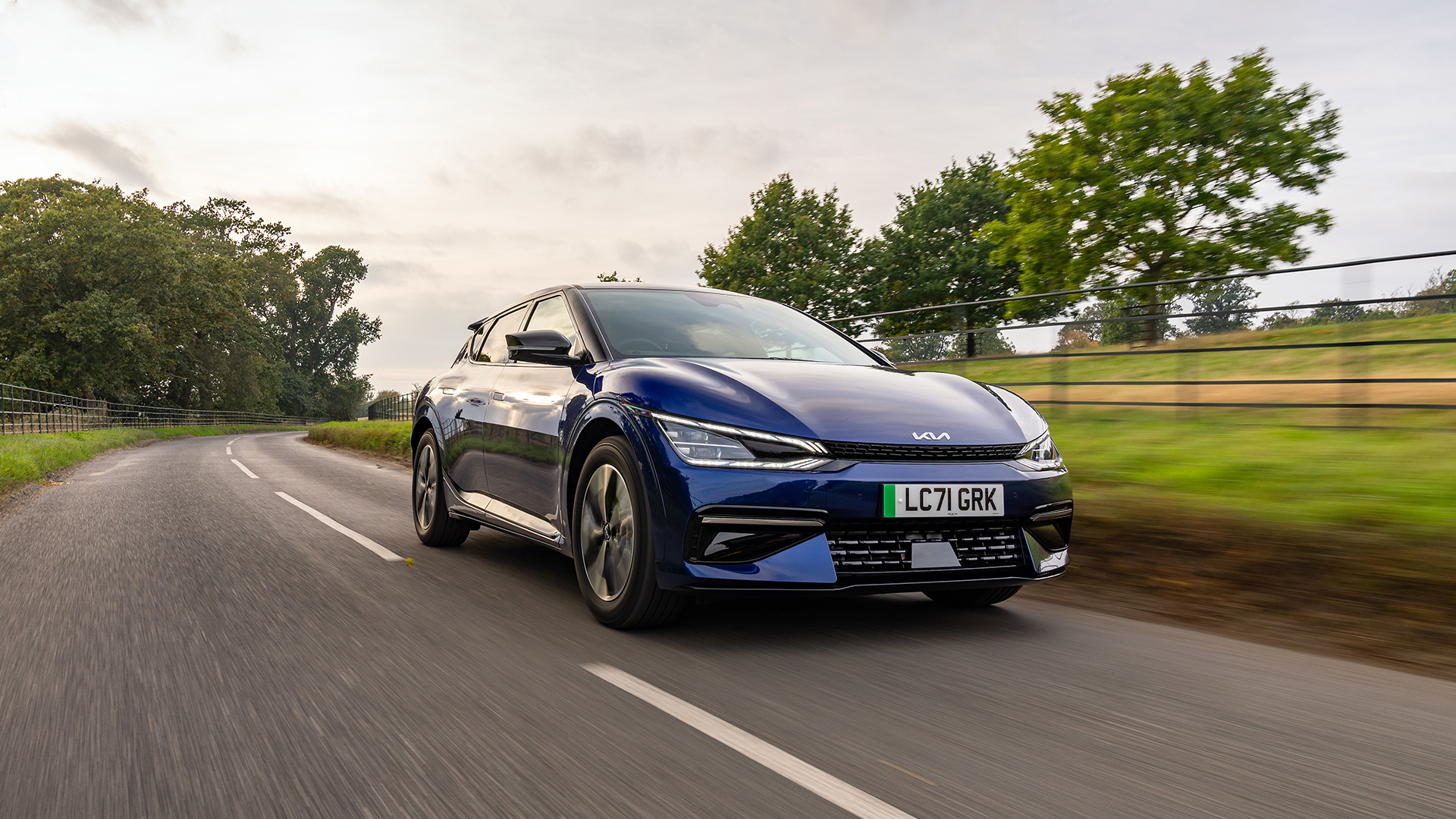
2026 has only just begun, and here we show you the five electric SUVs we consider most important at the start of the year
The electric SUV market in 2026 combines technological maturity and a broad offer: batteries with higher energy density, modular platforms, and a range that spans from compact solutions to models with range oriented toward long journeys. Purchase decisions now balance WLTP range, fast-charging compatibility, and total cost of ownership. Here you will find a selection of representative models from different brands and market positions, with details on why they fit the current market and what kind of use each option is designed for, from urban commuting to frequent motorway trips.
Who is this ranking for?
This ranking is based on market data, official specifications, and published road tests.
If you want an electric SUV for daily commutes and weekends, if you need range for long trips, or if you value cost per kilometre more than sheer power, this list will help you compare alternatives. It is also useful if you are looking at options from different manufacturers—from Korean brands to European and North American ones—to understand market positioning and the technical balance between consumption, performance, and equipment.
What details have we analysed?
We have considered market positioning, official technical specifications (WLTP range and power), homologated consumption, dimensions and expected use, and the price-to-technical-approach relationship. We also assess fast-charging capabilities and real-world versatility for urban use versus long journeys.
Ranking of the most important electric SUVs of 2026
Hyundai Ioniq 5 (from €44,900*)
Indicative price before applying public grants or the brand’s commercial discounts.
Why it is here: Dedicated EV platform with an 800V architecture that enables fast charging and a balance between range and dynamics. Modern interior design and good cargo capacity make it a benchmark in its segment.
Ideal for: Users who need day-to-day versatility and rapid recharging on intercity routes.
Pros:
- Dedicated 800V platform for accelerated charging.
- Well-used interior space and a generous boot.
- Wide range of versions and equipment.
Cons:
- High weight in large-battery versions.
- Possible maintenance cost of electrical systems in the medium term.
Kia EV6 (from €47,900*)
Indicative price before applying public grants or the brand’s commercial discounts.
Why it is here: Shares its platform with some models Hyundai but with a more dynamic tuning and differentiated styling. Offers good range and fast-charging options, suitable for drivers who value responsiveness and comfort.
Ideal for: Those looking for an SUV with a more sporty character without giving up efficiency.
Pros:
- Improved dynamic behaviour compared with more relaxed rivals.
- Battery options with competitive range.
- Good connectivity and safety equipment.
Cons:
- Entry price somewhat higher in well-equipped versions.
- Rear space slightly tighter compared with some rivals.
Volkswagen ID.4 (from €41,800*)
Indicative price before applying public grants or the brand’s commercial discounts.
Why it is here: A European proposal for entering the segment, with a balanced combination of comfort, range, and service network. Aimed at family use and a relaxed driving experience.
Ideal for: Families who prioritise comfort and practicality over sporty sensations.
Pros:
- Comfort and habitability aligned with family expectations.
- Good balance between range and price.
- Extensive network and technical support in Europe.
Cons:
- Fast charging not as aggressive as on 800V platforms.
- Less distinctive interior design.
Ford Mustang Mach-E (from €49,500*)
Indicative price before applying public grants or the brand’s commercial discounts.
Why it is here: With a focus on performance and driving experience, it offers versions with different power and range, as well as good charging capacity in specific versions.
Ideal for: Drivers seeking agile responsiveness and a style with a strong brand character.
Pros:
- Performance-oriented variant with high torque.
- Platform with good dynamic qualities.
- Good technology provision in mid-level trims.
Cons:
- Entry price higher than mid-segment alternatives.
- Service network and customer care vary by market.
Tesla Model Y (from €58,000*)
Indicative price before applying public grants or the brand’s commercial discounts.
Why it is here: Strong focus on efficiency and its own charging network; it leads perceptions of range and of the Supercharger network, with constant OTA updates that affect the driving experience.
Ideal for: Those who prioritise real-world range and access to an integrated fast-charging network.
Pros:
- Significant range in long-range variants.
- Own charging network with wide coverage in Europe.
- Remote updates that improve functions over time.
Cons:
- Perceived quality of finishes varies between units.
- Entry price and options with extra equipment are high.
The prices shown in this ranking are indicative, before applying public grants or the brand’s commercial discounts.
Technical comparison
| Model | Range | Power | Consumption | Top speed | Price (€*) |
|---|---|---|---|---|---|
| Hyundai Ioniq 5 | up to ~481 km WLTP | 125–225 kW | 14–18 kWh/100 km | 160–185 km/h | €44,900* |
| Kia EV6 | up to ~528 km WLTP | 125–239 kW | 14–18 kWh/100 km | 160–260 km/h | €47,900* |
| Volkswagen ID.4 | up to ~520 km WLTP | 125–150 kW | 15–19 kWh/100 km | 160–180 km/h | €41,800* |
| Ford Mustang Mach-E | up to ~610 km WLTP (optimised version) | 150–260 kW | 15–19 kWh/100 km | 180–200 km/h | €49,500* |
| Tesla Model Y | up to ~540 km WLTP | 150–377 kW | 13–17 kWh/100 km | 217–241 km/h | €58,000* |
These data are official and taken from the brands’ official websites.
Purchase grants in 2026: Plan Auto+ and tax benefits
The Plan Auto+ 2026 replaces the previous MOVES programmes and establishes a new system of direct grants for the purchase of electrified vehicles in Spain.
The plan prioritises electrification with incentives and conditions that especially favour pure electric vehicles.
Main amounts of the Plan Auto+ 2026
– Direct grants of up to €4,500 for electric passenger cars.
– Up to €5,000 for light vans in category N1.
– Retroactive effect from 1 January 2026.
– Approximate budget allocation of €400 million.
Who can benefit and priority criteria
Beneficiaries: private individuals, self-employed workers and companies. The EEE criterion (Electric, Economic and European) applies, with greater incentives for BEVs compared with PHEVs. Vehicles priced below €35,000 receive higher aid; between €35,000 and €45,000 they qualify for reduced aid. Final assembly or batteries made in the EU are incentivised.
Additional requirements and tax advantages
A mandatory minimum discount of €1,000 from the dealer. A 15% deduction in personal income tax up to a maximum of €3,000. Tax validity until 31 December 2026.
Management and possible regional grants
Management is coordinated by the Ministry of Industry together with the Autonomous Communities. Additional regional programmes may exist, for example the Plan Cambia 360 in the Community of Madrid. At the time of writing, it is not officially confirmed whether these regional grants are compatible with the Plan Auto+ 2026.
FAQ · The 5 questions everyone asks
What real range can I expect on the road?
WLTP range offers a homogeneous reference, but on the road at high speed and with climate control active, the real figure is reduced. Plan with a margin and consider intermediate charging points on long journeys.
What does it cost to run an electric SUV compared with a combustion one?
Energy and maintenance costs are usually lower for electric vehicles due to fewer moving parts and regenerative braking, but electrical servicing and long-term battery replacement affect the total cost of ownership.
Do I need a charger at home to take advantage of it?
Having a home charger makes the vehicle much more economical to run; without one you will depend on public chargers and tariff plans, which can make daily operation more expensive.
How does fast charging affect battery lifespan?
Frequent fast charging creates greater thermal and chemical stress on the battery. Using it for occasional trips is appropriate; for daily use, charging at moderate rates extends battery life.
What should I check before buying an electric SUV?
Check realistic WLTP range, charging options (AC and DC), battery warranty, service network and final price after grants. Compatibility with your charging routine is essential.
Expert conclusion
This ranking shows how in 2026 the electric SUV segment offers alternatives that meet different priorities: efficiency and charging network, a balance between price and range, or driving dynamism. For the buyer, this means there are mature, proven options; the choice depends less on technological availability and more on how well your actual use matches the vehicle’s capabilities.
If you want to get the most for your money, look first at the real entry price and what comes as standard. If you prefer to play it safe, consider models with higher demand and a strong service network, since when a model sells a lot it is usually for a reason. And if you cover a lot of kilometres, energy cost and efficiency matter more than the power figure. If you won’t charge often, don’t buy from the catalogue: buy according to your routine.


 Peugeot E-208 GTi: a battery-powered toy that revives the spirit of the 1980s sports cars
 New Lexus ES: luxury grows and goes electric
 First contact with the Dacia Sandero Hybrid 155: power and efficiency from €19,890
Deja un comentario