Which option makes sense if I want to save on buying my car in 2026?
 Dani Montesinos
1 March 2026
7 min.
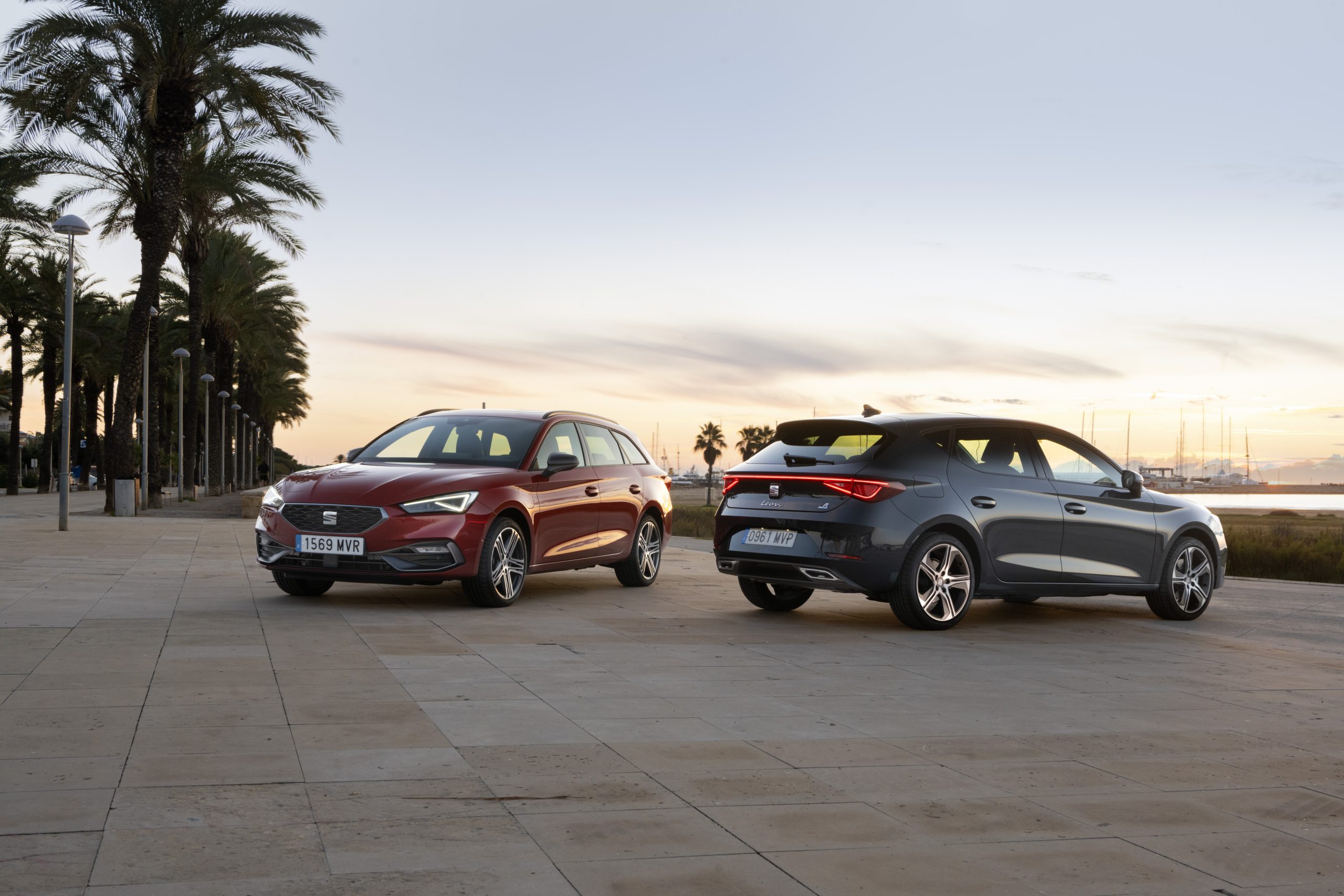
We propose five cars to consider when buying that combine efficient engines and an affordable cost of ownership.
The car market in Spain in 2026 calls for practical decisions: buying a car is not just paying the initial price, but anticipating fuel consumption, maintenance, depreciation and tax incentives. The total cost of ownership includes purchase price, energy and maintenance; considering it before closing the deal reduces surprises. The homologated range is often not the same as the real-world range in daily use, and public aid can significantly alter the initial outlay. These anchor ideas help order priorities and compare alternatives between petrol, hybrid and electric without being swayed by one-off promotions.
This buying guide is for…
This guide is aimed at buyers in Spain looking to reduce the spending associated with buying a car in 2026, whether through a cheap combustion vehicle, a hybrid that reduces urban consumption or an electric car that minimises energy and maintenance costs. It is not the best option for those demanding extreme sporting performance, for fleets with intensive use requirements and no charging infrastructure, or for those who need large vehicles or who tow regularly. It focuses on daily use, urban journeys and occasional weekend trips within the Spanish context.
Common options within the segment
Several approaches coexist in the market: very affordable combustion cars that minimise the initial investment; full hybrids (HEV) that reduce urban consumption without the need for home charging; plug-in hybrids (PHEV) that combine a short electric range with a combustion engine for longer trips; and battery electric vehicles (BEV) that lower running costs if charging access is available. Each approach involves trade-offs in weight, cost, charging planning and purchase price.
Key criteria for choosing well
Realistic range versus homologated range: compare WLTP figures with urban and mixed consumption tests, especially in winter. Power and charging speed: for BEV and PHEV, charging power and the availability of fast charging en route determine usability on long journeys. Stability and comfort on the road: the relationship between battery weight and dynamic behaviour, regenerative braking and suspension. Genuinely useful technology: telematics that help plan charging, efficiency systems and driver assistance features relevant to real use. Total cost of purchase and use: add up taxes, insurance, maintenance, consumption and depreciation over 3–5 year scenarios.
It depends on how you drive
If you drive few kilometres per year and have home charging, a BEV may be the cheapest option in use. If you will mostly drive in the city without a charging point, a full hybrid reduces consumption without complications. For frequent long-distance drivers without sufficient fast-charging network, efficient combustion cars or PHEVs with greater combustion-engine range remain practical. Climate: low temperatures reduce electric range; terrain and average speed determine the real saving.
Real price: what you should know
The “from” price indicates the base version with minimum equipment and usually excludes taxes, registration costs and optional extras. The financed price includes interest and fees; comparing it with cash payment reveals the effective cost. Equipment has a notable influence: driver assistance systems, higher-capacity batteries or comfort packs can add thousands of euros. In addition, public aid and dealer discounts alter the final figure; it is therefore advisable to request an itemised quote and simulate the cost over 3 years.
Reference models on the market
Dacia Sandero (from 11,490 €*)
A low-cost supermini designed to reduce the initial outlay. It fits best in urban and suburban journeys where price and simple running costs are the priority.
The best
Very low purchase price and simple maintenance costs; a good option for tight budgets.
The room for improvement
Limited equipment and material quality; higher consumption and emissions than mild-hybrid or hybrid alternatives in dense traffic.
Toyota Corolla 125H (from 25,300 €*)
Self-charging hybrid system designed for mixed use: it reduces urban consumption without needing external electric charging. Suitable for those seeking reliability and low running costs.
The best
Efficiency in the urban cycle and reduced dependence on charging infrastructure; smooth behaviour in town.
The room for improvement
Loses its advantage on the motorway compared with efficient diesel engines; higher purchase price than basic combustion superminis.
SEAT León e-HYBRID (from 31,900 €*)
Plug-in hybrid aimed at users who combine daily urban driving with frequent road trips. It offers a certain electric range and combustion-engine flexibility.
The best
Possibility of driving on electric power on short trips and combustion backup for long journeys; suitable for mixed-use balances.
The room for improvement
Higher maintenance and upfront cost than non-plug-in hybrids; the real electric range may be limited depending on conditions.
Volkswagen ID.3 (from 34,990 €*)
A 100% electric compact designed for those with home charging who make most of their journeys in urban and suburban environments.
The best
Low running costs per kWh compared with petrol and lower maintenance; quiet and efficient driving in daily use.
The room for improvement
High purchase price and reliance on public charging infrastructure for long trips if you cannot charge at home. Range varies with climate.
Renault Clio E-Tech 145 (from 22,100 €*)
Light hybrid / full hybrid that seeks a balance between price, efficiency and versatility for mainly urban use with occasional road trips.
The best
A good balance between a moderate purchase cost and reduced urban consumption without needing to plug in.
The room for improvement
If driven mostly at high speed it loses part of its advantage over well-optimised petrol engines; space and performance are limited depending on the versions.
Purchase aid
Purchase aid in 2026: Plan Auto+ and tax benefits. The Plan Auto+ 2026 replaces previous programmes and establishes a system of direct aid for the purchase of electrified vehicles in Spain; its design prioritises efficiency and European production.
Main amounts of the Plan Auto+ 2026
– Direct aid of up to 4,500 € for electric passenger cars.
– Up to 5,000 € for light vans in category N1.
– Retroactive effect from 1 January 2026.
– Approximate budget allocation of 400 million euros.
Who can benefit and priority criteria
Beneficiaries: private individuals, self-employed workers and companies. The EEE criterion (Electric, Economical and European) applies, with greater incentive for BEV compared with PHEV. Vehicles priced below 35,000 € receive higher aid; between 35,000 € and 45,000 € they qualify for reduced aid. Additional incentive if the final assembly or the batteries are of European Union origin.
Additional requirements and tax advantages
Mandatory minimum discount of 1,000 € from the dealer. 15% deduction in personal income tax (IRPF) up to a maximum of 3,000 €. Tax validity until 31 December 2026.
Management and possible regional aid
Management is coordinated by the Ministry of Industry together with the Autonomous Communities. Additional regional programmes may exist; for example, the Plan Cambia 360 in the Community of Madrid. At the time of writing it is not officially confirmed whether these regional aids are fully compatible with the Plan Auto+ 2026.
Common buying mistakes
Buying based only on the energy label or the WLTP range without simulating real use. Choosing the top-of-range version for impractical extras that raise the monthly cost without saving in use. Not considering access to home charging when buying a BEV. Ignoring insurance costs and depreciation when estimating total cost. Underestimating the impact of equipment and optional packs on the final price.
With the key points clear — total cost of ownership, charging availability, real use and public aid — the next reasonable step is to compare specific models using itemised quotes and real-world consumption tests to verify which alternative offers the sustained saving you are looking for.


 Peugeot E-208 GTi: a battery-powered toy that revives the spirit of the 1980s sports cars
 New Lexus ES: luxury grows and goes electric
 First contact with the Dacia Sandero Hybrid 155: power and efficiency from €19,890
Deja un comentario