Technology and equipment in the Zeekr X versus the Volvo EX30
 Iván Navarro
29 April 2026
9 min.
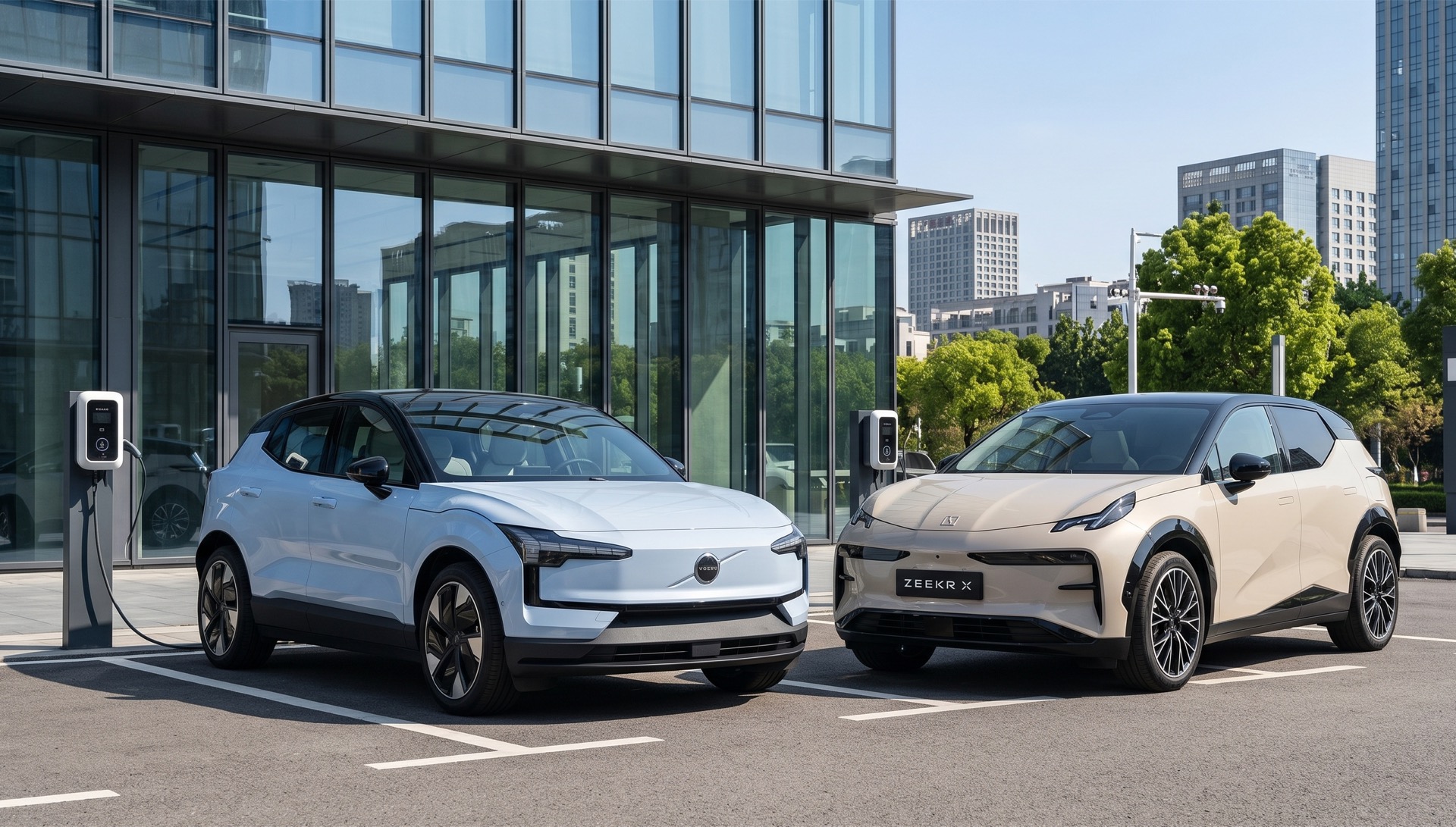
Although both are built on Geely’s SEA platform, the Zeekr X goes for disruptive technological luxury, while the Volvo EX30 opts for the functional, Nordic minimalism of the Volvo EX30
The comparison between the Technology and equipment in the Zeekr X versus the Volvo EX30 sets up a contrast between two different visions of how to bring modern electronics and driver assistance systems to a compact electric SUV. Both models aim to offer a connected and safe experience for driver and passengers, but they approach it from different product and ecosystem perspectives: one rooted in technology and software groups more oriented to the digital customer, and the other drawing on the safety, ergonomics and simplicity tradition of Volvo. Today’s electric SUV buyer looks not only for competitive WLTP range but also for an intuitive interface, OTA updates, reliable driving assistants and comfort levels that justify the outlay in a market where electric car sales in Spain have grown steadily in recent years, according to ANFAC reports.
For its part, the perception of average price and the equipment structure also shape the technology experience: some people prioritise large screens and multimedia ecosystems, while others value the quality of the assistants and smartphone integration. In this comparative analysis we review infotainment systems, driving assistants, permanent connectivity, interior comfort and the differentiating elements that drive the purchase decision between the Zeekr X and the Volvo EX30. Not all users look for the same thing; some will prefer service integration and personalisation, while others will sacrifice superfluous features for more advanced assistance and a more established safety architecture. The result is a technical reading focused on the real-world experience, with references to manufacturer specifications and public technical tests to put advantages and limitations in context.
The most relevant systems in both models
In our technical evaluation we prioritise the balance between usability, reliability, cost and genuine contribution to comfort and safety. Both manufacturers rely on software platforms that allow updates, but they differ in philosophy: one prioritises an expandable proprietary ecosystem, while the other integrates with established third-party services. We consider the response of the driving assistant, the ergonomics of the infotainment, connectivity latency, cabin practicality and the comfort details that affect everyday use.
Zeekr X
The Zeekr X approaches technology with an assertive focus on personalisation and connection. Its infotainment system usually offers a fluid interface with extensive customisation options, native integration of cloud services and 4G/5G connectivity aimed at remote functions, OTA updates and an ecosystem linked to the smartphone. As for assistants, the Zeekr includes advanced ADAS suites with motorway assist features and lane-keeping functions that, in practice, rival those of other Asian manufacturers. The interior emphasises panoramic screens, configurable ambient lighting and comfort features such as zoned climate control and multifunction seats.
The Zeekr proposition tends to stand out for the relationship between visible technology and the capacity to evolve through software: users interested in gadgets, permanent connectivity and multimedia functions find this approach very competitive. Compared with rivals such as the Hyundai Kona or the Kia Niro, the Zeekr X tries to position itself with a software layer more recognisable to digital customers and with specific personalisation features. However, this approach may penalise the perception of long-term robustness if the hardware-software integration is not consistently maintained.
The good
• Modern, customisable multimedia interface.
• Advanced connectivity and a focus on OTA.
• Generous comfort equipment in the mid-range versions.
To be improved
• High dependence on the software ecosystem.
• Quality of some materials where costs have been cut.
Worth considering
The Zeekr X stands out for its connectivity and infotainment system, which make it a solid choice for those who prioritise digital services and vehicle personalisation.
| Feature | Data | Score |
|---|---|---|
| Power | Depends on version (varies) | 8.6 |
| Range | Varies by version and cycle (check the spec sheet) | 8.2 |
| Top speed | Limited depending on version | 7.8 |
| Boot | Practical space for its size | 8.0 |
| Price from | Depends on market and equipment | 8.4 |
score out of 10 based on the criteria analysed in this article
Volvo EX30
The Volvo EX30 takes a different approach: more focused on active safety and functional software simplicity, with service integration through established platforms. Its infotainment system usually comes with a solution based on Android Automotive (built-in Google), which makes it easy to use familiar apps and gives an immediate navigation and multimedia experience. In terms of assistance, Volvo keeps its historical focus on passive and active safety systems: sensors, impact mitigation algorithms and driver assistants finely calibrated to reduce fatigue and increase predictability in urban and extra-urban manoeuvres.
The EX30 values ergonomics, quality of finish and a user experience less geared to accumulating features and more to their effectiveness. This appeals to buyers who value clear interfaces, reliable integration with mobile services and the reputation of Volvo for driver assistance. Compared with options such as the Tesla Model Y or the Hyundai Ioniq 5, the EX30 offers a more compact proposition centred on safety and comfort.
The good
- Strong focus on safety and calibrated assistants.
- Integration with Android Automotive and a consolidated ecosystem.
- Perceived quality and interior ergonomics.
To be improved
• Fewer options for deep software personalisation.
• Some advanced features may be reserved for higher equipment levels.
Worth considering
The Volvo EX30 stands out for its assistant calibration and integration with Android Automotive, which makes it recommendable for those who prioritise safety and simplicity of use.
| Feature | Data | Score |
|---|---|---|
| Power | Varies by version | 8.4 |
| Range | Depends on battery and version (see spec sheet) | 8.0 |
| Top speed | Electronically limited depending on version | 7.7 |
| Boot | Good practical capacity for its class | 8.1 |
| Price from | Depends on equipment and market | 8.0 |
score out of 10 based on the criteria analysed in this article
Technology comparison
In practical terms, the Zeekr X excels thanks to its software layer and multimedia options, while the Volvo EX30 comes out ahead in assistant coherence and integration quality. The key difference lies not so much in the presence of systems (both have them) as in their execution: latency, refinement and ease of use. In practice, a driver who prioritises multimedia experience and personalisation will find added value in the Zeekr X; one who prioritises driving assistance and predictable behaviour will lean towards the Volvo.
| Model | Power | Range | Price | Score |
|---|---|---|---|---|
| Zeekr X | Varies | Varies | Depends on market | 8.6 |
| Volvo EX30 | Varies | Varies | Depends on market | 8.4 |
score out of 10 based on the criteria analysed in this article
Which to choose according to your profile
If you do a lot of city driving
The Volvo EX30 is recommended for its ergonomics, urban assistants and the clarity of the Android Automotive system, which makes everyday use easier and reduces distractions.
If you travel frequently
The Zeekr X may be more interesting thanks to its focus on connectivity, personalisation options and remote functions that improve the experience on long journeys.
If you are looking for the best price
Check the entry versions: the Zeekr tends to offer more technological equipment for the money at mid-range levels, although the real comparison depends on the specific equipment.
If technology is your priority
For those who value cutting-edge infotainment and connected services, the Zeekr X offers a more ambitious layer; for those who prioritise assistants and stability, the EX30 is more straightforward.
Frequently asked questions
Which of the two has the better infotainment system?
It depends on your criteria: the Zeekr X focuses on personalisation and its own features; the Volvo EX30 offers solid integration through Android Automotive and familiar usage.
Which driving assistance features are most complete?
Both have advanced packages; the Volvo stands out for calibration and predictability, while the Zeekr adds flexible features updatable via software.
How do OTA updates affect the experience?
OTA updates allow new features to be added and bugs to be fixed; the Zeekr X uses them as a pillar of its proposition, while the Volvo integrates them with a focus on safety and system stability.
Which offers better smartphone connectivity?
The Volvo, with Android Automotive and built-in Google, makes apps easy to use; the Zeekr competes with its own services and greater personalisation capacity.
Which car holds its value better thanks to its technology?
Residual value depends on many factors: brand reputation, software evolution and market demand; the Volvo tends to benefit from its safety image when it comes to holding value.
Expert opinion
Beyond the list of features and the usual screen comparison, the choice between the Zeekr X and the Volvo EX30 should come down to real use. The Zeekr X is the choice for those who want a car that evolves over time, with an ambitious software layer and a service offering aimed at digital users; its range of connectivity and multimedia options suits profiles that prioritise interaction and personalisation.
The Volvo EX30, by contrast, carries the brand’s heritage: well-executed simplicity, calibrated assistants and integration with well-known platforms that reduces the learning curve. For those who mostly drive in the city and look for reliability in driving assistance, the EX30 offers a more direct and predictable experience. For those who make long journeys, value constant connectivity and appreciate the possibility of new features via OTA, the Zeekr X can provide a tangible added value.
In both cases, it is worth comparing specific versions and favouring those that include the assistant and safety packages you actually use day to day. Assessing real ergonomics, the latency of the multimedia system and the quality of the assistants in practical tests is more decisive than a list of equipment; that check is where the difference lies between a satisfactory purchase and one based solely on specifications.
Technical specifications of this car


 Peugeot E-208 GTi: a battery-powered toy that revives the spirit of the 1980s sports cars
 New Lexus ES: luxury grows and goes electric
 First contact with the Dacia Sandero Hybrid 155: power and efficiency from €19,890
Deja un comentario