Hyundai IONIQ IONIQ 6 Model 3 Tesla Sedans Electric Cars Comparisons Buying Guides
Tesla Model 3 vs Polestar 2: which electric saloon offers more real value under €55,000?
 Iván Navarro
25 August 2026
6 min.
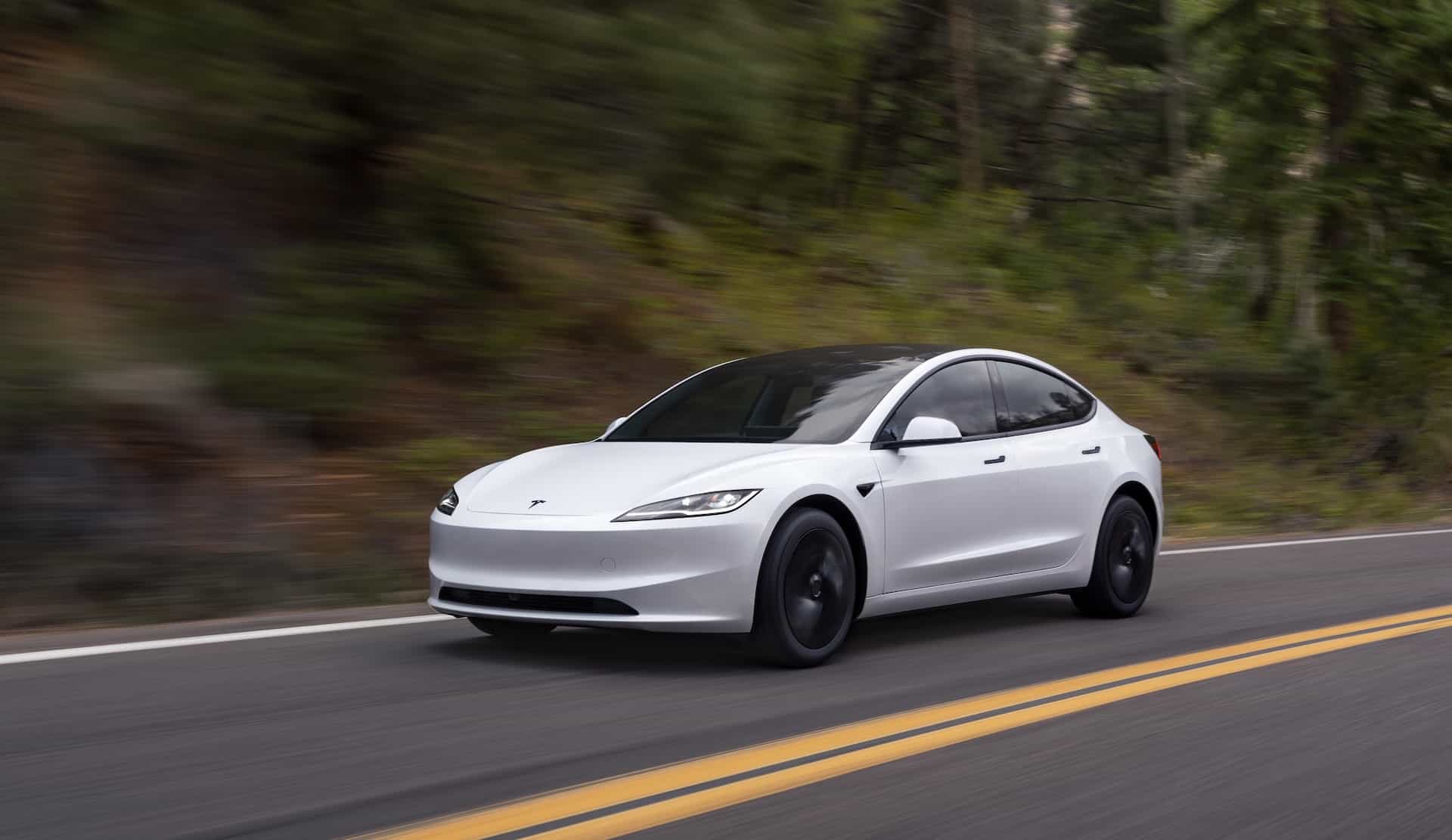
We compare the Tesla Model 3 Standard and the Polestar 2 Long Range Performance to answer which premium electric saloon offers the best value-for-money under €55,000 in Spain.
The premium electric saloon segment has narrowed down to a handful of serious names, and within that handful there are two that always appear in the same sentence: Tesla Model 3 vs Polestar 2. Both target the same buyer — someone who wants a well-rounded electric car, with real-world range and aspirational appeal — but they do so from very different schools. One comes from Silicon Valley and prioritises software, efficiency and price. The other is born from the Volvo/Geely DNA and bets on materials, Swedish touch and an almost editorial minimalist image.
From the initial list of candidates we have discarded the equivalent electric proposal from BYD: in our view, and despite its commercial momentum in Spain, its electric saloons do not yet reach the level of dynamic refinement or interior coherence offered by the two protagonists of this comparison. It is an editorial decision, not an absolute verdict on the manufacturer. That said, let’s get to the duel.
Why do we compare these two models under €55,000?
The question the reader asks is simple: which electric saloon under €55,000 makes more sense today in Spain? And here it is worth being honest from the first paragraph, because the answer is not symmetrical. The entry-level Model 3 fits comfortably below that threshold. The Polestar 2, in the version we have analysed, does not.
That mismatch is precisely what makes the comparison interesting. We are not measuring two cars with the same RRP, but two philosophies about what a premium electric saloon should be in 2024.
Tesla Model 3 Standard RWD — from €36,990
The entry-level Model 3 is, on paper, an exercise in intelligent restraint: 280 CV, rear-wheel drive, a 64 kWh battery (≈60-62.5 kWh usable) and a WLTP range of 534 km. No excesses. Everything aimed at the car doing what it must do — covering a lot of distance with little — without going through a box of absurd options.
The recent update has smoothed out the most criticised flaws: quieter rolling, less harsh suspension, indicators on the stalk (at last) and an interior that remains spartan but no longer feels cheap. Real-world range for the Tesla Model 3, without driving with an open hand on the motorway, stays around the homologated 534 km in mild temperatures, and drops towards 400 km in winter at 120 km/h. Honest figures.
| Power kW | Power CV | Top speed | WLTP range | Consumption | Label | Fuel |
|---|---|---|---|---|---|---|
| 208 kW | 279 CV | 201 km/h | 534 km | ≈13 kWh/100 km | Zero | Electric |
Polestar 2 Long Range Dual Motor Performance — from €64,450
Here we need to clarify. The price of the Polestar 2 in Spain in the Long Range Dual Motor Performance variant sits clearly above the threshold we set: around €64,450 RRP. It is a car from a different league in figures — 476 CV, all-wheel drive, an 82 kWh battery, a WLTP range of 568 km — and in reality it competes with the Model 3 Performance, not with the entry-level Model 3.
So why do we keep it in? Because the Polestar 2 range includes more affordable versions that do fall under €55,000, and because the car’s DNA — a chassis tuned by Öhlins in this variant, Brembo brakes, an interior with WeaveTech fabrics and a very Volvo ergonomics — is the same across all of them. In practice, whoever looks at a Polestar 2 is buying sensations, not a spreadsheet.
| Power kW | Power CV | Top speed | WLTP range | Consumption | Label | Fuel |
|---|---|---|---|---|---|---|
| ≈350 kW | ≈480 CV **476 CV** | ≈210 km/h **205 km/h** | ≈570 km **568 km** | ≈17 kWh/100 km **16.8-17.2 kWh/100 km** | Zero | Electric |
Range, charging and real efficiency
On paper the Polestar wins on gross battery capacity (82 kWh versus ≈60-62.5 kWh usable) and on WLTP figures, but it loses on efficiency. The Model 3 averages around 13 kWh/100 km in real mixed use; the Polestar 2 Performance, with its 476 CV and all-wheel drive, easily climbs to 17-18. In plain terms: the Tesla costs less per kilometre even when charging away from home.
On fast charging the Model 3 still holds an advantage thanks to the Supercharger network, now open to other brands but designed to work seamlessly with its own. It is a difference that does not appear in the technical sheet but that becomes noticeable on a long journey.
Interior, feel and perceived quality
Here the Swede wins. No contest. The Polestar 2 cabin feels a step above: nobler materials, finer assembly, a vertical screen with native Android Automotive that remains a reference. The Model 3, even after the restyle, keeps its minimalist radicalism — a single screen, zero physical buttons — which fascinates some and infuriates others. To my taste, the Polestar better conveys the idea of “European premium”; the Tesla, that of a “well-executed gadget”.
That said, in rear legroom and boot space the Model 3 comes out better. The Polestar’s central tunnel and sloping roof take their toll.
Dynamics: efficiency versus sensations
The Model 3 RWD is agile, quick to respond and honest. It does not pretend to be sporty and is right not to fake it. The Polestar 2 Performance, with Öhlins and Brembo brakes, does offer a more refined driving feel — a car you enjoy carving corners with. Now, is it worth paying almost double for that dynamic plus? It depends on use. If your vehicle will cover 25,000 km a year in mixed travel, no. If driving for pleasure weighs in the decision, perhaps yes.
We already addressed this kind of efficiency-versus-sensations dilemma with other models in the segment in the duel between the IONIQ 6 and the Polestar 2 itself, where the pattern repeats.
Comparison table and editorial score
| Model | Power | WLTP range | Battery | Price from | Score /10 |
|---|---|---|---|---|---|
| Tesla Model 3 Standard RWD | ≈280 CV **279-283 CV** | ≈530 km **534 km** | ≈64 kWh **≈60-62.5 kWh usable** | ≈€37,000 **€36,990** | 8.7 |
| Polestar 2 LR Dual Motor Performance | ≈480 CV **476 CV** | ≈570 km **568 km** | ≈82 kWh | ≈€65,400 **€64,450** | 7.9 |
The prices indicated are the manufacturer’s recommended RRP, without dealer discounts, one-off campaigns or aid from the current Plan Auto+ scheme. It is advisable to check them on each brand’s official website before closing a deal.
Verdict
Below the €55,000 threshold, the answer is clear: the Tesla Model 3 offers the better real value-for-money today. The Polestar 2 in its Performance variant plays in a different price and purpose category — and that does not make it a worse car, it makes it one designed for a different buyer. If budget is the priority, Tesla. If feel and interior are the priority, and a Polestar 2 entry-level version falls within range, then the balance tips the other way.
Frequently asked questions
Which premium electric saloon offers the best value-for-money under €55,000 in Spain?
The Tesla Model 3 Standard RWD, from €36,990, with 279 CV and 534 km of WLTP range. The Polestar 2 in the Long Range Dual Motor Performance version sits above that threshold (€64,450).
How much real-world range does the Tesla Model 3 have in mixed use?
The WLTP figure is 534 km. In real mixed use, in mild temperatures, it stays close to that figure; on the motorway at 120 km/h in winter, closer to 400 km.
Is it worth paying the premium for the Polestar 2 Performance?
It depends on your profile. It offers 476 CV, all-wheel drive, an Öhlins chassis and Brembo brakes. If you are looking for driving sensations and a more refined interior, yes; if you prioritise efficiency and cost per km, the Model 3 is the more reasonable choice.
Do the prices include purchase incentives?
No. They are the recommended RRP without discounts or aid. The Plan Auto+ may apply depending on current conditions; check the official website for the updated amount.
Technical specifications of the cars in this article


 Peugeot E-208 GTi: a battery-powered toy that revives the spirit of the 1980s sports cars
 New Lexus ES: luxury grows and goes electric
 First contact with the Dacia Sandero Hybrid 155: power and efficiency from €19,890
Deja un comentario