Sedans Electric Cars Comparisons Tests
Tesla Model 3 vs Polestar 2: which offers better real value in the premium compact electric segment
 Iván Navarro
2 June 2026
4 min.
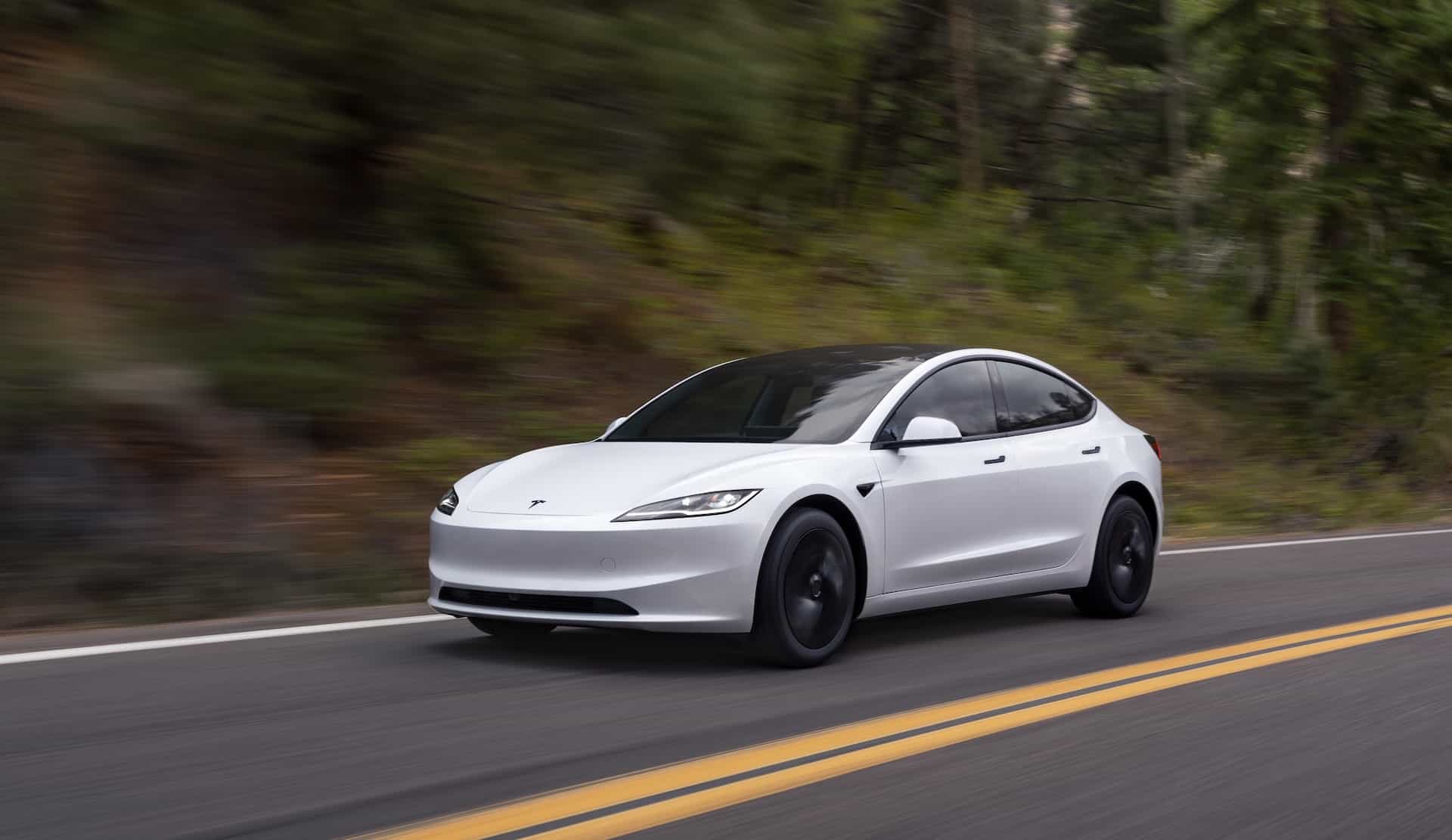
Premium comparison between Tesla Model 3 and Polestar 2 Long Range Dual Motor: range, performance, software and indicative price to decide which offers better real value in Spain.
The premium compact electric saloon segment has matured enough that the decision is no longer made by default. Five years ago, buying a mid-size electric car with aspirational pretensions meant, almost inevitably, signing a contract with Tesla. Today the landscape is different, and the duel Tesla Model 3 vs Polestar 2 embodies two opposing philosophies about what an electric car should be.
The segment context: premium electric saloons in Spain
The premium electric saloon in Spain is going through a curious moment. Mainstream brands have raised the bar—even historically conservative manufacturers such as Mitsubishi are repositioning their electrified range towards more sophisticated products—while electric-specialist players are fighting to differentiate themselves through software, materials and driving experience. Tesla and Polestar are the two sharpest poles of that contest: radical minimalism versus Scandinavian craftsmanship.
Tesla Model 3: the benchmark from around €40,000
The current Model 3, in its rear-wheel-drive Standard version, remains the yardstick of the segment. Not out of caprice: it combines remarkable efficiency with performance that outclasses any equivalent compact combustion car, and it does so at an indicative price starting from €40,000.
| Power kW | Power CV | Top speed | Range | Consumption | Label | Fuel |
|---|---|---|---|---|---|---|
| 210 kW | 280 CV | 200 km/h | 510 km | 13.2 kWh/100 km | ZERO | Electric |
Software and ecosystem: Tesla’s trump card
Here Tesla still plays in a different league. The integration between car, app and the Supercharger network is the smoothest on the market, and over-the-air updates keep adding genuine features years after registration. For many buyers, this weighs more than any difference in materials.
Efficiency and real-world range
With homologated consumption around 13 kWh/100 km, the Model 3 is one of the most efficient premium electric cars sold in Spain. In mixed use, the 510 km of WLTP range translates into very honest real-world figures for intercity journeys.
Polestar 2 Long Range Dual Motor: Swedish craftsmanship from around €65,400
The Polestar 2 Long Range Dual Motor Performance plays on a different board. With 476 CV, all-wheel drive and an interior finish that breathes Volvo heritage, this saloon targets the buyer who values the physical presence of the product as much as its performance.
| Power kW | Power CV | Top speed | Range | Consumption | Label | Fuel |
|---|---|---|---|---|---|---|
| 350 kW | 480 CV | 210 km/h | 570 km | 17 kWh/100 km | ZERO | Electric |
Design and materials: the Scandinavian argument
Where Tesla opts for extreme minimalism—steering wheel, central screen and little else—Polestar maintains a more conventional interior architecture: instrumentation in front of the driver, high-quality recycled materials and native Android Automotive integration that many prefer over Tesla’s proprietary system.
Performance: all-wheel drive and 476 CV
The key figure is the 0-100 km/h in around 4.2 seconds. The Polestar 2 Performance is objectively quicker than the Model 3 Standard, but it also weighs more and consumes more. The 82 kWh battery partly offsets that difference, offering around 570 km WLTP.
Direct comparison: where each one wins
The question of the best premium compact electric car has no single answer because it depends on different priorities:
- If you prioritise efficiency and software: Model 3.
- If you prioritise raw performance and design: Polestar 2 Performance.
- If you prioritise price: Model 3, no question.
- If you prioritise exclusivity: Polestar 2 (far fewer are seen).
It is also worth remembering that the RRP figures used here are manufacturer’s recommended prices, excluding dealer discounts, one-off campaigns and current Moves grants.
Summary table and rating
| Model | Power | Range | Price from | Efficiency | Software | Finish | Score |
|---|---|---|---|---|---|---|---|
| Tesla Model 3 | 280 CV | 510 km | ≈€40,000 | 9/10 | 10/10 | 7/10 | 9.0/10 |
| Polestar 2 LR Dual Motor | 480 CV | 570 km | ≈€65,400 | 7/10 | 8/10 | 9/10 | 8.2/10 |
The verdict: real value versus desire
In terms of the range-price-performance balance, the Tesla Model 3 offers objective value that is hard to beat: for about €25,000 less than the Polestar 2 Performance, it delivers competitive range and a superior digital ecosystem. The case for Polestar is emotional and material: whoever chooses it knows they are paying a premium for design, exclusivity and an interior that ages better.
Frequently asked questions
Which has more real-world range, Tesla Model 3 or Polestar 2?
In WLTP figures the Polestar 2 Long Range Dual Motor wins with around 570 km versus the 510 km of the Model 3 Standard. In real consumption, the Model 3 is more efficient per kWh.
Is it worth paying the price difference for the Polestar 2?
Only if you particularly value Scandinavian design, premium materials and all-wheel drive with 480 CV. On pure performance-to-price ratio, the Model 3 is unbeatable.
Which car has better software and connectivity?
Tesla maintains a clear advantage in app-car integration and charging network. Polestar offers native Android Automotive, preferred by users of the Google ecosystem.


 Peugeot E-208 GTi: a battery-powered toy that revives the spirit of the 1980s sports cars
 New Lexus ES: luxury grows and goes electric
 First contact with the Dacia Sandero Hybrid 155: power and efficiency from €19,890
Deja un comentario