The 5 SUVs with the most sophisticated LED matrix lighting system on the market
 Iván Navarro
19 July 2026
6 min.
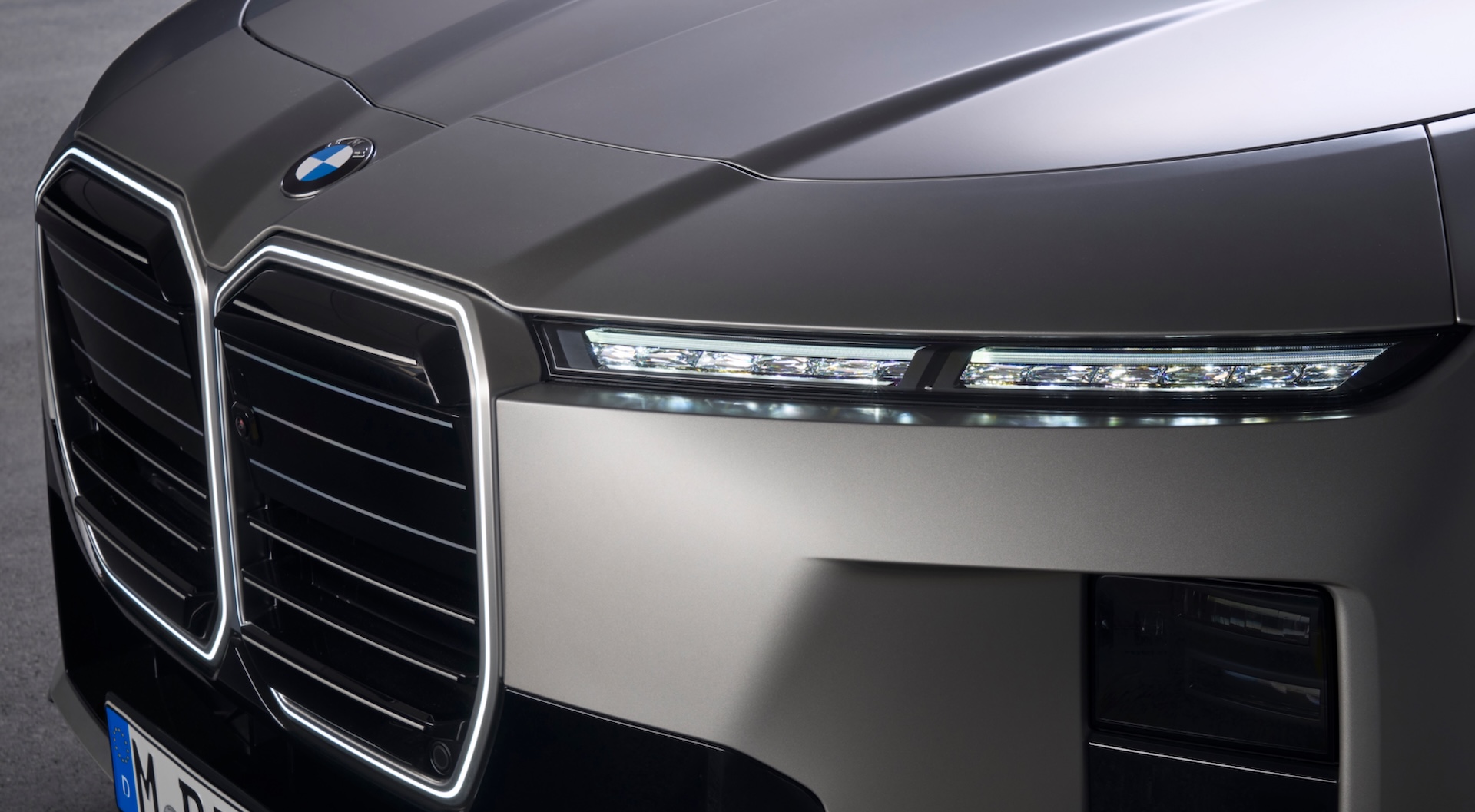
We analyse the five SUVs with the most advanced Matrix LED headlight technology on the Spanish market in 2026, with verifiable technical data and an objective comparison between premium systems.
Lighting has stopped being a merely functional accessory and has become one of the most contested territories of premium engineering. In a modern SUV, the headlight is a computer that projects light: it analyses traffic sixty times a second, draws symbols onto the tarmac and sculpts millimetre-precise shadows around every vehicle that passes. In 2026, the gap between a conventional LED headlight and a state-of-the-art matrix system is enormous, and European manufacturers have turned this technology into a sales argument as powerful as performance or range.
This ranking analyses the five SUVs with the most sophisticated matrix LED lighting on sale in Spain, looking at pixel resolution, adaptive functions, integration with autonomous driving and projection quality.
What matrix LED lighting is and why it defines the premium SUV of 2026
A Matrix LED headlight divides the high-beam into dozens, or thousands, of independent segments that switch on and off selectively. The result: the high beams can stay permanently on without dazzling other road users. The most advanced systems, based on DMD (Digital Micromirror Device) or µAFS technology, reach resolutions approaching those of a home cinema projector and can draw guide lines, warning signs and assistance patterns onto the road surface.
The difference between a good system and an exceptional one is measured by three variables: the number of individual pixels, the reaction speed of the software and the capacity for symbolic projection. Today’s adaptive LED headlights on SUVs no longer simply switch off zones: they shape the light.
1. Audi Q8 with Digital Matrix LED and HD Matrix
The Audi Q8 sets the reference standard thanks to its Digital Matrix LED headlights with DMD technology. Each unit integrates 1.3 million micro-mirrors that project light with cinematic precision. The system activates a luminous carpet that accompanies the driver’s lane, shows orientation symbols when leaving the vehicle and projects warnings of roadworks or pedestrians.
The lane light function draws a dynamic corridor on the tarmac that narrows on bends, and coming home deploys animations designed in Ingolstadt. It is, today, the most advanced proposition in Matrix LED car technology in the segment.
| Power kW | Power CV | Top speed | Range | Consumption | Label | Fuel |
|---|---|---|---|---|---|---|
| 210 kW | 286 CV | 241 km/h | 750 km | 8.3 l/100 km | C | Petrol mild-hybrid |
2. Mercedes-Benz GLE with Digital Light
The Digital Light system of Mercedes-Benz fitted to the GLE uses more than 1.3 million micro-mirrors per headlight and a control unit capable of processing the environment at 100 fps. The Stuttgart brand has pushed symbolic projection to the extreme: the GLE can draw virtual stop signs, temperature warnings, guide lines at roadworks or even directions for the driver on bends.
Its anti-dazzle algorithm manages up to 24 simultaneous vehicles within the beam, a figure that places Mercedes at the forefront of complex traffic management. A canonical example of a SUV with matrix lights of very high resolution.
| Power kW | Power CV | Top speed | Range | Consumption | Label | Fuel |
|---|---|---|---|---|---|---|
| 270 kW | 367 CV | 240 km/h | 680 km | 9.1 l/100 km | ECO | Diesel MHEV hybrid |
3. BMW X5 with BMW Laserlight and Adaptive LED
BMW has opted for a hybrid architecture: the X5’s headlights combine adaptive LED matrix with a Laserlight module that extends the high-beam range up to 650 metres from 70 km/h. The system manages selective shadow zones around traffic and offers anticipatory cornering light by reading GPS data and steering angle.
Although it does not project symbols with the resolution of the Q8, its effective range on open roads is the highest in this comparison, a decisive factor for drivers who frequently cover night-time motorways.
| Power kW | Power CV | Top speed | Range | Consumption | Label | Fuel |
|---|---|---|---|---|---|---|
| 290 kW | 394 CV | 235 km/h | 720 km | 8.7 l/100 km | C | Petrol mild-hybrid |
4. Volkswagen Touareg with IQ.Light HD Matrix
The IQ.Light HD Matrix of the Volkswagen Touareg integrates 38,400 pixels per headlight spread across two interactive modules. The projection of the lane line and the animated welcome functions lift the Touareg well above the rest of the VW range. The transition between dipped and main beam is imperceptible, and the system anticipates bends using real-time navigation data.
It is the most competitive option in terms of value for money among the best Matrix LED SUV headlights 2026.
| Power kW | Power CV | Top speed | Range | Consumption | Label | Fuel |
|---|---|---|---|---|---|---|
| 210 kW | 286 CV | 235 km/h | 700 km | 8.4 l/100 km | C | Diesel V6 |
5. Porsche Cayenne with HD Matrix Design
Porsche has equipped the Cayenne with HD Matrix headlights of 32,000 pixels per unit that combine adaptive precision with the characteristic light signature of Stuttgart. Four LED points in a cross identify the Cayenne from a distance, and the system deploys assistance line projection during tight parking manoeuvres.
It is the most sporty in its management: it prioritises quick response over symbolic ornamentation.
| Power kW | Power CV | Top speed | Range | Consumption | Label | Fuel |
|---|---|---|---|---|---|---|
| 260 kW | 353 CV | 248 km/h | 690 km | 10.8 l/100 km | C | V6 petrol mild-hybrid |
Summary table: 2026 lighting SUV ranking
| Model | System | Pixels/headlight | Symbol projection | High-beam range | Score /10 |
|---|---|---|---|---|---|
| Audi Q8 | Digital Matrix LED (DMD) | 1,300,000 | Yes, advanced | 600 m | 9.7 |
| Mercedes-Benz GLE | Digital Light | 1,300,000 | Yes, advanced | 600 m | 9.5 |
| BMW X5 | Adaptive LED + Laserlight | ~25,000 | Limited | 650 m | 9.0 |
| Volkswagen Touareg | IQ.Light HD Matrix | 38,400 | Yes, basic | 500 m | 8.8 |
| Porsche Cayenne | HD Matrix Design | 32,000 | Yes, basic | 550 m | 8.7 |
FAQ
What is the difference between Matrix LED and Digital Matrix LED?
Conventional Matrix LED divides the beam into dozens of individual segments (typically 25–84). Digital Matrix LED uses DMD technology with more than a million micro-mirrors, enabling symbolic projection and projector-like resolution.
Is it legal to project symbols onto the road in Spain?
Yes, provided the symbols are informative for the driver and cannot be confused with official road signage. Manufacturers homologate these functions under UNECE Regulation R123.
Do matrix headlights work in heavy rain and fog?
Yes. In fact, the most advanced systems detect adverse weather conditions and automatically modify the beam pattern, reducing the reflection of raindrops back towards the driver.
Is it worth paying extra for an HD Matrix LED system?
For frequent night driving on open roads, the difference in safety and visual comfort justifies the investment. For mainly urban use, a standard adaptive LED system is usually sufficient.


 Peugeot E-208 GTi: a battery-powered toy that revives the spirit of the 1980s sports cars
 New Lexus ES: luxury grows and goes electric
 First contact with the Dacia Sandero Hybrid 155: power and efficiency from €19,890
Deja un comentario