Audi BMW Lexus Mercedes Volvo Buying Guides SUV Technology
How to Choose a Premium SUV with the Latest Technology Without Paying for Unnecessary Options in 2026
 Iván Navarro
19 July 2026
5 min.
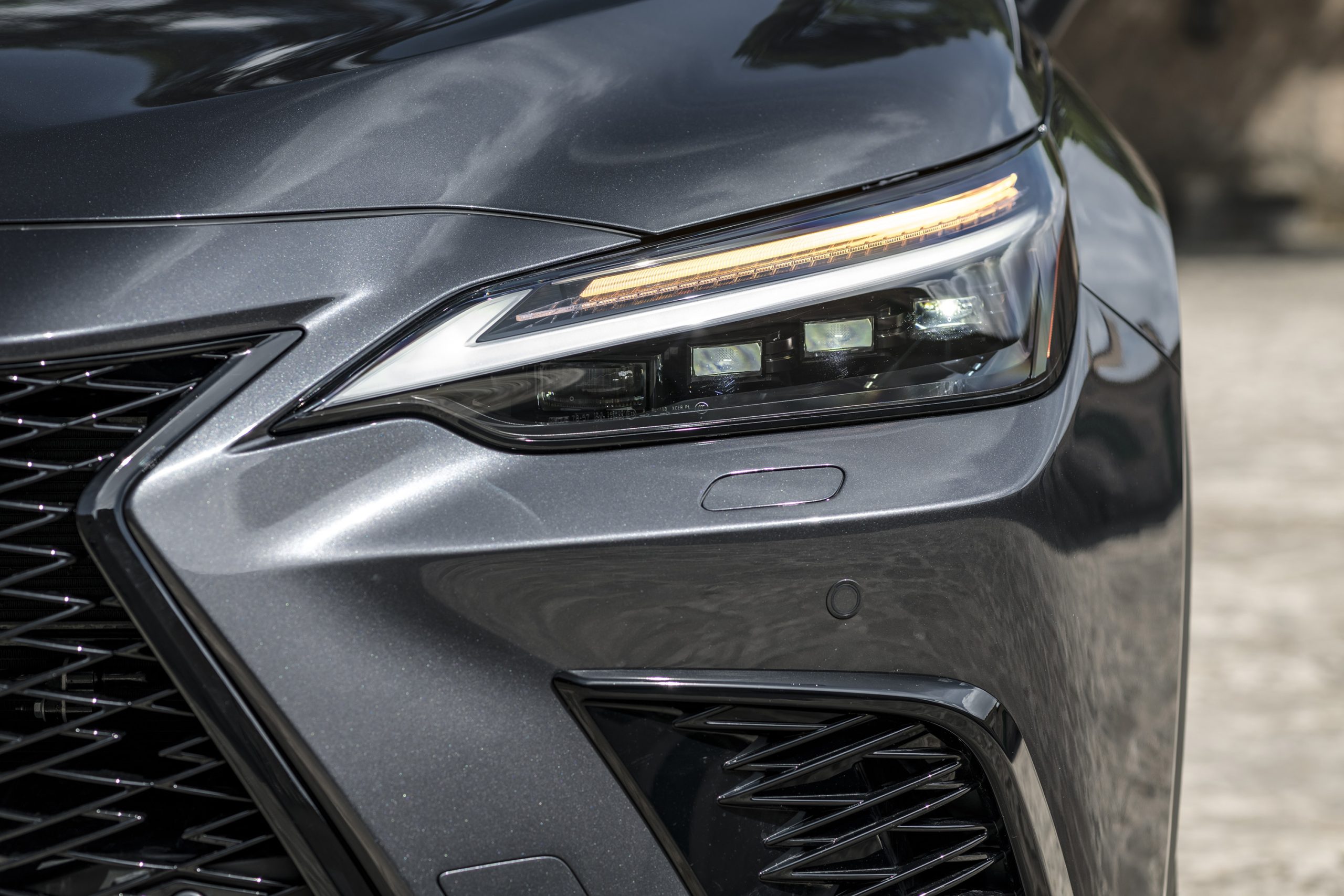
A practical guide to choosing a premium SUV in 2026 without falling for overpriced packs. We analyse which technology is worth paying for and compare the key models in the segment in Spain.
The premium SUV buyer in 2026 faces an uncomfortable paradox: there has never been so much technology available, and it has never been so easy to overpay for features that will hardly ever be used. The configurators for BMW, Mercedes-Benz, Audi, Volvo and Lexus are full of packs with catchy names that inflate the bill by between 6,000 and 15,000 euros without necessarily improving the real driving experience. This guide takes a surgical approach: identifying which technology equipment adds tangible value and which is pure marketing.
What defines a premium SUV with 2026 technology today
The entry barrier to the premium segment is no longer set by the badge, but by the electronic architecture. A current premium SUV integrates software domains managed by central units, not by dozens of scattered ECUs. This enables genuine OTA updates, level 2+ ADAS with sensor fusion (camera, radar and, in some cases, LiDAR), OLED screens with latency below 100 ms, and infotainment systems based on Android Automotive, iDrive 9, MB.OS or similar.
What was a differentiator three years ago—360° camera, head-up display, ventilated seats—is now almost standard. What differentiates in 2026 is the quality of integration: how the car responds when the driver asks for something, not how many menus it offers.
Technology worth paying for
There are four areas where the extra cost is justified:
- Level 2+ ADAS with assisted lane change: the jump over a basic ACC is noticeable on long journeys.
- Colour head-up display with augmented reality: reduces visual fatigue and measurably improves safety.
- 360° camera with 3D view: essential on an SUV over 4.70 metres for urban manoeuvres.
- OTA updates for the central unit: extends the vehicle’s useful life and protects residual value.
Extras that rarely pay off
- Audio systems with more than 20 speakers (marginal gain over the standard premium system).
- 64-colour ambient lighting.
- Panoramic roofs with electrochromic glass.
- Cosmetic personalisation packs (trim, badges, exotic upholstery).
- Air suspension if use is 90% urban and motorway.
BMW X3 — from 62,500 €
The new-generation X3 debuts iDrive 9 on Android Open Source, with a 12.3" + 14.9" curved dual-screen setup. Its Driving Assistant Professional ADAS is a segment benchmark for lane-centring precision. The 20d xDrive mild-hybrid diesel remains the most balanced option for anyone driving more than 20,000 km a year.
| Power kW | Power CV | Top speed | Range | Consumption | Label | Fuel |
|---|---|---|---|---|---|---|
| 145 kW | 197 CV | 215 km/h | 1,050 km | 5.8 l/100 km | ECO | Diesel MHEV |
Mercedes-Benz GLC — from 66,900 €
The GLC 300 e 4MATIC PHEV offers more than 100 km of homologated electric range, which is rare in the segment. MB.OS with an 11.9" vertical screen and optional HUD. The weak point remains the aggressive commercial strategy of the AMG Line Premium Plus packs, which can easily add 12,000 euros in extras.
| Power kW | Power CV | Top speed | Range | Consumption | Label | Fuel |
|---|---|---|---|---|---|---|
| 230 kW | 313 CV | 218 km/h | 105 km electric | 0.5 l/100 km WLTP | CERO | PHEV |
Audi Q5 — from 61,200 €
The new Q5, built on the PPC platform, debuts a 11.9" + 14.5" panoramic MMI and an additional screen for the passenger. The 204 CV TDI with 48V mild-hybrid is the most rational version. Audi is one of the brands that most heavily pushes its packs: the Confort Plus and Tech Pro are almost mandatory to get a decent specification, which pushes the real price above 70,000 €.
| Power kW | Power CV | Top speed | Range | Consumption | Label | Fuel |
|---|---|---|---|---|---|---|
| 150 kW | 204 CV | 222 km/h | 1,100 km | 6.0 l/100 km | ECO | Diesel MHEV |
Volvo XC60 — from 59,800 €
The XC60 remains the most sensible value-for-money proposition in the segment. Native integrated Google, mature Pilot Assist and a clear equipment policy: the Plus Dark trim covers 90% of what a customer needs. The T6 AWD PHEV version exceeds 80 km of electric WLTP range.
| Power kW | Power CV | Top speed | Range | Consumption | Label | Fuel |
|---|---|---|---|---|---|---|
| 257 kW | 350 CV | 180 km/h | 81 km electric | 0.8 l/100 km WLTP | CERO | PHEV |
Lexus NX — from 55,900 €
The NX 450h+ PHEV is the Japanese alternative: proven reliability, Relax warranty up to 10 years and an interface that has improved substantially with Lexus Link. Less technological flash than the Germans, but no reported software problems.
| Power kW | Power CV | Top speed | Range | Consumption | Label | Fuel |
|---|---|---|---|---|---|---|
| 227 kW | 309 CV | 200 km/h | 76 km electric | 1.1 l/100 km WLTP | CERO | PHEV |
Final comparison: scores by criteria
| Model | Technology | ADAS | Value for money | Expected reliability | Overall score |
|---|---|---|---|---|---|
| BMW X3 | 9 | 10 | 7 | 8 | 8.5 |
| Mercedes GLC | 9 | 9 | 6 | 8 | 8.0 |
| Audi Q5 | 9 | 8 | 6 | 7 | 7.5 |
| Volvo XC60 | 8 | 9 | 9 | 8 | 8.5 |
| Lexus NX | 7 | 8 | 8 | 10 | 8.3 |
Optimal configuration: the 80/20 rule
In any of these SUVs, the mid-level trim with two well-chosen packs—advanced assisted driving and seat comfort—covers 80% of the technological value for 60% of the maximum price. Adding anything beyond that is collecting, not a necessity.
Frequently asked questions
Is a premium electric SUV worth it over a PHEV in 2026?
It depends on annual mileage and access to charging. Below 15,000 km/year with home charging, the electric option pays off. Above that, with frequent long trips, the PHEV remains more flexible.
Which premium SUV offers the best value for money in 2026?
The Volvo XC60 and the Lexus NX lead thanks to a clear equipment policy and lower extra costs for options. Both avoid the pack fragmentation typical of German brands.
Are OTA updates reliable on premium SUVs?
They have matured considerably. BMW and Volvo offer the best track record of genuine OTA updates (not just maps), including functional ADAS improvements.
Is a head-up display essential?
It is not essential, but it is one of the options with the best return in safety and comfort. If you choose a pack, this should come before premium audio or ambient lighting.

 Peugeot E-208 GTi: a battery-powered toy that revives the spirit of the 1980s sports cars
 New Lexus ES: luxury grows and goes electric
 First contact with the Dacia Sandero Hybrid 155: power and efficiency from €19,890
Deja un comentario