The best cars for urban use in 2026: affordable and efficient options
 Dani Montesinos
12 March 2026
7 min.
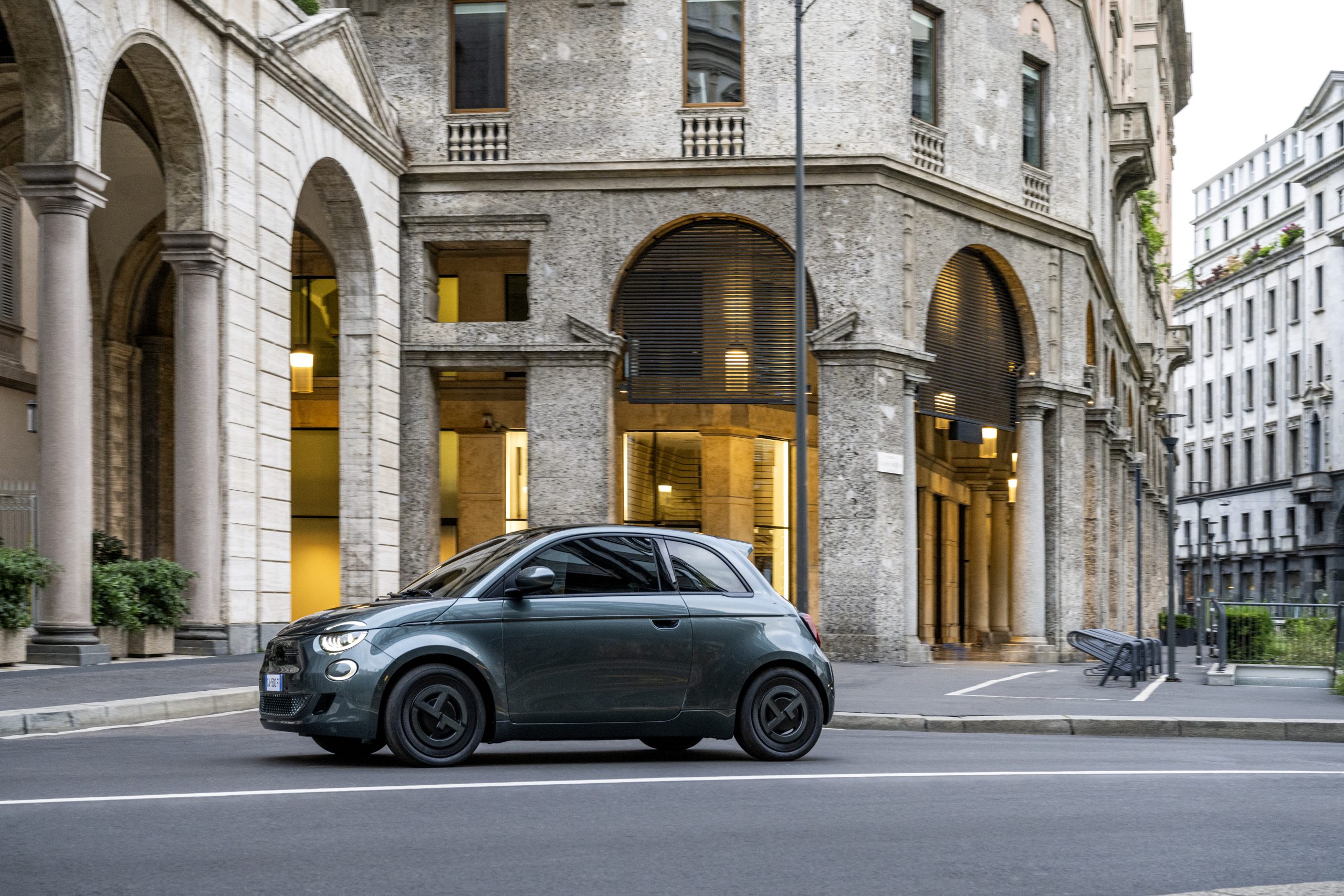
We suggest five cars worth considering if what you’re looking for is to get around the city in an agile, quick and easy way, but also an economical one
In 2026, urban vehicle use is still defined by the need to balance cost, manoeuvrability and emissions. Spanish cities impose environmental rating limits and low-emission zones that shape the choice; that is why it is essential to prioritise compact, efficient models with contained running costs. In these cases, it is essential to pay particular attention to urban range and fast-charging capability, which will determine day-to-day usability. Buyers often hesitate between pure electric and mild hybrid cars because of the charging infrastructure and the type of journeys they make, and that decision defines much of the real-world city experience.
This buying guide is for…
This guide is aimed at drivers who make most of their journeys in urban environments: short trips, daily commutes to work, errands and frequent parking in narrow streets. It is also useful for those who need a second family car used exclusively in the city. It is not the best option if your main use is long intercity journeys or if you regularly need a large load capacity.
Common options within the segment
Within the urban segment, compact electric cars, electric microcars and very small cars with efficient combustion or mild hybrid engines coexist. Each approach involves trade-offs: electric cars reduce running costs and local emissions but depend on charging planning; microcars are cheap to buy but limited in performance and safety; conventional compacts offer greater versatility in exchange for consumption and emissions. Weight and battery configuration influence handling and real-world consumption in urban traffic.
Key criteria for choosing well
Realistic range versus homologated range: assessing the WLTP urban-cycle range and your typical daily distance avoids surprises. Power and charging speed: for urban use moderate power is enough, but flexible fast charging improves usability. Stability and comfort on the road: suspension and noise control make a difference on potholed roads and narrow streets. Genuinely useful technology: navigation that integrates public charging points and connectivity that lets you manage the vehicle from your phone add efficiency. Total cost of purchase and use: include taxes, insurance, maintenance and energy or fuel consumption.
It depends on how you drive
If you drive mainly within the city and make few long trips, a compact electric car or a microcar with limited range is usually sufficient. If you often work outside the urban core, a more versatile engine or a hybrid is advisable. Climate matters: in areas with cold winters range can drop, so an additional margin is advisable. The practical profile also includes the need for space for shopping or child seats: an urban car may be small on the outside but surprisingly usable inside if the design optimises it.
Real price: what you should know
The “from” list price usually corresponds to the basic version without options and without incentives. The difference between financed and cash price can be significant due to interest and conditions, so always compare the total cost paid. Equipment changes the final price: battery packs, driver assistance and technology features raise the list price. Interpreting the “from” price requires checking the equipment content and additional expenses (registration, paperwork, insurance).
Reference models on the market
Fiat 500e (from 25,900 €*)
Small electric car with an urban focus, designed for manoeuvrability in the city and good responsiveness in dense traffic. It suits users who prioritise comfort over short distances and a compact style.
The best
Compact design and agile driving experience in the city; good integration of connectivity systems geared to urban use.
The room for improvement
Entry price higher than some electric microcars; cargo capacity may fall short for users who need more versatility.
Dacia Spring (from 11,490 €*)
Electric proposal aimed at a low price and strictly urban use, with a practical approach and low maintenance costs. Ideal for those seeking accessibility without ambitions for frequent long trips.
The best
Reduced entry cost and economical running; simple to maintain and operational in urban environments with budget constraints.
The room for improvement
Basic materials and equipment; range and performance limited compared with more advanced cars.
Citroën Ami (from 6,990 €*)
Electric microcar of very small dimensions designed for short journeys and easy parking. It suits occasional trips and users with limited parking space.
The best
Extremely economical and very manoeuvrable in the city; ideal for short trips and urban mobility needs.
The room for improvement
Limitations in performance, safety and interior space; not suitable for motorway driving or for drivers who need comfort on long journeys.
Toyota Aygo X (from 15,990 €*)
Small urban crossover with efficient engines and a practical approach. It is an option for users who want versatility in the city without giving up stable behaviour on nearby roads.
The best
Balance between compact size and practical capacity; ergonomics designed for everyday urban use.
The room for improvement
The cost can rise with safety and comfort options; it does not offer the energy efficiency of a pure electric car in intensive urban use.
Hyundai i10 (from 12,250 €*)
Traditional urban car with a good balance between small exterior dimensions and usable interior space, with efficient engines and contained maintenance costs. Suitable for those who prefer conventional solutions and known reliability.
The best
Compact, economical and with a reputation for reliability; good driving feel in the city and easy parking.
The room for improvement
Less efficient in running costs than an electric car on 100% urban routes; the basic version may lack advanced driver assistance.
Purchase incentives
Purchase incentives in 2026: Plan Auto+ and tax benefits.
Main amounts of the 2026 Plan Auto+
– Direct aid of up to 4,500 € for electric cars.
– Up to 5,000 € for light vans in category N1.
– Retroactive effect from 1 January 2026.
– Approximate budget allocation of 400 million euros.
Who can benefit and priority criteria
Beneficiaries: private individuals, self-employed workers and companies. The EEE criterion (Electric, Economical and European) is applied to prioritise incentives. There is a greater incentive for pure battery electric vehicles (BEV) compared with plug-in hybrids (PHEV). Vehicles priced below 35,000 € receive higher aid; those between 35,000 € and 45,000 € qualify for reduced aid. An additional incentive is offered if the final assembly or the batteries come from the European Union.
Additional requirements and tax advantages
Mandatory minimum discount of 1,000 € from the dealer. 15% deduction on personal income tax (IRPF) up to a maximum of 3,000 €. The tax validity of these advantages remains until 31 December 2026.
Management and possible regional aid
Management is coordinated by the Ministry of Industry together with the Autonomous Communities. Additional regional programmes may exist, for example the Plan Cambia 360 in the Community of Madrid. At the time of writing it is not officially confirmed whether these regional aids are compatible with the 2026 Plan Auto+.
Common buying mistakes
Buying without considering real range under typical driving conditions, relying solely on the WLTP figure without adjusting for climate and daily use. Not accounting for the total cost of ownership (taxes, maintenance, insurance and consumption) and focusing only on the purchase price. Choosing the largest battery or equipment without assessing whether you will actually use it. Neglecting charging planning and compatibility with local infrastructure. Underestimating the practical space for passengers and luggage in family situations.
With the above keys in mind, the next reasonable step is to check the updated technical specifications and commercial conditions of each model to see which option best fits your urban travel pattern and your budget.


 Peugeot E-208 GTi: a battery-powered toy that revives the spirit of the 1980s sports cars
 New Lexus ES: luxury grows and goes electric
 First contact with the Dacia Sandero Hybrid 155: power and efficiency from €19,890
Deja un comentario