The Best Electric SUVs for Getting Around the City in 2026
 Dani Montesinos
26 March 2026
7 min.
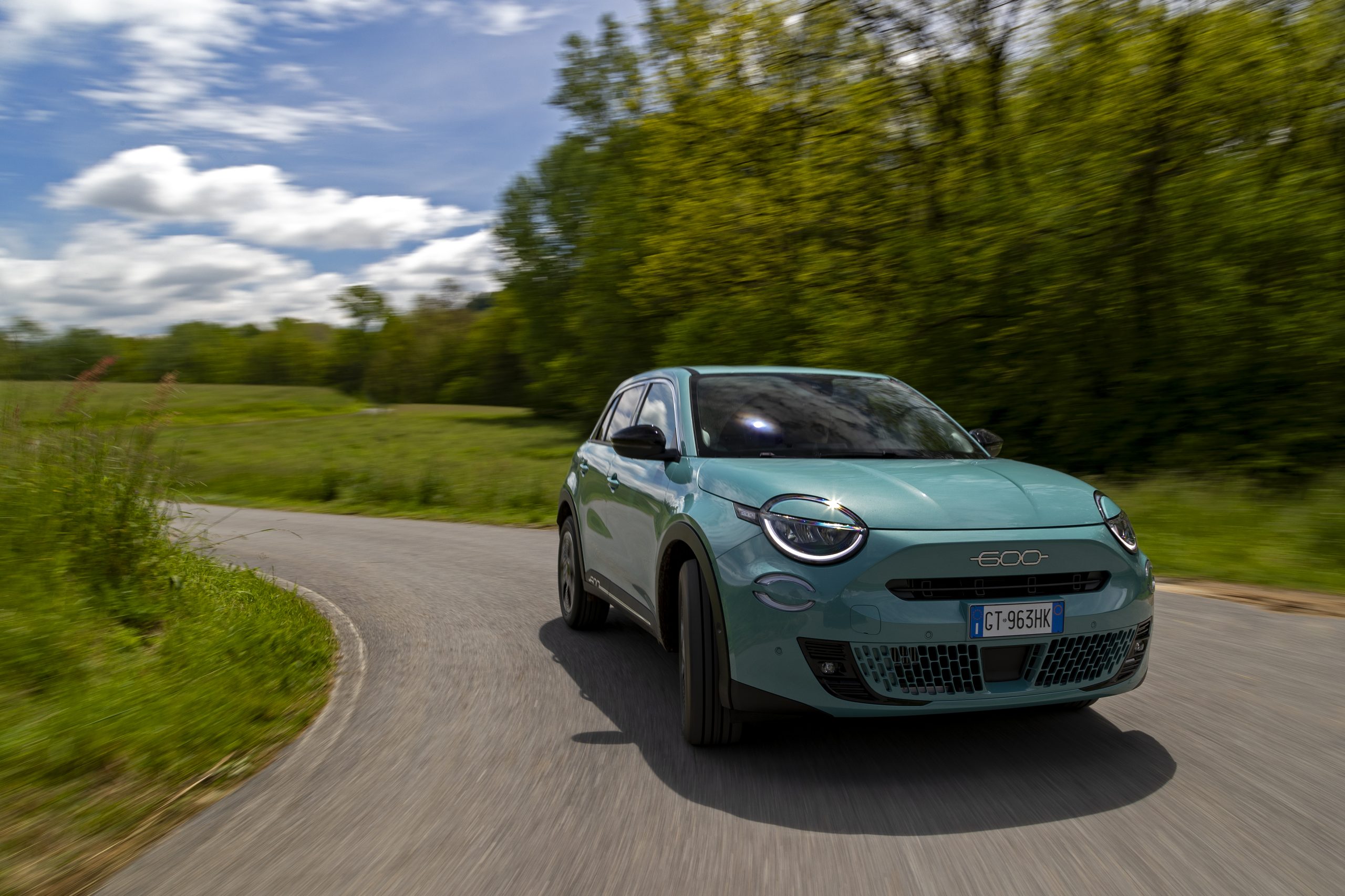
We present a ranking of the five best electric SUVs you can find on the market for getting around the city at a competitive price
The urban electric SUV market in 2026 offers a wide and segmented range: the models target drivers looking for practical compact cars for the city, with enough range for everyday use and capacity for short getaways. The availability of more efficient batteries, more widespread urban chargers and public support policies have shaped a landscape where affordable alternatives coexist with more technologically advanced proposals. Here you will find a selection of compact electric vehicles that represent different answers to the same problem: efficient urban mobility, comfort adapted to the metropolitan environment and technical trade-offs that are open to debate depending on use and budget.
Who is this ranking for?
This ranking is based on market data, official specifications and published road tests.
If you mainly use your car in the city and want to reduce running costs and emissions, this list will help you compare options. It is also useful if you alternate urban journeys with short weekend trips, or if you value a compact vehicle that is easy to charge at a block of flats or a public point.
What details have we analysed?
We have considered market positioning, official technical data such as WLTP range and power, homologated consumption, dimensions and practical capacity for urban use, as well as the price/technical proposition ratio that defines value for money and the expected real-world use in the city.
Ranking of the best urban electric SUVs of 2026
Fiat 600e (from €30,077*)
Indicative price without applying public grants or the brand’s commercial discounts.
Why it is here: A compact proposal aimed at the city with a small crossover body; its battery and chassis configuration prioritises efficiency and ease of use in urban environments, along with a competitive price positioning.
Ideal for: Users looking for a cheap-to-run compact crossover that is easy to manoeuvre in the city.
Pros:
- Compact dimensions for parking.
- Electric configuration designed for urban use.
- Competitive entry price.
Cons:
- Range and charging designed for short journeys.
- Limited interior space compared with larger rivals.
Peugeot e-2008 (from €33,260*)
Indicative price without applying public grants or the brand’s commercial discounts.
Why it is here: The e-2008 replaces the small-car concept with a proposal that strikes a good balance between WLTP range and interior space, aimed at those who need a compact SUV with reasonable ergonomics and cargo volume.
Ideal for: Small families who combine city driving with peri-urban trips.
Pros:
- Good balance between range and size.
- Good behaviour in urban driving.
- Equipment offer suited to the segment.
Cons:
- Slightly higher cost than more basic compacts.
- Some versions raise the price without a significant increase in range.
Opel Mokka-e (from €32,500*)
Indicative price without applying public grants or the brand’s commercial discounts.
Why it is here: Bold design and an urban focus, with good traffic dynamics and suspensions tuned for city comfort; suitable for those looking for image and practicality in their daily life.
Ideal for: Drivers who prioritise comfort and urban presence.
Pros:
- Platform designed for compact electric cars.
- Ride comfort in the city.
- Balanced market positioning.
Cons:
- Higher base price than direct rivals.
- Limited range in basic versions.
Hyundai Kona Electric (from €25,790*)
Indicative price without applying public grants or the brand’s commercial discounts.
Why it is here: Historically a reference in the segment for combining competitive range with a compact size; its offer remains relevant for those who value real-world kilometres between charges and an ownership experience suited to the city and intercity journeys.
Ideal for: Those who make long daily commutes and need greater range.
Pros:
- Superior range in long-range versions.
- Good ergonomics and technological equipment.
- Efficient power/consumption ratio.
Cons:
- Price of versions with larger batteries.
- Limited rear space compared with taller rivals.
Volvo EX30 (from €35,800*)
Indicative price without applying public grants or the brand’s commercial discounts.
Why it is here: The most compact alternative within Volvo’s range, focused on safety and an advanced technology package; it takes on a premium positioning within the urban segment.
Ideal for: Buyers who prioritise safety and technology in an urban format.
Pros:
- Advanced safety levels and driver assistance systems.
- Interior finish designed for ergonomics.
- Good response in the city.
Cons:
- Higher entry price.
- Maintenance costs higher than those of mainstream brands.
The prices shown in this ranking are indicative and do not apply public grants or the brand’s commercial discounts.
Technical comparison
| Model | Range | Power | Consumption | Top speed | Price (€*) |
|---|---|---|---|---|---|
| Fiat 600e | 406 km WLTP | 115 kW | 15.3 kWh/100km | 150 km/h | €30,077* |
| Peugeot e-2008 | 406 km WLTP | 115 kW | 15.3 kWh/100km | 150 km/h | €33,260* |
| Opel Mokka-e | 402 km WLTP | 115 kW | 15.4 kWh/100km | 156 km/h | €32,500* |
| Hyundai Kona Electric | 380 km WLTP | 99 kW | ND | 162 km/h | €25,790* |
| Volvo EX30 | 335 km WLTP | 200 kW | 17.2 kWh/100 km | 180 km/h | €35,800* |
These figures are official and taken from the brands’ official websites.
Purchase grants in 2026: Plan Auto+ and tax benefits
The 2026 Plan Auto+ replaces the previous MOVES programmes and establishes a new system of direct grants for the purchase of electrified vehicles in Spain. The initiative seeks to accelerate fleet renewal with incentives for electric vehicles and to encourage local industrialisation.
Main amounts of the 2026 Plan Auto+
– Direct grants of up to €4,500 for electric passenger cars.
– Up to €5,000 for light vans in category N1.
– Retroactive effect from 1 January 2026.
– Approximate budget allocation of €400 million.
Who can benefit and priority criteria
Beneficiaries: individuals, self-employed workers and companies. The EEE criterion (Electric, Economic and European) applies, favouring pure electric vehicles over PHEVs. Vehicles priced below €35,000 receive a larger grant; between €35,000 and €45,000 the grant is reduced. Additional incentives exist if the final assembly or the batteries come from the EU.
Additional requirements and tax advantages
A mandatory minimum discount of €1,000 from the dealer is required. There is a 15% income tax deduction (IRPF) up to €3,000, and the tax measure is planned to remain in force until 31 December 2026.
Management and possible regional grants
Management is coordinated by the Ministry of Industry together with the Autonomous Communities, and there may be additional regional programmes. One example is the Plan Cambia 360 in the Community of Madrid. At the time of writing, it is not officially confirmed whether regional grants are fully compatible with the Plan Auto+.
FAQ · The 5 questions everyone asks
What range do I need for an urban electric SUV?
For mainly urban use, a WLTP range of 300–400 km is usually sufficient; it allows several days without recharging and covers short getaways. The key is to assess your actual travel pattern.
How much does battery size affect cost and daily use?
A larger battery increases price and weight but reduces range anxiety; in the city, smaller batteries can be more efficient and economical if you have frequent access to charging.
Is it worth buying an electric SUV rather than a combustion one in the city?
It depends on your use and the grants available. In areas with accessible charging and short journeys, lower energy and maintenance costs shorten the payback period.
What should I check in the equipment before buying?
Check the version’s real WLTP range, fast-charging capability, battery warranty, safety equipment and optional extra costs. The entry price is not everything when it comes to value for money.
How does charger availability affect the choice of model?
If you do not have a private charger, prioritise models with good efficiency and fast urban charging; the ease of access to public points will greatly affect the daily driving experience.
Expert conclusion
This ranking reflects the most representative alternatives in the urban segment in 2026, where affordable options coexist with more technological proposals. For a buyer, this means there are solutions adapted to different routines: from the most economical vehicle for strictly urban journeys to models with greater range for mixed use.
If you want to get the most for your money, first look at the real entry price and what comes as standard. If you prefer to play it safe, prioritise models with a stronger market presence: they tend to be easier to sell later. And if you do many kilometres, energy cost and efficiency matter more than the power figure. If you won’t charge often, don’t buy from the brochure: buy for your routine.


 Peugeot E-208 GTi: a battery-powered toy that revives the spirit of the 1980s sports cars
 New Lexus ES: luxury grows and goes electric
 First contact with the Dacia Sandero Hybrid 155: power and efficiency from €19,890
Deja un comentario