The best premium urban electric SUVs for 2026
 Dani Montesinos
6 April 2026
8 min.
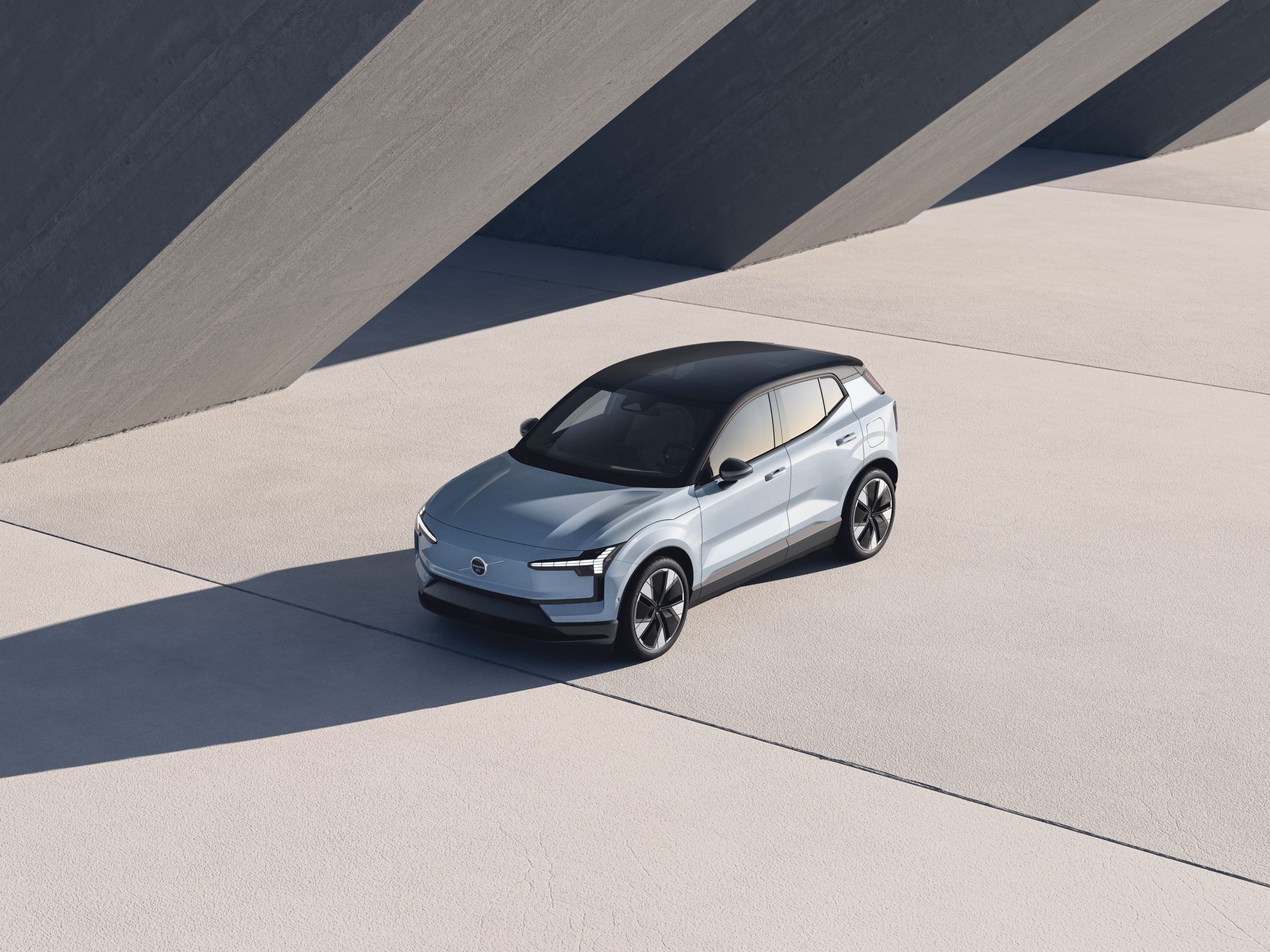
Ranking of fully electric SUVs well suited to city driving and falling within the premium segment
The urban electric market in 2026 has consolidated an offer in which the balance between compact size and advanced performance defines the purchase. Premium brands have bet on compact platforms with efficient batteries, next-generation driver assistance systems and more refined finishes than in earlier generations. Here you will find a representative selection of compact electric models aimed at urban and peri-urban use, with clear differences in price, technical approach and charging options, allowing readers to compare choices according to their priorities in equipment, real-world range and running costs.
Who is this ranking for?
This ranking is based on market data, official specifications and published road tests.
If you make many short urban trips, if you are looking for a vehicle with small dimensions that is easy to park, or if you prioritise energy efficiency on daily journeys, this list will help you decide. It is also useful for those who value the finishes and driver aids typical of the premium segment without giving up the format of a compact SUV.
What details have we analysed?
We have considered market positioning and price, dimensions and urban suitability, official technical data (WLTP range and power where available), homologated consumption figures, expected real-world use in the city, and the price/technical value of each entry-level version.
Ranking of the best urban electric SUVs for 2026
Volvo EX30 (from €35,800*)
Indicative price without applying public aid or the brand’s commercial discounts.
Why it is here: The EX30 interprets the premium urban SUV with a focus on safety, advanced electronics and efficiency solutions in a small body. Its approach is based on offering top-level equipment in a compact package, with battery options designed for daily use.
Ideal for: Drivers who value safety systems and a well-resolved interior for frequent urban journeys.
Pros:
- Focus on active and passive safety.
- Very compact format for the city.
- Advanced equipment options in the entry range.
Cons:
- Limited boot capacity compared with larger SUVs.
- The price of some versions can rise quickly with options.
BMW iX1 (from €49,800*)
Indicative price without applying public aid or the brand’s commercial discounts.
Why it is here: The iX1 brings the driving experience of BMW to the urban segment, with the power delivery and dynamics typical of the brand and a premium approach to ergonomics. It is presented as an alternative for those seeking driving sensations in a compact electric body.
Ideal for: Drivers who prioritise dynamics and throttle response in mixed urban and short motorway use.
Pros:
- Driver-focused dynamics.
- Interior finishes consistent with the brand.
- Wide range of assistance systems and connectivity.
Cons:
- Entry price higher than mainstream options.
- Rear space somewhat tight for adults on long journeys.
Audi Q4 e-tron (from €44,000*)
Indicative price without applying public aid or the brand’s commercial discounts.
Why it is here: The Q4 e-tron combines the stance of a compact SUV with a technological interface and material quality typical of Audi. Its range includes configurations that balance range and comfort, useful in urban settings with occasional intercity trips.
Ideal for: Users looking for a well-finished interior and technological experience in a reduced size.
Pros:
- Build quality and finishes.
- Good integration of infotainment technologies.
- Variety of battery and power configurations.
Cons:
- Weight and size slightly greater than some urban rivals.
- Options that quickly raise the final price.
Mercedes EQA (from €56,450*)
Indicative price without applying public aid or the brand’s commercial discounts.
Why it is here: The EQA is the interpretation of Mercedes of the premium urban SUV, with emphasis on comfort, refined ride quality and driver assistance systems. It stands out for a comfortable approach and a calm driving experience in urban environments.
Ideal for: Those who prioritise comfort and assistance systems on daily journeys in the city and suburbs.
Pros:
- Ride and sound insulation geared towards comfort.
- Well-developed safety and driver assistance systems.
- Established premium brand image.
Cons:
- High entry price compared with some compacts.
- Technical options that make the vehicle more expensive.
Genesis GV60 (from €52,000*)
Indicative price without applying public aid or the brand’s commercial discounts.
Why it is here: The GV60 offers a premium approach with distinctive design, a good equipment-to-price ratio and an ambitious technological proposition. Although it exceeds the purest urban models in size, its approach makes it valid for those seeking luxury finishes in a compact format.
Ideal for: Buyers who value design and premium equipment without moving up to large SUVs.
Pros:
- Generous standard equipment.
- Distinctive exterior and interior design.
- Good equipment-to-price ratio in its segment.
Cons:
- Size and approach closer to a larger compact than a pure urban model.
- Service and parts network less extensive than traditional brands in Europe.
The prices shown in this ranking are indicative and do not apply public aid or the brand’s commercial discounts.
Technical comparison
| Model | Range | Power | Consumption | Top speed | Price (€*) |
|---|---|---|---|---|---|
| Volvo EX30 | up to 475 km | 272-428 CV | around 17.2 kWh/100 km | 180 km/h | from €35,800* |
| BMW iX1 | up to 516 km WLTP | 204–313 CV | around 17.2 kWh/100 km | 180 km/h | from €49,800* |
| Audi Q4 e-tron | up to 562 km | 286-340 CV | around 16.6 kWh/100 km | 180 km/h | from €44,000* |
| Mercedes EQA | up to 558 km | 190-292 CV | around 16.9 kWh/100 km | 160 km/h | from €56,450* |
| Genesis GV60 | up to 517 km WLTP | around 490 CV | 16.5 kWh/100 km | ND | from €52,000* |
These data are official and taken from the brands’ official websites.
Purchase aid in 2026: Plan Auto+ and tax benefits
The Plan Auto+ 2026 replaces the previous MOVES programmes and establishes a new system of direct aid for the purchase of electrified vehicles in Spain. The programme centralises incentives aimed at boosting fleet renewal and favours vehicles with a greater electric component.
Main amounts of Plan Auto+ 2026
– Direct aid of up to €4,500 for electric passenger cars.
– Up to €5,000 for light vans in category N1.
– Retroactive effect from 1 January 2026.
– Approximate budget allocation of €400 million.
Who can benefit and priority criteria
Beneficiaries: private individuals, self-employed workers and companies. The EEE criterion (Electric, Economical and European) is applied, with greater incentives for pure electric vehicles compared with plug-in hybrids. Vehicles priced below €35,000 receive higher aid; between €35,000 and €45,000 they qualify for reduced aid. There is an additional incentive if the final assembly or the batteries are of European Union origin.
Additional requirements and tax advantages
A mandatory minimum discount of €1,000 from the dealer is required. In addition, a 15% deduction in personal income tax (IRPF) is provided, up to a maximum of €3,000. The tax validity of these advantages is maintained until 31 December 2026.
Management and possible regional aid
Management is coordinated by the Ministry of Industry together with the Autonomous Communities. Additional regional programmes may exist. Example: Plan Cambia 360 in the Community of Madrid. At the time of writing, it is not officially confirmed whether these regional aids are compatible with Plan Auto+ 2026.
FAQ · The 5 questions everyone asks
Which of these urban SUVs is the most efficient in the city?
Real efficiency depends on the battery version and driving style. Models with batteries optimised for urban use and energy recovery systems tend to show lower consumption in urban driving than more powerful versions.
What costs should I consider besides the purchase price?
Consider the installation of a charging point, domestic electricity, insurance, maintenance and possible loss of value. Public aid and discounts can reduce the initial cost, but efficiency and energy costs determine operating expenses.
Is it better to choose an urban SUV with more range or with better equipment?
It depends on use: for frequent trips, prioritise range and efficiency; if use is mainly urban and you seek comfort, prioritise equipment and assistance systems. The relationship between both variables defines value for money.
Do I need a home charger to make the most of an urban electric SUV?
It is not essential, but it makes daily operation easier and reduces dependence on public points. If you charge occasionally, consider your charging routines and the availability of infrastructure in your area.
Do premium models depreciate faster in this segment?
Depreciation depends on demand, brand and battery technology. Models with high demand usually hold their value better, while rapid technological change can affect less-sold models.
Expert’s conclusion
This ranking shows that in 2026 the urban electric SUV segment offers alternatives for different profiles: from compact models focused on safety and premium design to proposals with greater technological equipment. For the buyer, this means there is room to choose according to priorities between size, comfort and running costs.
If you want to get the most out of your money, first look at the real entry price and what comes as standard. If you prefer to play it safe, consider market traction: a model with strong demand is usually easier to resell later. And if you do many kilometres, energy cost and efficiency matter more than the power figure. If you will not charge often, do not buy from the catalogue: buy according to your routine.


 Peugeot E-208 GTi: a battery-powered toy that revives the spirit of the 1980s sports cars
 New Lexus ES: luxury grows and goes electric
 First contact with the Dacia Sandero Hybrid 155: power and efficiency from €19,890
Deja un comentario