The EU postpones the Euro 7 emissions standard until 2030
 Óscar Sanz
8 March 2024
3 min.
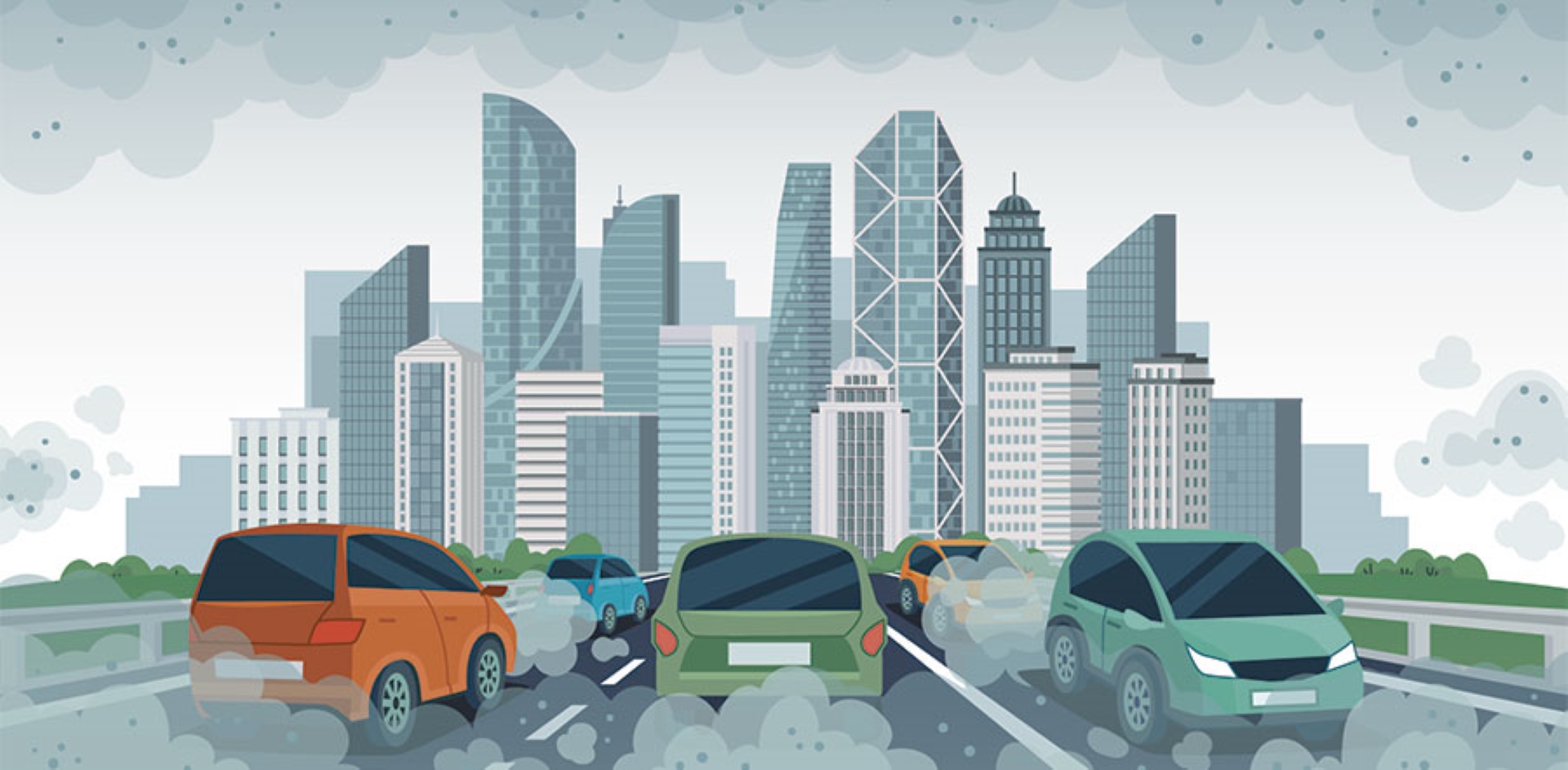
To give manufacturers some breathing room and allow them to progress in new technologies that deliver zero emissions in mobility, the EU is postponing the very strict Euro 7 regulation by five years
The postponement of the Euro 7 pollutant emissions standard has been made official, and it will provide relief for many people who will still be able to keep using their vehicle. Thanks to a decision by the European Parliament, the entry into force of the long-awaited standard has been pushed back five years to 2030. This delay means that current emission limits for passenger cars will remain unchanged until that date, clearing the regulatory horizon for manufacturers and consumers.
Of course, having to adapt petrol engines to stricter rules, along with the constant pressure to switch to electric cars that society is facing, are obstacles that make the industry progress slowly, step by step.
Euro 7 represents a compromise between the interests of the automotive industry and environmental concerns. While it offers financial relief to manufacturers, it also raises questions about the pace and determination needed to tackle the environmental challenges our society faces in order to build a cleaner and more sustainable future.
2025 for passenger cars and 2027 for trucks
The previous limits required passenger cars and trucks to phase out their combustion versions by 2025 and 2027, respectively, but their deadlines have also been extended by this decision. Specifically, the Euro 6 standard will remain in force until 1 July 2030 for passenger cars and light commercial vehicles, and until 1 July 2031 for buses and trucks. The initial proposal by the European Commission, presented in 2022, had set earlier implementation dates, which also included stricter emission limits for both passenger and freight vehicles.
A significant change from the original agreement has been the removal of additional real-world emissions testing for new models. This omission is due to manufacturers’ concern about the potential cost increases it would entail, which could translate into a significant rise in the final price of vehicles. According to some estimates, this could lead to an increase of up to 5,000 euros in popular models such as the VW Polo.
Some breathing room to keep investing
In response to this postponement, car manufacturers have expressed relief, stressing that meeting Euro 7 standards at present would be financially challenging and could hinder their efforts to achieve zero emissions in the future. They argue that this would require cutting crucial investments in electric vehicle development, putting the transition to more sustainable mobility at risk.
However, despite this relief from the automotive industry, numerous organisations and environmental groups continue to press for a faster and more rigorous implementation of the Euro 7 standard. For them, protecting public health and reducing pollution are unavoidable priorities that require concrete and decisive action.


 Peugeot E-208 GTi: a battery-powered toy that revives the spirit of the 1980s sports cars
 New Lexus ES: luxury grows and goes electric
 First contact with the Dacia Sandero Hybrid 155: power and efficiency from €19,890
Deja un comentario