The most outstanding premium urban electric SUVs of 2026
 Iván Navarro
9 April 2026
8 min.
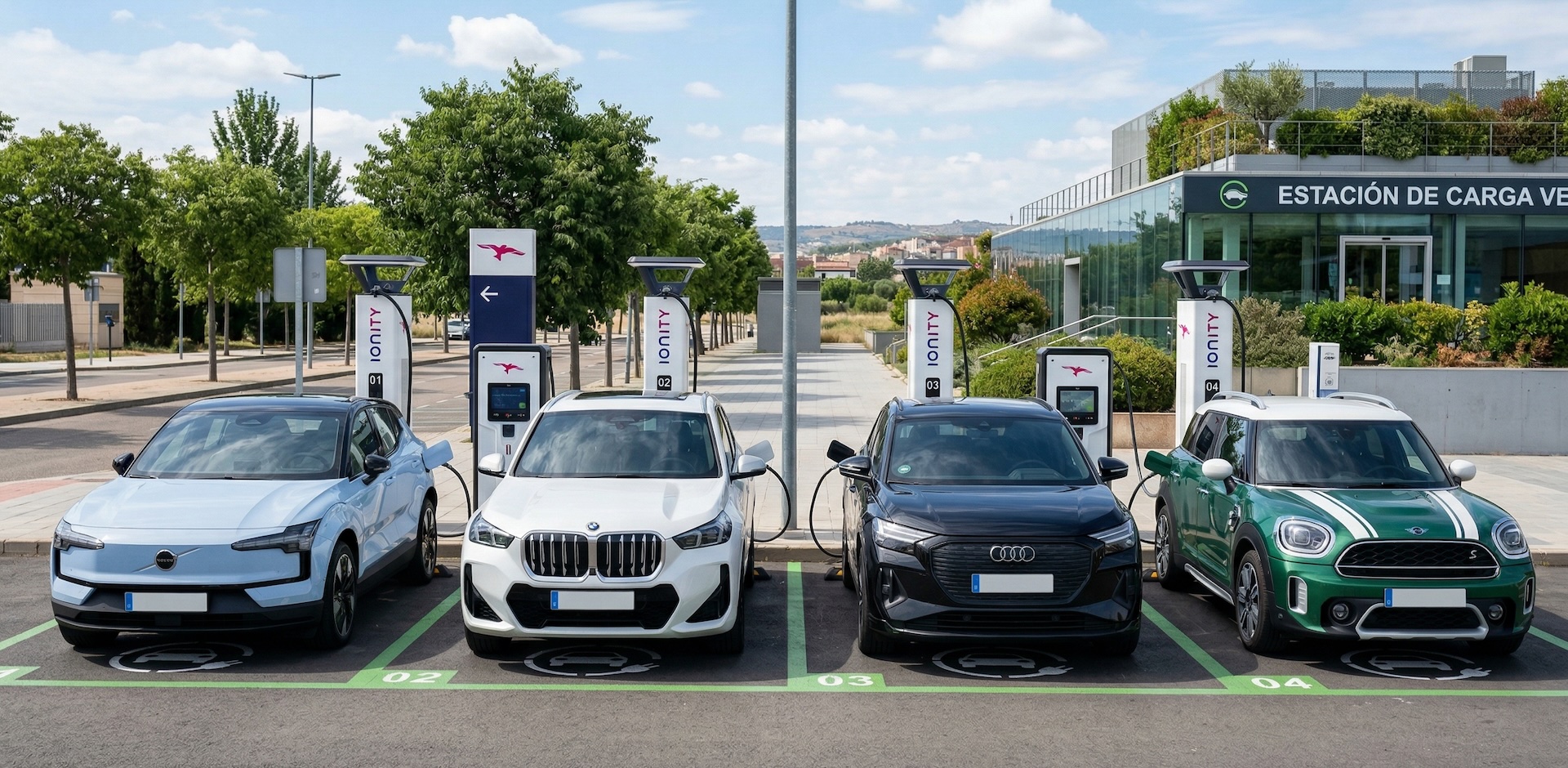
The electric mobility revolution is redefining the compact SUV segment. The following options show that sustainability is no longer at odds with luxury or performance.
In 2026 the offer of urban electric SUVs has consolidated around compact models that prioritise efficiency, interior space and high-segment finishes without losing agility in the city. The competition combines platforms designed specifically for electric vehicles, batteries with advanced thermal management and driver-assistance systems that until recently were only found in higher segments. Here you will find a selection of premium proposals suited to urban use and peri-urban journeys, with clear differences in range, technical approach and price that shape the choice according to your real mobility needs.
Who is this ranking for?
This ranking is based on market data, official specifications and published road tests. It offers a comparative view of urban electric models aimed at a buyer who values the finishes and technology typical of the premium segment, but needs clarity on real-world range, everyday ergonomics and entry cost.
If you mostly drive in the city with moderate daily trips, if you value equipment and safety above the lowest price, or if you are looking for a premium car that does not penalise your daily mobility, this selection lets you compare options and choose according to range, size and initial cost.
What details have we analysed?
We have taken into account market positioning, official technical specifications (battery and power), WLTP range, homologated consumption, useful dimensions for urban use and the price-to-technical-approach ratio. Daily usability, charging systems and the safety and connectivity equipment available as standard or as options have also been considered.
Ranking of the best urban electric SUVs of 2026
Volvo EX30 (from €36,900*)
Indicative price without applying public aid or the brand’s commercial discounts.
Why it is here: A lightweight platform with a focus on efficiency and safety makes the EX30 a clear option for premium urban mobility. Its compact size maximises interior space and practicality in the city, with advanced assistance packages.
Ideal for: Users who prioritise active safety and higher-segment finishes in a very manoeuvrable car for urban environments.
Pros:
- Platform designed specifically for electric vehicles with efficient thermal management.
- High-level safety and driver-assistance equipment.
- Compact size with good interior space.
Cons:
- Limited modular cargo capacity compared with larger SUVs.
- Some versions can become more expensive with equipment options.
BMW iX1 (from €48,900*)
Indicative price without applying public aid or the brand’s commercial discounts.
Why it is here: The iX1 brings technologies from the BMW range to the compact segment: a good combination of dynamism, efficiency and ergonomics. It offers drivetrains geared towards a balance between performance and consumption.
Ideal for: Drivers looking for agile handling, brand reputation and a balance between comfort and performance in urban environments and on trips outside the city.
Pros:
- Dynamic behaviour typical of BMW.
- Good integration of connectivity systems and assistants.
- Wide range of versions depending on power and range.
Cons:
- High entry price compared with generalist compacts.
- Options and packages easily increase the final cost.
Audi Q4 e-tron (from €46,900*)
Indicative price without applying public aid or the brand’s commercial discounts.
Why it is here: The Q4 e-tron offers a balance between premium presence, comfort and battery variants that make it versatile for urban use and short trips. Design and interior finish at the level of the higher segment.
Ideal for: Those looking for a compact SUV with practical solutions and good insulation in the city and on the road.
Pros:
- Wide range of versions and finishes.
- Well-resolved interior and solid infotainment technology.
- Efficient regeneration in urban use.
Cons:
- Weight that can penalise consumption in certain versions.
- High cost of options for a fully equipped car.
Mercedes EQA (from €49,900*)
Indicative price without applying public aid or the brand’s commercial discounts.
Why it is here: The proposal of Mercedes prioritises comfort, perceived quality and driver-assistance systems. A good premium option for those who value acoustic comfort and suspension tuning in the city.
Ideal for: Drivers looking for refined ride quality and a technology package with ergonomics for daily use.
Pros:
- Material quality and interior fit closely tied to the brand.
- Very complete comfort and assistance systems.
Cons:
- Entry price and options that raise the total cost.
- Consumption varies with versions and driving style.
MINI Countryman Electric (from €42,500*)
Indicative price without applying public aid or the brand’s commercial discounts.
Why it is here: MINI brings personality and an urban focus with an electric version of the Countryman that combines recognisable design and practical everyday solutions, while keeping agile handling.
Ideal for: Users looking for a compact SUV with distinctive design and agile behaviour in the city.
Pros:
- Distinctive design and urban positioning.
- Good manoeuvrability in narrow spaces.
Cons:
- More limited cargo space than other rivals.
- Options increase the price quickly.
The prices shown in this ranking are indicative and do not apply public aid or the brand’s commercial discounts.
Technical comparison
| Model | Range | Power | Consumption | Top speed | Price (€*) |
|---|---|---|---|---|---|
| Volvo EX30 | WLTP: 440 km | Up to 300 kW | ND | 180 km/h | €36,900* |
| BMW iX1 | WLTP: 438 km | Up to 230 kW | ND | 180 km/h | €48,900* |
| Audi Q4 e-tron | WLTP: 520 km | Up to 220 kW | ND | 180 km/h | €46,900* |
| Mercedes EQA | WLTP: 440 km | Up to 200 kW | ND | 160 km/h | €49,900* |
| MINI Countryman Electric | WLTP: 420 km | Up to 200 kW | ND | 170 km/h | €42,500* |
These data are official and taken from the brands’ official websites.
Purchase aid in 2026: Plan Auto+ and tax benefits
The Plan Auto+ 2026 replaces the previous MOVES programmes and establishes a new system of direct aid for the purchase of electrified vehicles in Spain. It is designed to accelerate fleet renewal and prioritise vehicles with a greater electric component and EU industrial origin.
Main amounts of the Plan Auto+ 2026
– Direct aid of up to €4,500 for electric passenger cars.
– Up to €5,000 for light vans in category N1.
– Retroactive from 1 January 2026.
– Approximate budget allocation of 400 million euros.
Who can benefit and priority criteria
Beneficiaries: private individuals, self-employed workers and companies. The EEE criterion (Electric, Economic and European) applies, and there is a greater incentive for BEVs than for PHEVs. Vehicles priced below €35,000 receive higher aid; between €35,000 and €45,000 they access reduced aid. An additional incentive is granted if the final assembly or the batteries are of EU origin.
Additional requirements and tax advantages
A mandatory minimum discount of €1,000 from the dealer is required. There is a 15% deduction in personal income tax up to a maximum of €3,000. The tax validity of these measures extends until 31 December 2026.
Management and possible regional aid
Management is coordinated by the Ministry of Industry together with the Autonomous Communities. Additional regional programmes may exist. Example: Plan Cambia 360 in the Community of Madrid. At the time of writing, it is not officially confirmed whether these regional aids are compatible with the Plan Auto+ 2026.
FAQ · The 5 questions everyone asks
What real range can I expect in the city?
In urban use the WLTP range usually improves compared with mixed routes thanks to greater regeneration and low average speed, but it depends on air conditioning and driving style. Allow a margin of 10–20% according to real conditions.
Which model is easiest to charge in urban environments?
Compacts with smaller-capacity batteries tend to charge faster at public medium-power points and allow faster everyday charging cycles; access to chargers in a communal garage or at work also simplifies routine charging.
Does boot size matter much in urban use?
For most urban users the boot of a compact SUV is sufficient; if you regularly carry bulky items, check practical dimensions and the space under the loading floor before deciding.
Is it worth paying more for higher-power versions?
If your use is urban and you are not looking for sporty performance, the entry version usually offers a better efficiency/price ratio. The extra power makes sense if you often make motorway trips or need greater towing capacity.
How does demand affect future resale?
A model with high demand usually holds its value better and is easier to sell later, so popularity is a prudent indicator to consider alongside the total cost of ownership.
Expert’s Conclusion
This ranking shows that in 2026 the offer of premium urban electric SUVs covers a spectrum from very compact, efficiency-focused proposals to options with greater presence and comfort. For the buyer it means having alternatives that balance entry price, technology and usability; what matters is identifying whether you need extended range or prioritise ergonomics and finishes in the city.
If you want to stretch your money, first look at the real entry price and what comes as standard. If you prefer to play it safe, prioritise models with higher demand, as they are usually easier to sell later. And if you do many kilometres, energy cost and efficiency matter more than the power figure. If you are not going to charge often, do not buy from the catalogue: buy according to your routine.


 Peugeot E-208 GTi: a battery-powered toy that revives the spirit of the 1980s sports cars
 New Lexus ES: luxury grows and goes electric
 First contact with the Dacia Sandero Hybrid 155: power and efficiency from €19,890
Deja un comentario