The PSA Group distances itself from accusations of fraudulent strategies
 Victor Alós Yus @sepelaci
9 September 2017
2 min.
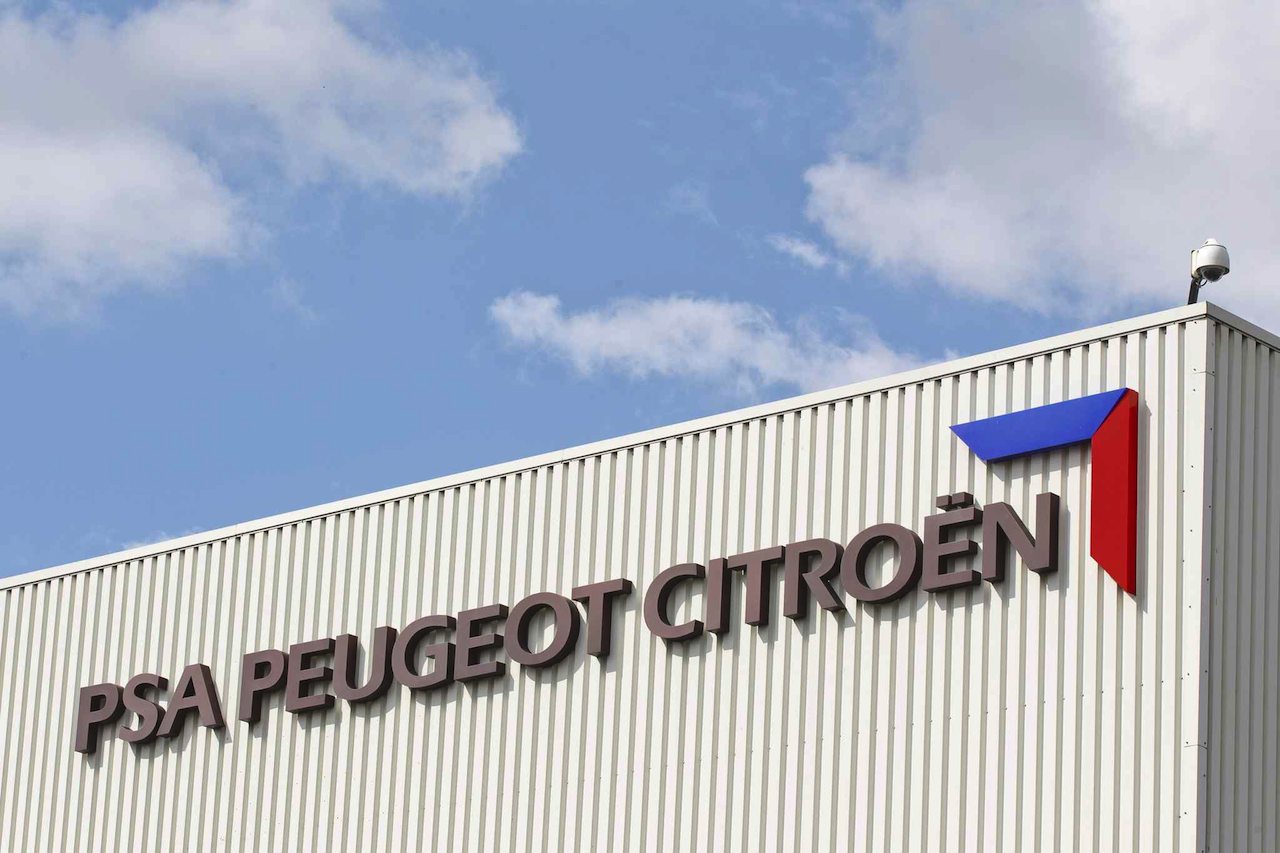
The PSA Group completely denies accusations of carrying out fraudulent strategies to conceal and falsify NOx emissions in its Euro 5 engines
The diesel-gate scandal is still making waves, and other manufacturers have also been named as responsible for changing the software that measures polluting gases in order to improve their market position. The PSA Group has also been accused of doing so, according to reports in the French media. Apparently, the Directorate-General for Competition, Consumer Affairs and Fraud Control (DGCCRF) is investigating the possibility that the company sold several models with diesel engines fitted with a fraudulent NOx measurement system.
According to the published information, the PSA Group sold around 1.94 million vehicles of the Citroën and Peugeot brands from the Euro 5 generation, that is, between 2009 and 2015. The accusations claim that, thanks to this fraudulent strategy, the group could have obtained a turnover of 33,860 million euros. If this is confirmed, the French company could face a fine of 5,000 million euros, a figure that represents 10% of the turnover of the company during the years 2013, 2014 and 2015.
For its part, the PSA Group has issued a statement in which it denies any kind of fraudulent manipulation of the diesel engines of the brand. Apparently, PSA executives insist that they have never had access to the DGCCRF report, so they have not been able to present any argument against these accusations.
It also states that there are no grounds to believe that there is any fraudulent activity in its strategies and that its approach has always been based on the use of technology focused on reducing emissions and improving the efficiency of its engines. The company is concerned about the effect this information may have on the reputation of the company and on its 201,000 employees worldwide.
In the statement, it wished to point out that it has never used, in any of the markets in which it operates, any camouflage system that conceals the real emissions of the cars it sells. In addition, it asserts that it is the only company that has designed a transparency system to make CO2 emissions public, and that this will be extended to NOx before the end of 2017. This information is available on the websites of the group’s various brands.
How will this issue end, one that seems to be in the sights of the authorities?


 The seven finalists for the 2027 European Car of the Year (COTY) are exclusively electric
 Peugeot E-208 GTi: a battery-powered toy that revives the spirit of the 1980s sports cars
 New Lexus ES: luxury grows and goes electric
Deja un comentario