The renting formula is winning over more and more customers: 20.93% growth in 2017
 Guillermo Lopez
8 January 2018
3 min.
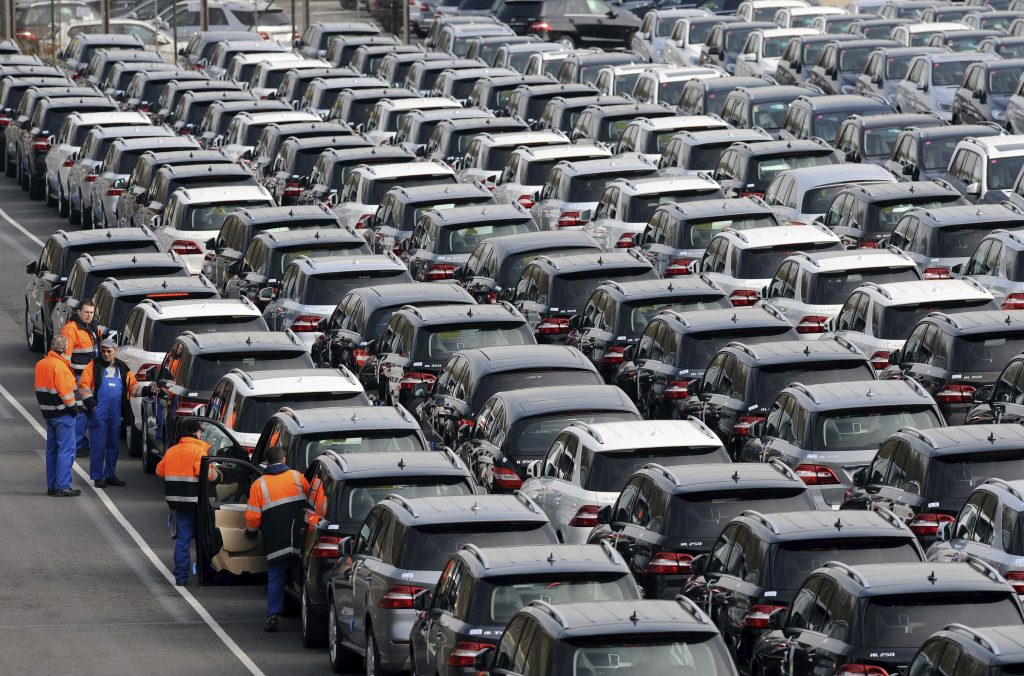
Vehicle acquisition through renting grew by more than 20 percent in 2017 in the Spanish market, with 248,602 units registered.
Given the strength it has been showing in recent times, the Spanish renting sector has practically recovered after the severe setbacks suffered during the crisis. The Spanish Association of Vehicle Renting (AER) has released the figures for 2017, and they show the growing strength that the long-term rental sector has been gaining in recent years, with growth far above that of the overall market.
Thus, in 2017 the Spanish renting sector registered a total of 248,602 units, which represents an increase of 20.93 percent compared with the 205,578 units registered through this financing system in our market. This is clearly above the growth recorded by the Spanish car market, which, with 1,485,427 units registered in 2017, grew by just 8.53 percent on average over the past 12 months. Of all these, 17.05 percent were units registered through renting operations.
The AER president highlights as relevant that “renting has gone from representing 15.30% of the total market in 2016 to a share of 17.05%. In December alone, the renting sector registered 19,439 units, 9.65% more than in the same month of 2016, when 17,129 registrations were made through this type of operation. Renting has more than met its growth targets and faces 2018 with optimism,” says Agustín García, president of the Spanish Association of Vehicle Renting.
Renting, or long-term vehicle rental with associated services, is establishing itself as a formula for mobility not only among the country’s large companies and corporations, but also among SMEs and self-employed workers, which explains the significant growth it has recorded in recent years. Likewise, private individuals are beginning to show interest in this vehicle acquisition system.
Electric vehicles already account for slightly more than 1% of the units registered by the renting sector in Spain. “We hope that the positive outlook for the economy in general will continue to carry over to this sector and that the figures achieved this year will be consolidated, a year in which the performance of SMEs, self-employed workers and private individuals has been crucial; nevertheless, efforts must be maintained, because there is still great potential to win over these customers.”
In total, the Spanish renting sector invested 4,667 million euros in the purchase of new vehicles to make them available to its customers, a figure representing an increase of 19.75 percent compared with 2016, when renting operators allocated 3,905.80 million euros to acquiring vehicles for their fleets.
In the Spanish renting market, Renault was the brand with the highest number of registrations in 2017 in the corporate channel, placing three of its models, Kangoo, Mégane and Clio, at the top of the podium of the most requested vehicles.
As for vehicles equipped with new technologies, electric vehicles already account for slightly more than 1 percent of the units registered by the renting sector in Spain. This figure is still quite small and once again highlights the need for a genuine incentive plan to promote the registration of this type of vehicle.
Even so, and despite the low figure, the corporate channel has clearly been successful in introducing this kind of new technology, since together they make up almost 30 percent of the 8,428 electric vehicles registered in the Spanish market in 2017.

 Kia offers an electric range of 10 models, 50 versions and 400 possible combinations
 The seven finalists for the 2027 European Car of the Year (COTY) are exclusively electric
 Peugeot E-208 GTi: a battery-powered toy that revives the spirit of the 1980s sports cars
Deja un comentario