There is still a long way to go... the charging point infrastructure is growing by just 6%
 Óscar Sanz
14 October 2024
2 min.
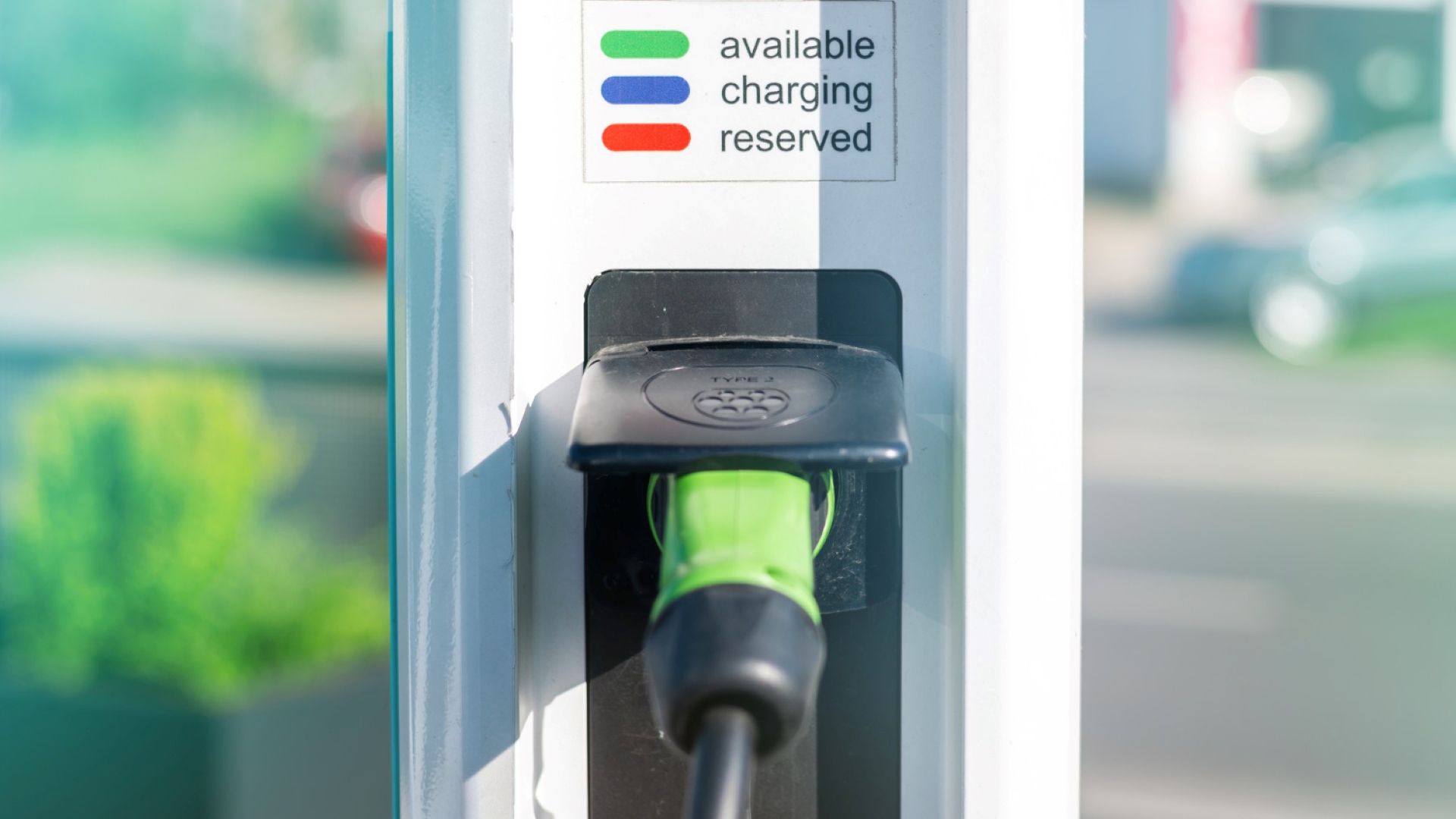
Despite the growth in electrification, more than 10,000 charging points in Spain are installed but inactive, which poses a critical challenge for electric mobility
Spain is moving forward on its path toward electrification, but the pace remains worryingly slow. According to the latest Electromobility Barometer published by ANFAC, the country has seen a 6.1% increase in public-access charging points, reaching a total of 37,876. However, this progress is only part of the story: more than 10,333 of these points are installed but not operational, meaning that one in every five public-access charging points in Spain is not working.
Untapped potential
If these non-operational points were activated, Spain could have a network of 48,209 charging points, approaching the target of 63,500 set for the end of 2024. This share of inactive infrastructure underscores the urgency of a crash plan from the Government to speed up the signposting and commissioning of these points on the roads.
Although the overall electromobility indicator has grown by only one tenth, reaching 15.3 points out of 100, the reality is that the slow evolution of the electrified vehicle market remains an obstacle. Up to September 2024, 80,232 electrified passenger cars have been sold, which represents just 29% of the annual target of 280,000 units.
Regional inequalities
Progress in installing charging points is not uniform across the country. Four autonomous communities — Navarre, Catalonia, Castilla-La Mancha and Castilla y León — are above the national average, while others, such as Asturias and Madrid, have experienced significant declines in their electrification indicators. This picture highlights the need for a coordinated and robust strategy to address charging infrastructure at the national level.
High-power infrastructure, a challenge to be tackled
A critical aspect of the barometer is the limited development of fast and ultra-rapid charging infrastructure. Currently, only 29% of public-access charging points exceed 22 kW of power, when the target should have been 51% by 2024. This means that 71% of existing points require between 3 and 19 hours to complete a charge, which is impractical for many drivers.
Despite a slight increase in the ultra-fast charging network, which now has 2,705 points of 150 kW or more, this number represents only 7.1% of the total charging points. This highlights the urgent need to expand high-power infrastructure to meet the growing demand for electric vehicles.


 Kia offers an electric range of 10 models, 50 versions and 400 possible combinations
 The seven finalists for the 2027 European Car of the Year (COTY) are exclusively electric
 Peugeot E-208 GTi: a battery-powered toy that revives the spirit of the 1980s sports cars
Deja un comentario