These are the most common winter breakdowns: watch out for them
 Victor Alós Yus @sepelaci
11 December 2020
3 min.
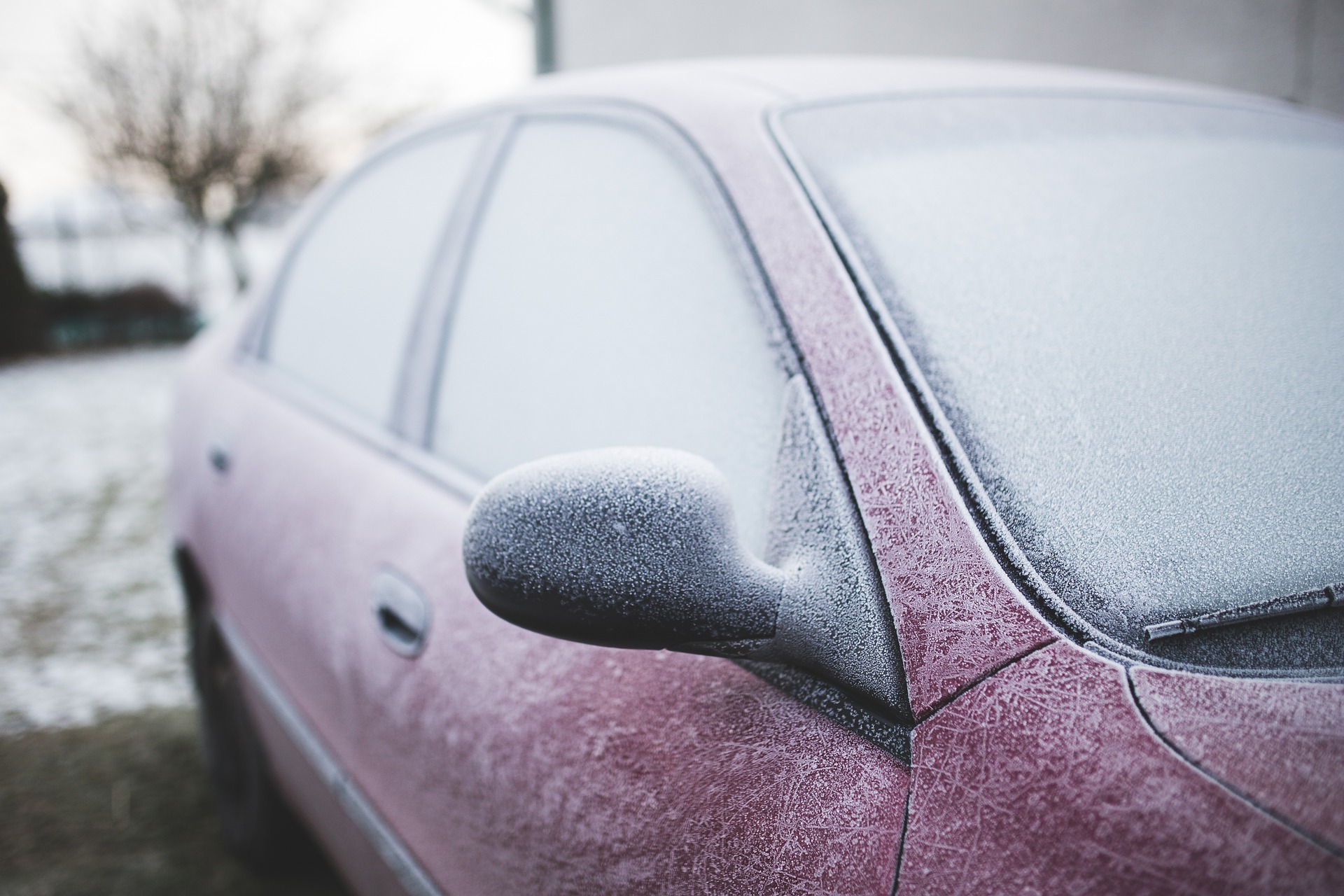
Winter causes several problems in vehicles, so it is worth scheduling checks to prevent these components from deteriorating and causing trouble.
Winter has arrived, and it is the right time to check your car so you don’t run into one of those breakdowns that can ruin your day when you least expect it. At Desguaces Valencia, we wanted to point out some of the most common winter breakdowns and the most frequent components that can suffer damage during these cold months and with severe weather.
Many of these parts that can be affected by low temperatures, rain, ice or snow are exposed to these elements, so they should be checked fairly often to spot any problem and act in time. But there are others that are covered and need a professional to inspect them and carry out more specialised maintenance. These are some of the sensitive points of the car to keep an eye on in winter.
- The battery: The battery suffers especially during winter. Its efficiency can drop by between 20 and 50% because of low temperatures. Keep an eye on its charge and check whether it is worth replacing. Batteries with gelled electrolyte are more resistant to winter conditions.
- Fluids and oil: Low temperatures can alter the condition of the engine fluids and oil. Pay special attention to the antifreeze, the lubricant and the coolant, and also make sure the windscreen washer fluid is in good condition so it can do its job efficiently.
- Engine: The engine changes temperature quickly. In other words, it goes from being very cold to reaching a very high temperature within minutes. This can damage the moving parts, so it is advisable not to force the engine and to let it warm up gradually and without rushing.
- Seals: Seals keep the vehicle watertight, that is, they stop water from getting into the car. Cold can deteriorate the rubber, so check their condition visually to make sure they are not damaged and that they still do their job.
- Tyres: We will never tire of repeating that tyres are one of the most important parts of the car. Tyres must have a minimum tread depth of 1.6 mm. This is the minimum required to drain water properly on wet roads. With less tread the risk of an accident increases and aquaplaning is more likely. Also check that they are in good condition and have not hardened or cracked.
- Headlights: Lights are vital for seeing and being seen. For that reason they must work properly and be correctly aligned. Always carry spare bulbs or, if that is not possible, take the car to the workshop to replace a faulty light unit. This is essential in winter, when natural light is scarce and we rely more on artificial light to see and to let other vehicles see us.
There are other things to watch in winter, such as the wiper blades, which can freeze and deteriorate, so they stop wiping properly. The clutches can also be covered with a thin layer of ice, so it is advisable to press the pedal before setting off to break this light layer of ice.
And to prevent the cabin air from drying out and deteriorating due to lack of ventilation, let air circulate by lowering the windows from time to time. With all these precautions, many breakdowns and driving problems can be avoided.


 Peugeot E-208 GTi: a battery-powered toy that revives the spirit of the 1980s sports cars
 New Lexus ES: luxury grows and goes electric
 First contact with the Dacia Sandero Hybrid 155: power and efficiency from €19,890
Deja un comentario