Top 5 family cars to save money in 2026
 Dani Montesinos
28 February 2026
7 min.
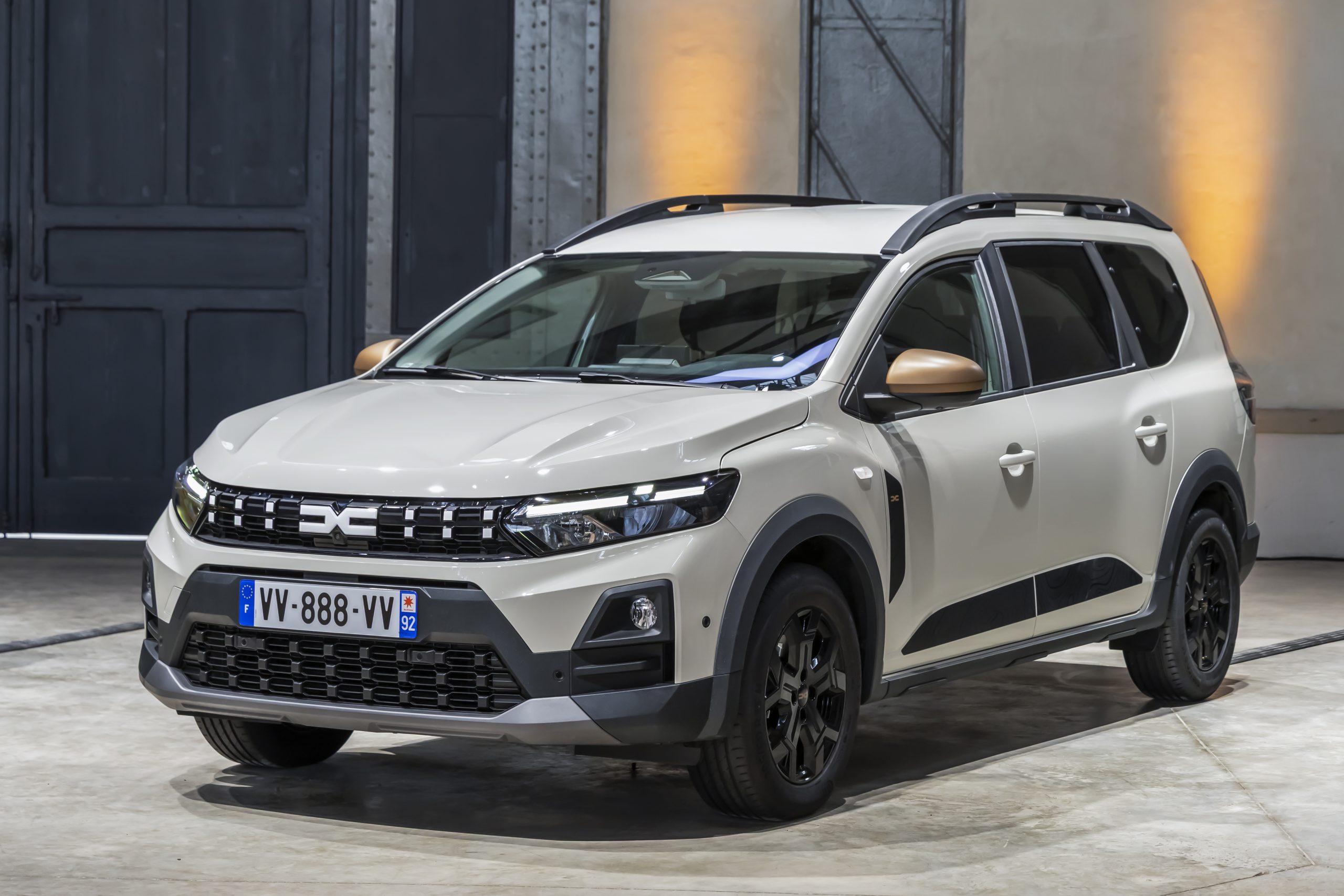
If you are a family looking for a car, we suggest five models that offer good value for money.
The family car market in 2026 is caught between the need for space and the pressure to reduce running costs. Families are looking for models that offer large boots, real-world roominess and modest fuel consumption without giving up comfort on long journeys. Here we compare five alternatives that combine practical capacity with technical approaches geared towards efficiency, from entry-level options with good value for money to hybrids that reduce consumption in mixed driving. You will find clear differences in approach (adapted MPV, classic estate, compact SUV) and in the type of saving they offer: purchase price, cost per kilometre or lower maintenance spending.
Who is this ranking for?
This ranking is based on market data, official specifications and published road tests. It is designed for anyone who prioritises reducing the total cost of family mobility without sacrificing space or comfort.
If you do a lot of mileage, value every euro of equipment and want a car that pays back the initial outlay quickly, or if you prefer to spend less at the wheel through lower consumption and servicing, these models offer different options: from the most affordable choice to hybrids with modest real-world consumption.
What details have we analysed?
We have considered market positioning, official technical data such as power and WLTP consumption, range where applicable, dimensions and boot usefulness, the real use expected from a household, and the price-to-technical-approach ratio in order to assess cost per kilometre and ease of everyday use.
Ranking of the Top 5 family cars to save money in 2026
Dacia Jogger (from €16,490*)
Indicative price without applying public grants or the brand’s commercial discounts.
Why it is here: The Jogger offers the clearest price-to-space ratio in its segment: seven optional seats, low purchase and maintenance costs, and simple mechanicals that favour economical family use.
Ideal for: Families who prioritise purchase price and space over hybrid technology or premium equipment.
Pros:
- Low entry price and reduced maintenance costs.
- Generous interior capacity and seven-seat options.
- Mechanical simplicity that keeps repairs affordable.
Cons:
- More basic equipment and interior finish than pricier rivals.
- Modest consumption and performance compared with hybrid alternatives.
Skoda Octavia Combi (from €29,900*)
Indicative price without applying public grants or the brand’s commercial discounts.
Why it is here: The Octavia Combi combines a segment-leading boot with efficient engines and an established value-for-money proposition; its real-world efficiency in TSI and mild-hybrid versions makes it a balanced choice for running costs and versatility.
Ideal for: Those who need a lot of load space and efficient driving for journeys and daily use.
Pros:
- Generous boot and practical shape for family loads.
- Efficient engines and good value for money.
- Wide service network and maintenance coverage.
Cons:
- The price of some well-equipped versions can rise quickly.
- Conservative design compared with recent SUVs.
Toyota Corolla Touring Sports Hybrid (from €28,800*)
Indicative price without applying public grants or the brand’s commercial discounts.
Why it is here: The hybrid version of the Corolla offers very modest mixed-cycle consumption and a reputation for reliability; its technical design is aimed at minimising energy use in real driving, which reduces the family’s running costs.
Ideal for: Families who do a lot of mixed driving and value low consumption and a reputation for reliability.
Pros:
- Modest hybrid consumption in urban and mixed use.
- Proven architecture and contained maintenance costs.
- Balanced handling and a good level of safety.
Cons:
- Boot slightly tighter than some large estates.
- Few versions with a more dynamic focus.
Hyundai Tucson Hybrid (from €36,000*)
Indicative price without applying public grants or the brand’s commercial discounts.
Why it is here: The Tucson Hybrid offers an SUV alternative with real-world efficiency on long and urban journeys, good insulation and comfort, which offset the higher purchase price when the priority is reducing cost per kilometre.
Ideal for: Families who prefer the driving position of an SUV and make frequent trips with modest consumption.
Pros:
- Hybrid-architecture efficiency in mixed use.
- Comfort and roominess for family trips.
- Wide range of safety equipment available.
Cons:
- Entry price higher than compact family cars.
- Weight and size that add to the cost in town.
Kia Ceed Tourer (from €24,500*)
Indicative price without applying public grants or the brand’s commercial discounts.
Why it is here: The Ceed Tourer combines good dynamics, real load capacity and efficient engines, offering a solid value-for-money proposition for those seeking a balance between initial cost and everyday efficiency.
Ideal for: Users who want a practical, well-finished estate with low running costs.
Pros:
- Good roominess and a practical boot.
- Efficient engines with a contained cost per kilometre.
- Competitive technology equipment in its category.
Cons:
- Less distinctive design than some SUV rivals.
- Some options raise the final price.
The prices shown in this ranking are indicative and do not apply public grants or the brand’s commercial discounts.
Technical comparison
| Model | Range | Power | Consumption | Top speed | Price (€*) |
|---|---|---|---|---|---|
| Dacia Jogger | ND | 110 CV | 6.3 L/100 km | 170 km/h | €16,490* |
| Skoda Octavia Combi | ND | 150 CV | 5.6 L/100 km | 220 km/h | €29,900* |
| Toyota Corolla Touring Sports Hybrid | ND | 122 CV | 4.4 L/100 km | 180 km/h | €28,800* |
| Hyundai Tucson Hybrid | ND | 230 CV | 5.8 L/100 km | 195 km/h | €36,000* |
| Kia Ceed Tourer | ND | 160 CV | 5.7 L/100 km | 210 km/h | €24,500* |
These data are official and taken from the brands’ official websites.
FAQ · The 5 questions everyone asks
Which of these cars is cheapest per kilometre?
It depends on use: in urban and mixed driving the hybrids (Toyota, Hyundai) usually offer lower real-world consumption; if the goal is to reduce the initial cost per kilometre, budget models such as Dacia have the edge thanks to their purchase price and low maintenance costs.
Is it worth paying more for a hybrid over a cheap family car?
If you do a lot of daily mileage or frequent urban journeys, the savings on fuel and regenerative braking can offset the difference. For occasional use, the lower initial cost may be more advantageous.
Which model is best for long family trips?
Models with greater comfort and safety equipment, such as the Skoda Octavia Combi or the Hyundai Tucson Hybrid, offer a balanced package of space, comfort and efficiency on the road for long journeys.
Are hybrids more expensive to maintain than conventional petrol cars?
Modern hybrids have similar maintenance costs for the main components; moreover, lower consumption and reduced thermal load can mean less wear on the braking system and savings on fuel.
How can I check the real cost before buying?
Compare the final price with equipment, WLTP consumption, warranties and maintenance packages; consider the service network and the estimated residual value to calculate the total cost of ownership.
Expert Conclusion
This list brings together different options: from pure value propositions to hybrid solutions that reduce operating expenses. What this ranking means for the buyer is that saving money can be achieved in two ways: by paying less upfront or by paying less for every kilometre. The choice depends on the family routine, annual mileage and how much importance is given to equipment and comfort on journeys.
If you want to stretch your money, first look at the real entry price and what comes as standard. If the model is in high demand, it is usually also easier to sell later on. And if you do a lot of kilometres, energy cost and efficiency matter more than the power figure. If you won’t be charging often, don’t buy from the catalogue: buy for your routine.


 Peugeot E-208 GTi: a battery-powered toy that revives the spirit of the 1980s sports cars
 New Lexus ES: luxury grows and goes electric
 First contact with the Dacia Sandero Hybrid 155: power and efficiency from €19,890
Deja un comentario