Which car should I buy if I want an electric vehicle with advanced technology in 2026?
 Dani Montesinos
28 February 2026
7 min.
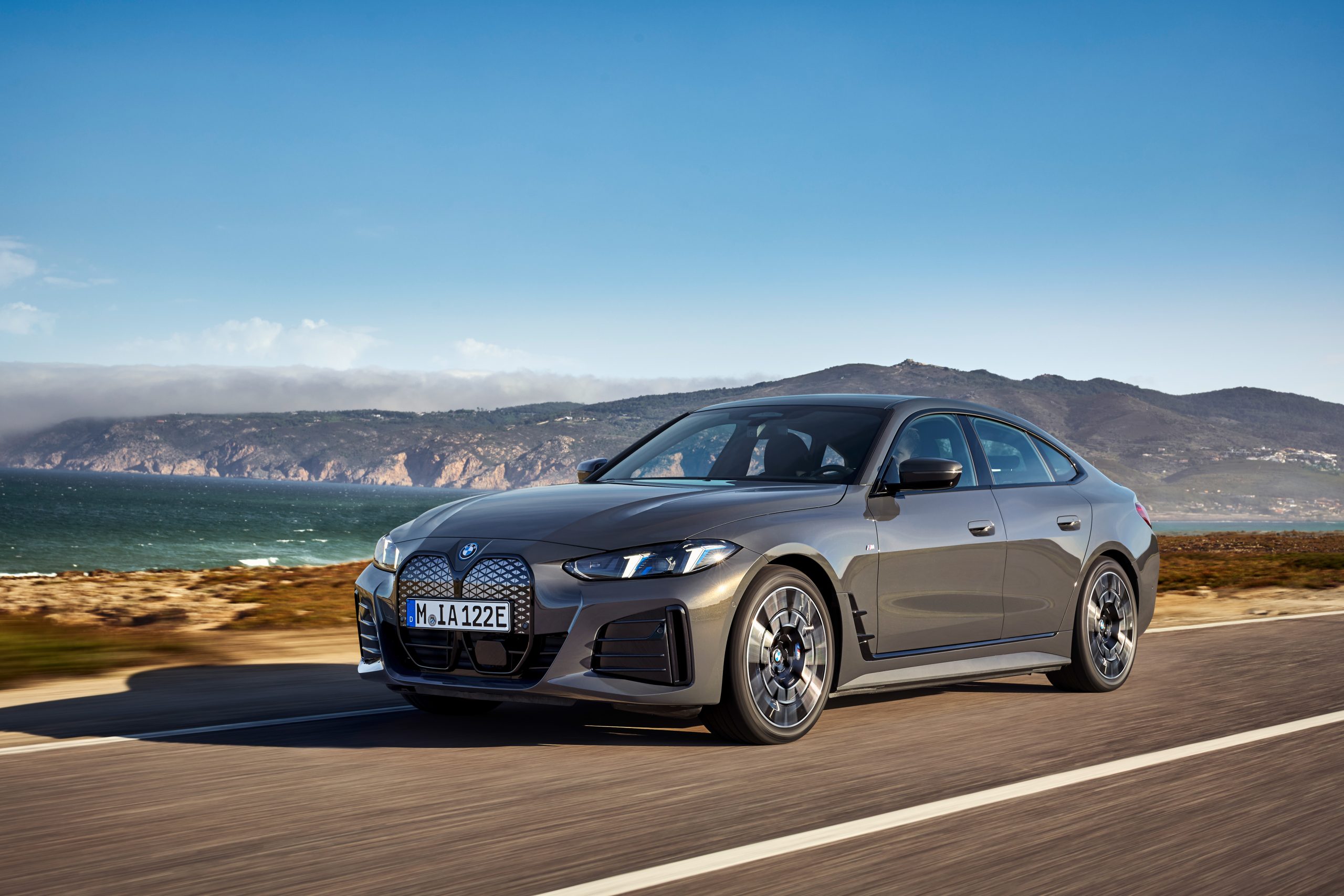
We suggest a range of fully electric cars equipped with the latest technological innovations
The offer of electric vehicles with advanced technology in 2026 has consolidated around driver-assistance solutions, permanent connectivity and remote updates. Today’s purchase decision does not depend only on range or power: the charging capacity, the vehicle’s integration with the user’s digital ecosystem and the real quality of the driver-assistance systems also weigh heavily. This context explains why conscious buyers look into sensors, assistance certifications and compatibility with charging infrastructure before deciding.
This buying guide is for…
This text is aimed at drivers who prioritise the technological capabilities of an electric car: advanced assistants, connected navigation systems, software with OTA updates and bidirectional or high-power charging options. It is also useful for those who travel frequently and need an efficient charging network and a digital experience integrated with their phone and home. It is not the best option for buyers on a reduced budget who are looking for the cheapest possible purchase, nor for anyone who needs extremely simple solutions without dependence on complex software.
Common options within the segment
In 2026, proposals focused on range and fast charging coexist with ranges oriented towards comfort and others focused on assisted driving. Some manufacturers prioritise high-density batteries and electrical architectures that allow ultra-fast charging; others adjust price and equipment to maximise range at controlled costs. The usual trade-off affects vehicle weight (larger battery, greater mass), real consumption on motorways, the need to plan charging stops and the final price depending on the onboard technology.
Key criteria for choosing well
Realistic range versus homologated range: consider WLTP and real-world range data, especially in cold conditions or at sustained motorway speeds. Power and charging speed: check the maximum DC charging power (kW) and the charging curve to understand times at public stations. Stability and comfort on the road: driver-assistance electronics influence the sense of stability, as does the chassis tuning relative to the extra mass of the battery. Genuinely useful technology: prioritise assistants validated in real conditions, interfaces that reduce distractions and connectivity that allows OTA updates. Total cost of purchase and use: include acquisition cost, average energy consumption, maintenance and possible long-term battery replacement costs.
It depends on how you drive
If you mostly drive in the city, you value agile response, automated parking systems and home charging; the large-capacity battery and ultra-fast charging are less critical. If you make long journeys frequently, fast-charging capability and sustained range at 120–130 km/h come to the fore. The climate of your area matters: in cold regions, energy performance and battery thermal management are decisive. Your tolerance for depending on software updates also matters: some drivers accept continuous improvement, others prefer vehicles less dependent on connectivity.
Real price: what you should know
The “from” price indicates the base rate of the model without extras or discounts; for electric cars it usually rises considerably with battery packs or assistance equipment. The difference between cash and financed prices may include interest and fees that raise the final cost. Optional equipment — driver assistance, panoramic roof, sound systems and higher-capacity battery — changes the base price. In addition, commercial offers, stock discounts and public grants influence the final price, so it is advisable to simulate the purchase with the desired equipment level.
Reference models on the market
BMW i4 (from 57,900 €*)
Electric saloon proposal with a balance between dynamism and technology. It is aimed at drivers seeking advanced-level assistant integration, good on-road performance and compatibility with fast-charging solutions. It suits mixed journeys and drivers who value chassis response.
Pros
Well-calibrated chassis and well-integrated assistance systems that favour stability on the motorway.
Cons
The base price rises quickly with battery packs and higher-level driving aids.
Mercedes-Benz EQE (from 72,900 €*)
Focus on digital comfort and sophisticated assistants; the strategy centres on haptic interfaces and radar and camera systems that support assisted driving on fast roads. It suits users who prioritise ergonomics and standard software.
Pros
Level of integration between assistants and travel comfort, with business connectivity options.
Cons
High cost in its best-equipped versions and dependence on updates for some functions.
Volkswagen ID.4 (from 41,900 €*)
General-purpose platform focused on practicality and a broad charging ecosystem; designed for families and users seeking a balance between price, range and improved basic assistance systems.
Pros
Value for money and a charging network compatible with multiple operators in Spain.
Cons
The sense of interior quality and the responsiveness of some software elements may feel less refined compared with premium rivals.
Audi Q4 e-tron (from 49,500 €*)
Aimed at users who want good connectivity and a set of driver aids with premium calibration. It suits long journeys and family use thanks to its ergonomics and versatility.
Pros
Integration of infotainment systems and assistants focused on the occupant experience.
Cons
The cost of the battery pack and options can significantly raise the final price.
Hyundai Ioniq 5 (from 41,200 €*)
A relevant model for its balance between range, design and bidirectional charging technologies; designed for users seeking practical functionality and a versatile electrical system.
Pros
Charging capabilities (including V2L in some versions) and good real-world efficiency on mixed journeys.
Cons
Some advanced aids require optional packages and the connectivity experience varies depending on the equipment level.
Purchase grants
Purchase grants in 2026: Plan Auto+ and tax benefits. The 2026 Plan Auto+ replaces previous programmes and establishes a new system of direct aid for buying electrified vehicles in Spain, with criteria that favour European production and pure electric vehicles.
Main amounts under Plan Auto+ 2026
– Direct aid of up to 4,500 € for electric passenger cars.
– Up to 5,000 € for light vans in category N1.
– Retroactive effect from 1 January 2026.
– Approximate budget allocation of 400 million euros.
Who can benefit and priority criteria
Beneficiaries: private individuals, self-employed workers and companies. The EEE criterion (Electric, Economic and European) applies, with greater incentives for BEVs compared with PHEVs. Vehicles priced below 35,000 € receive higher aid; between 35,000 € and 45,000 € the aid is reduced. The maximum incentive is offered if the final assembly or the batteries come from the European Union.
Additional requirements and tax advantages
Mandatory minimum discount of 1,000 € from the dealership. 15% deduction in personal income tax (IRPF) up to a maximum of 3,000 €. Tax validity until 31 December 2026.
Management and possible regional aid
Management is coordinated by the Ministry of Industry together with the Autonomous Communities. Additional regional programmes may exist; for example, Plan Cambia 360 in the Community of Madrid. At the time of writing, it is not confirmed whether all regional aid is compatible with Plan Auto+.
Common buying mistakes
Assuming that WLTP range matches real-world range in all conditions. Not evaluating the charging curve and focusing only on the advertised maximum power. Ignoring the additional cost of the equipment needed for the assistants considered essential. Underestimating the importance of OTA updates for safety. Relying solely on homologation cycles without consulting real-use data under local conditions.
With this overview of the market and the technical criteria, the reader has the elements to prioritise which technological aspects are essential for daily use. The logical next step is to compare these references with up-to-date analyses and detailed comparisons that include final prices with equipment and current grants.


 Peugeot E-208 GTi: a battery-powered toy that revives the spirit of the 1980s sports cars
 New Lexus ES: luxury grows and goes electric
 First contact with the Dacia Sandero Hybrid 155: power and efficiency from €19,890
Deja un comentario