Transform, the European proposal to alleviate the semiconductor crisis
 Victor Alós Yus @sepelaci
10 November 2021
2 min.
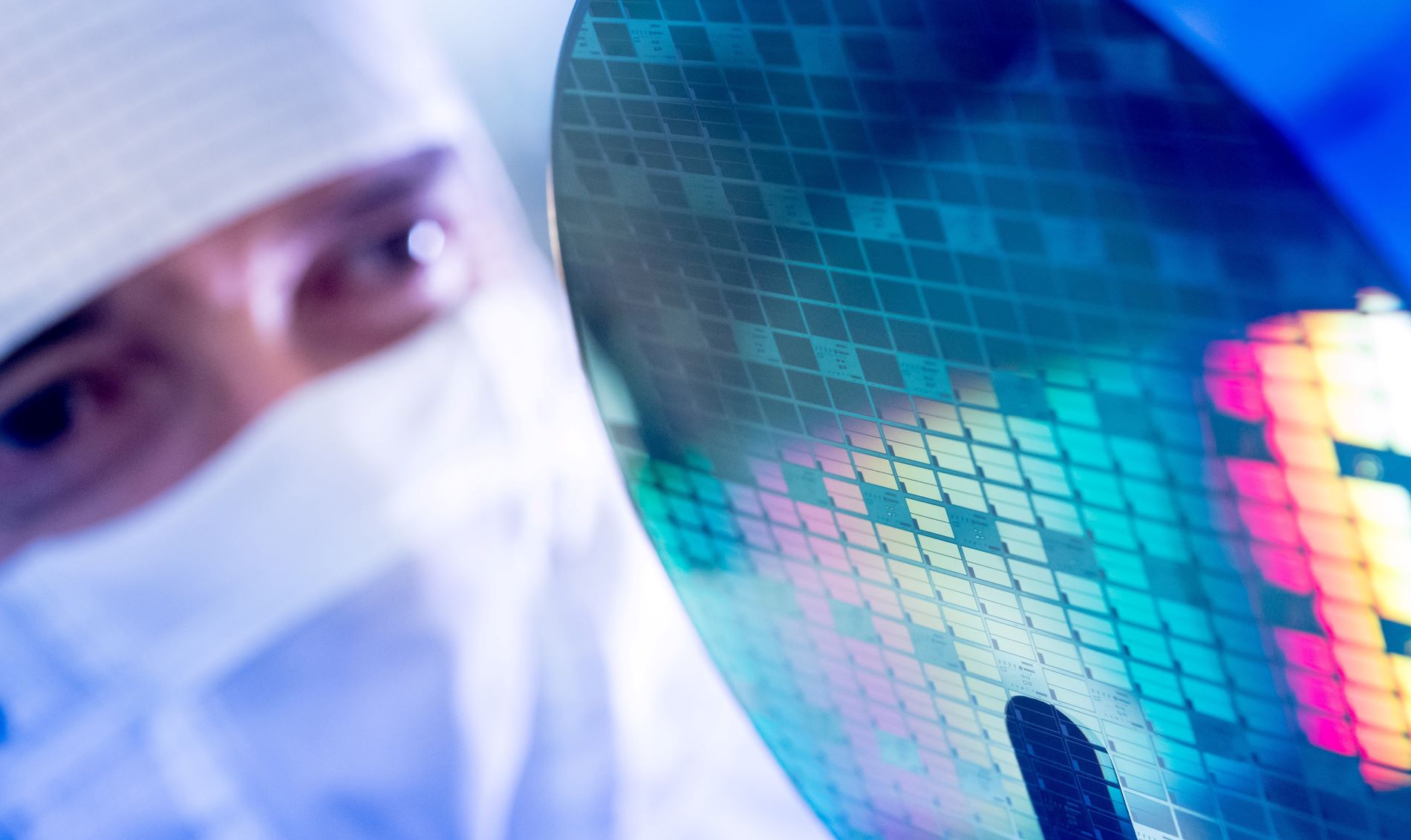
The project proposed by Bosch aims to help Europe regain a relevant role in semiconductor manufacturing and reduce its dependence on third countries.
Faced with the semiconductor crisis that we have been experiencing these past months, European markets are receiving a significant boost to begin working on the manufacturing of this type of component, which is essential for car production. The “Transform” project is led by Bosch and aims to become the driving force behind chip manufacturing on European soil.
Under this umbrella this brand and 34 others come together, including government and educational institutions. Together, they will drive the development of a strategic plan that will help grow the market for these components, although this will not happen immediately; rather, the goal is set for the medium and long term.
A complete production chain
The inclusion of all these companies and institutions will make it possible to establish a chain covering development, raw material supply and component manufacturing. All of this without having to depend on third countries, not even for distribution among the different markets participating in the project.
Bosch has presented a study indicating that the semiconductor market will grow by 30% every year. In fact, it is expected to reach a turnover of 2,500 million dollars by 2025. With the “Transform” project, Bosch wants to get ahead of this market trend by creating a new field of development and technology for producing semiconductors.
In this way, Europe will be able to become a power in the manufacturing and marketing of these components, so important for car production in our market.
New materials
To begin with, Bosch already wants to offer a major innovation in semiconductor manufacturing. This proposal revolves around silicon carbide. This technology is more efficient than the one currently in use, pure silicon. With the current material, a lot of energy is lost as heat, something that does not happen with this new material. Furthermore, it is a better conductor of electricity and can prove much more useful.
This project is partly funded by the European Union, which will contribute 89 million euros. Alongside Bosch, companies such as Aixtron, Danfoss, EV Group, Premo, Saint-Gobain, Semikron, Soitec, STMicroelectronics and Valeo-Siemens are taking part. Institutions from several European countries are also participating, such as the Brno University of Technology, CEA Leti, Fraunhofer IISB and the University of Seville.


 Peugeot E-208 GTi: a battery-powered toy that revives the spirit of the 1980s sports cars
 New Lexus ES: luxury grows and goes electric
 First contact with the Dacia Sandero Hybrid 155: power and efficiency from €19,890
Deja un comentario