Volkswagen Electric Cars Industry
Volkswagen and its new SSP EV platform
 Óscar Sanz
23 June 2023
4 min.
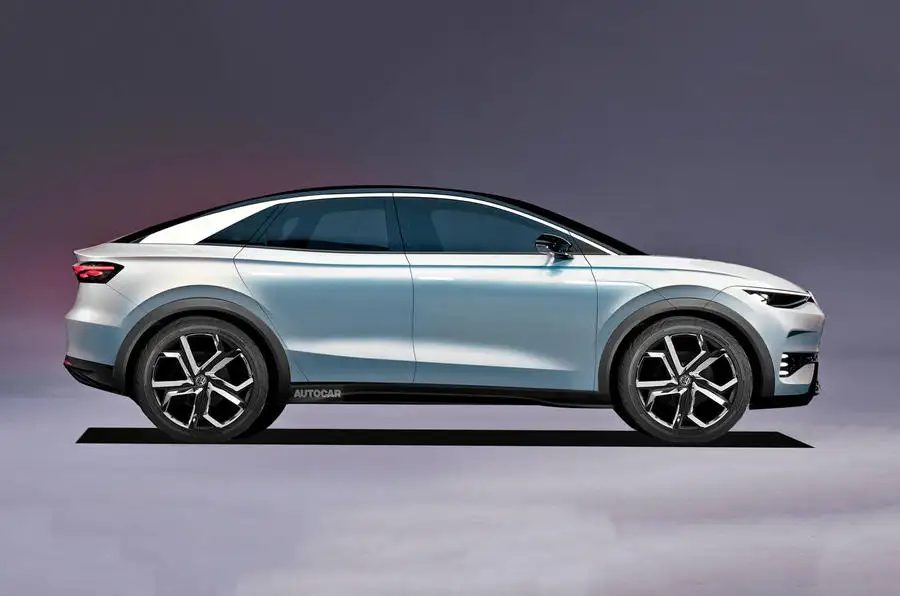
Volkswagen has recently announced the start of production of its new SSP platform for electric vehicles, with its arrival on the market expected in 2028
The Chief Executive Officer (CEO) of the Volkswagen Group, Oliver Blume, has recently announced the launch of its new SSP (Scalable System Platform) integrated electric architecture platform in 2026, despite reports in recent months of delays until 2028/29. It will cover a wide range of vehicles, from city cars to sports cars, according to the company’s executives.
In 2021, the first presentation of the SSP architecture was held, with the intention of launching it in 2026 as part of the Artemis project of Audi. However, due to various setbacks, especially in the development of the key software version 2.0, the launch has been postponed until 2028/29.
The letters SSP stand for Scalable System Platform. It will be the next-generation mechatronic platform of the Volkswagen Group and will be characterised by being the successor architecture to the current MQB, MSB, MLB, MEB and PPE platforms. The company will go from having three architectures available for combustion-engine models and two for electric ones to a single platform for its entire product range.
As a strategy to increase economies of scale and reduce the high prices of electric vehicles, the brands of the VW Group will share architecture modules across approximately 40 million vehicles. According to Blume, “most” of the vehicles on the SSP platform will achieve profitability levels similar to those of internal combustion vehicles, unlike “some” models on the group’s MEB platform designed for electric vehicles.
A key feature present in all models will be the “unified” battery, which is planned to be built in future VW plants and will have the capacity to use a wide range of chemistries, including LFP (lithium iron phosphate), which will contribute to the reduction of costs.
Blume provided new details on the performance of SSP vehicles, mentioning a notable reduction in charging time, which will go from 10% to 80% in approximately 12 minutes on average, compared with the current 35 minutes of MEB models. Thanks to software 2.0 and the electronic architecture, these vehicles will be able to reach level four autonomous driving.
Most brands will use this platform
In order to accelerate development, each brand will be responsible for developing certain elements of the SSP architecture, considering the size and cost of its core segment. Volkswagen will lead the development of components for superminis and city cars, which will be used by Cupra, Skoda and Audi. On the other hand, Audi will be in charge of the parts intended for compact and mid-size cars, which will be used by Volkswagen, Porsche and Skoda. In addition, Porsche will lead the development of components for large vehicles, which will be used by itself, Audi, Bentley and Lamborghini.
Blume stated that the SSP components for large vehicles, used by Audi, Bentley and Lamborghini, will be shared across 14 models, with the aim of producing approximately 1.4 million vehicles combined by the year 2038. This would translate into sales revenue of around €150 billion, with profit margins above 20% thanks to the scale effect, according to Blume.
Overall, Blume highlighted that the VW Group could reduce capital expenditure and development costs by 30% compared with the MEB platform.
Advantages of the SSP
Furthermore, Blume mentioned the advantages of the two platforms that precede the SSP.
- First, there is the PPE (Premium Performance Electric), used by Audi, Porsche and Bentley, which will debut next year with the Porsche e-Macan and the Audi Q6 e-Tron. This platform makes better use of the vehicle’s interior space and allows one electric motor per axle to be installed, thus offering numerous configurations of traction, propulsion or all-wheel drive.
- On the other hand, the MEB+ platform, which will be launched in 2025, will update the MEB platform and reduce the charging time by between 10% and 80%, with an average of 21 minutes compared with the current 35 minutes. Both platforms will offer at least level two autonomous driving, although the PPE could also enable level three.
SSP platform image gallery


 Peugeot E-208 GTi: a battery-powered toy that revives the spirit of the 1980s sports cars
 New Lexus ES: luxury grows and goes electric
 First contact with the Dacia Sandero Hybrid 155: power and efficiency from €19,890
Deja un comentario