BMW Volvo X3 XC60 Hybrid Cars Comparisons Tests SUV
Volvo XC60 vs. BMW X3 plug-in hybrids: which premium mid-size SUV offers more value in 2026?
 Iván Navarro
26 October 2026
6 min.
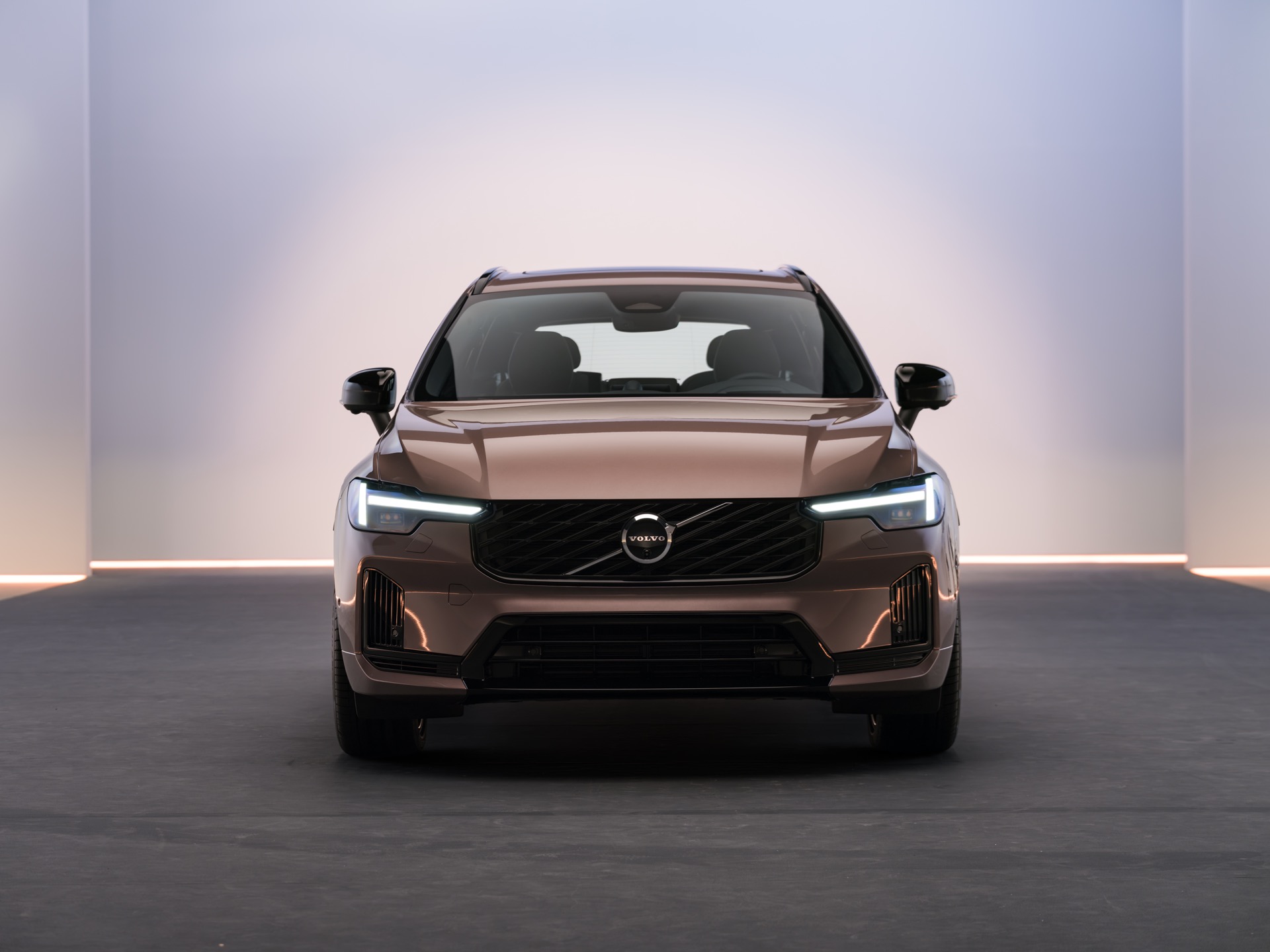
Two schools, one segment. The electrified premium mid-size SUV has become the battleground where European brands play for much more than sales: they play for brand identity. Few head-to-heads illustrate this better than the one pitting the Volvo XC60 against the BMW X3, two proposals that start from the same need —a spacious, tech-laden crossover with a favourable environmental label— but arrive at very different conclusions.
In our view, the decision is not as obvious as it seems on paper. Let’s take it step by step.
Design and road presence
The Volvo XC60 remains faithful to the Scandinavian minimalism we already know from other models in the brand: clean lines, vertical “Thor’s hammer” headlights and an interior that prioritises visual calm over spectacle. The BMW X3, in its current generation internally known as G45, opts for a tenser body, with a double-kidney grille that takes centre stage and a stance that invites more spirited driving.
These are not opposing approaches out of whim. Each responds to a different idea of what a premium SUV should convey.
Volvo XC60 MHEV B5 250: comfort from €56,900
The unit we analysed is the Essential AWD variant with automatic gearbox, equipped with the 2.0 B5 petrol mild-hybrid engine and 48V electric assistance. It produces 250 CV and keeps a reasonable homologated consumption for an SUV of its size.
| Model | Power (kW) | Power (CV) | Top speed | Consumption | CO₂ emissions | Fuel | Price from |
|---|---|---|---|---|---|---|---|
| Volvo XC60 MHEV B5 250 Essential AWD | 184 kW | 250 CV | 180 km/h | 7.5 l/100 km | 170 g/km | Mild hybrid (petrol/electric) | from ≈€56,900 |
In real use, the XC60 moves with the smoothness one would expect: filtering suspension, light steering and acoustic insulation that makes any long journey feel relaxed. To my taste, this is where Volvo still makes a difference against more sporty rivals.
BMW X3 20 xDrive: dynamism from €65,050
The BMW X3 G45 20 xDrive uses a 2.0 petrol engine with 48V electric assistance, delivering 208 CV with standard all-wheel drive. Its homologated top speed of 215 km/h already hints at the sportier character of the Bavarian proposal.
| Model | Power (kW) | Power (CV) | Top speed | Consumption | CO₂ emissions | Fuel | Price from |
|---|---|---|---|---|---|---|---|
| BMW X3 G45 20 xDrive | 153 kW | 208 CV | 215 km/h | 6.9 l/100 km | 156 g/km | Mild hybrid (petrol/electric) | from ≈€65,050 |
Driven with some determination, the X3 responds with a chassis precision that the Volvo does not pursue. It is quick, yes, but you don’t need to push it hard to enjoy it: a road with medium-radius bends is enough to notice the torsional rigidity so characteristic of BMW. Anyone who already knows the BMW X3 M50 xDrive will know that this 20 xDrive version is, logically, much more restrained —but it retains the dynamic DNA of the range.
Power, consumption and environmental label
Here the BMW scores a point: at 156 g/km versus the Volvo’s 170 g/km, and a homologated consumption of 6.9 l/100 km versus 7.5 l/100 km, the X3 is slightly more efficient on paper. The difference is not enormous, but over thousands of kilometres of intensive use each year it does show up in the fuel bill.
That said, the XC60, with 42 CV more, offers a more generous response in overtakes and on motorways, something drivers used to travelling with a full family car will appreciate.
On-board technology and equipment
The Volvo features a vertical central screen with a Google-based interface, clear and easy to use, although to my taste slightly less customisable than its rival’s. The BMW, with its latest-generation iDrive system and curved instrument display, is denser in options —and also somewhat more demanding to learn at first.
Neither disappoints in active safety. Both incorporate level 2 assistants as standard in the trims we analysed, although it is worth checking each dealer’s specification sheet carefully, as assistance features vary depending on the chosen package.
Interior space and boot
In rear seats the difference is minimal. Where the Volvo gains some ground is in the overall sense of spaciousness, thanks to a lower dashboard and horizontal lines that visually open up the cabin. The BMW, by contrast, prioritises a more enveloping driving position, with seats that hold you better through corners.
Price and value for money in Spain
With an RRP from approximately €56,900 for the Volvo XC60 and around €65,050 for the BMW X3, the gap exceeds €8,000 in favour of the Scandinavian model. In practice, it is a difference that weighs quite heavily when signing the contract.
It is worth remembering that these figures are manufacturer’s recommended RRPs, without dealer discounts, one-off promotions or public aid such as the Plan Auto+, which can reduce the final outlay depending on the autonomous community and the current call. We always recommend checking the official website for the updated amount.
Comparative summary table
| Model | Power | Consumption | CO₂ | Price from | Highmotor score (1-10) |
|---|---|---|---|---|---|
| Volvo XC60 MHEV B5 250 | 250 CV | 7.5 l/100 km | 170 g/km | €56,900 | 8.3 |
| BMW X3 G45 20 xDrive | 208 CV | 6.9 l/100 km | 156 g/km | €65,050 | 8.1 |
Which one to choose depending on your use?
If your priority is comfort on the road and a tighter initial outlay, the Volvo XC60 is the better bet. If you value dynamism and can absorb the extra cost, the BMW X3 does not disappoint. Anyone who wants to dig deeper into which variables weigh most in this segment can review our guide on how to choose a premium SUV with the best value for money, where we break down the real weight of engine choice, equipment and total cost of ownership.
It remains to be seen whether future range updates narrow this price gap even further. For now, the Volvo XC60 has the most compelling argument in its favour: it offers almost the same for considerably less money.
Frequently asked questions
What is the price difference between the Volvo XC60 and the BMW X3 in their electrified versions?
The Volvo XC60 starts from approximately €56,900, while the BMW X3 is around €65,050. The difference exceeds €8,000, always as an indicative RRP without discounts or public aid.
Which of the two consumes less fuel?
The BMW X3 G45 20 xDrive has a homologated consumption of 6.9 l/100 km versus 7.5 l/100 km for the Volvo XC60 MHEV B5 250, a moderate but real difference in daily use.
Which model has more power?
The Volvo XC60 analysed delivers 250 CV versus the 208 CV of the BMW X3 20 xDrive, although the latter compensates with a higher top speed, 215 km/h versus 180 km/h.
Can the Plan Auto+ be applied to these models?
It depends on the current call in each autonomous community and on whether the specific version meets the required electrification criteria. We recommend checking the official Plan Auto+ website before calculating the final saving.
Technical specifications of the cars in this article


 Peugeot E-208 GTi: a battery-powered toy that revives the spirit of the 1980s sports cars
 New Lexus ES: luxury grows and goes electric
 First contact with the Dacia Sandero Hybrid 155: power and efficiency from €19,890
Deja un comentario