We suggest five models if you're looking for a PHEV with a good price and performance for 2026
 Dani Montesinos
20 March 2026
9 min.
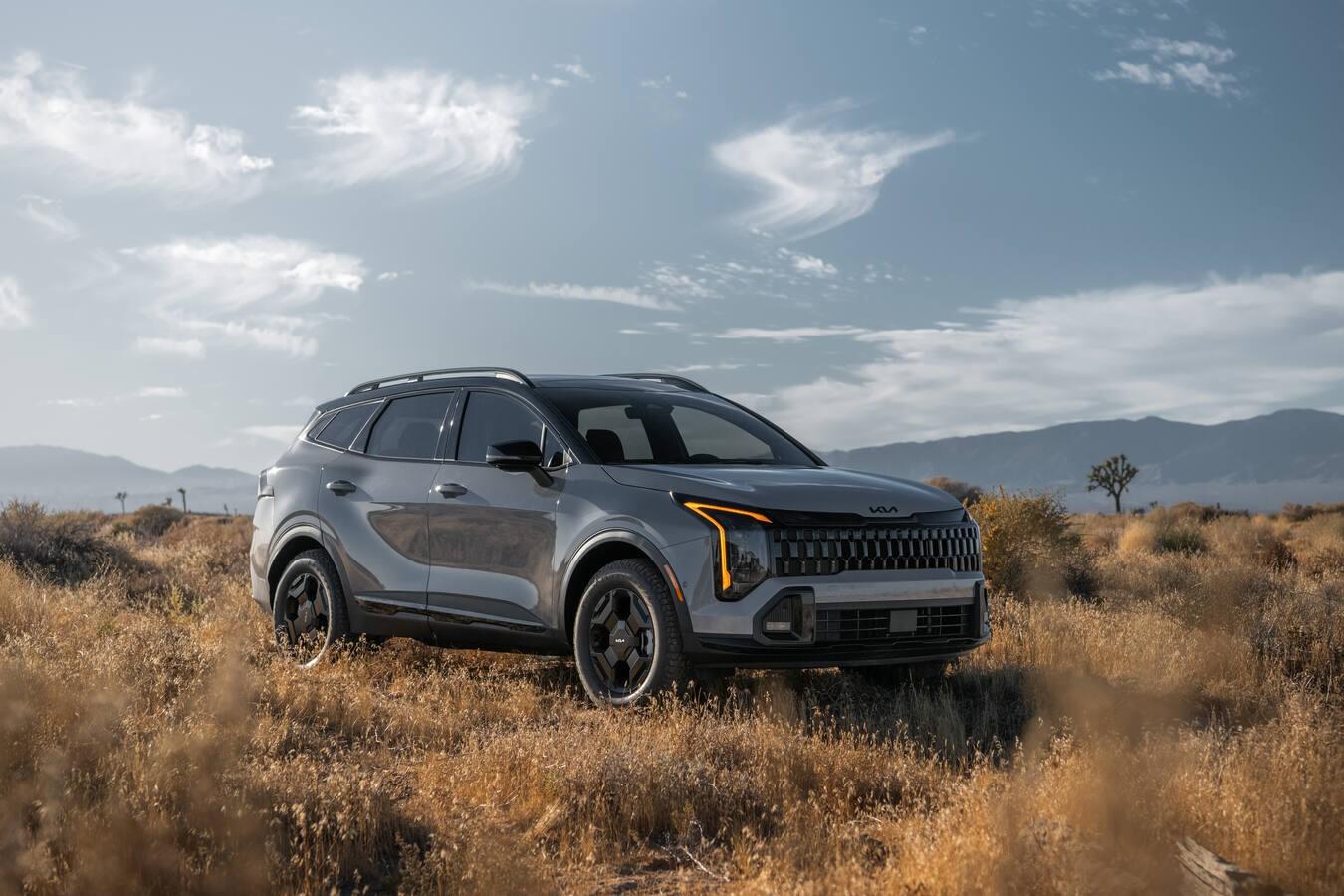
If you’re looking to switch to plug-in hybrids, we suggest five SUV models that offer an interesting price-performance ratio
PHEV with a good price and performance for 2026 is what many drivers are looking for when they want to reduce consumption and limit emissions without giving up long journeys. Plug-in hybrids have gained ground in the Spanish market because they combine a combustion engine with enough electric range for most daily trips. According to ANFAC, in 2025 SUVs accounted for more than 55% of the market, and within that wave PHEVs have established themselves as balanced alternatives between running costs and real-world capability.
In terms of size, the most in-demand PHEVs in Spain combine segment C and D interior space with practical boots: they are cars aimed at families and drivers with mixed routes. Buyers look for fuel savings, easy home charging and a reasonable entry price: today the average starting price for a well-equipped PHEV ranges from around €38,000–44,000 in base trim. The 2025 trends also show that manufacturers have improved WLTP electric range and the integration of driving modes, which reduces real consumption in town and on suburban routes.
This type of car is usually of interest to those who want to minimise cost per kilometre without relying exclusively on public charging infrastructure. In today’s market, petrol, diesel, non-plug-in hybrid, PHEV and electric powertrains coexist: each technology suits different needs and specific usage profiles.
These are the most balanced models if you’re looking for a PHEV with a good price and performance for 2026.
If you want quick recommendations: choose a compact SUV PHEV if you need space and a balance between consumption and electric range; opt for PHEV saloons if the goal is efficiency on the road. Prioritise realistic WLTP range, combined power and starting price in base trim to compare effective cost.
What a car needs to meet this requirement
A PHEV designed to offer a good price and performance should combine an electric battery with at least 40 km WLTP range to obtain the most favourable label, an efficient combustion engine and electronic management that allows fast home charging. Boot capacity and interior space are decisive if you travel as a family; the integration of driver assistance and scheduled charging improves daily use.
In terms of technology, it is worth checking combined power (for overtaking and motorway driving), combined WLTP consumption and AC charging capacity (kW) to estimate charging times. In the Spanish market you should expect prices from around €38,000 for the most competitive models up to more than €44,000 for premium alternatives. But not all of them offer the same balance.
Model selection
Hyundai Tucson PHEV
The Hyundai Tucson PHEV is an option that combines a spacious cabin with a solid price/performance ratio. Its electric and thermal figures are designed for mixed use, with good response in town and sufficient capacity on longer trips. It offers simple home charging and a setup geared towards comfort.
Why it’s a good option
- Balance between electric range and performance.
- Spacious and well-finished interior.
- Abundant safety equipment in base versions.
Ideal if you’re looking for
Families who want space and low consumption on daily journeys and occasional trips.
| Data | Value |
|---|---|
| Powertrain | PHEV |
| Environmental label | ZERO |
| Power | 288 CV |
| Range | 63 km |
| Consumption | 1.4 l/100 km |
| Price from | €39,915 |
Kia Sportage PHEV
The Kia Sportage PHEV shares architecture with alternatives within the group and offers one of the most competitive electric ranges in its segment. It is aimed at those looking for agile handling in town and good comfort on the motorway, with low consumption if it is charged regularly.
Why it’s a good option
- Outstanding electric range in its category.
- Good value for money in base trim.
- Warranty and a wide service network in Spain.
Ideal if you’re looking for
A compact SUV with useful electric range for daily commutes and weekends.
| Data | Value |
|---|---|
| Powertrain | PHEV |
| Environmental label | ZERO |
| Power | 245 CV |
| Range | 64 km |
| Consumption | 1.3 l/100 km |
| Price from | €41,630 |
Peugeot 3008 Hybrid4
The Peugeot 3008 Hybrid4 is an alternative with a dynamic focus and good electric efficiency. Its hybrid4 system provides four-wheel drive in the most powerful versions, which is appealing if you value performance without giving up the environmental label and urban savings.
Why it’s a good option
- Combination of performance and efficiency.
- Technology-focused interior with careful finishes.
- Power options for different uses.
Ideal if you’re looking for
An SUV with superior performance and mixed use where the electric part delivers savings in town.
| Data | Value |
|---|---|
| Powertrain | PHEV |
| Environmental label | ZERO |
| Power | 225 CV |
| Range | 59 km |
| Consumption | 2.4 l/100 km |
| Price from | €38,830 |
Mitsubishi Outlander PHEV
The Mitsubishi Outlander PHEV remains a reference for those who need space, versions with four-wheel drive and a battery with practical range. It is a solid proposal for families who travel frequently and want a PHEV alternative with a proven track record on the market.
Why it’s a good option
- Great interior space and cargo capacity.
- Four-wheel-drive versions with an additional electric motor.
- Proven experience with PHEV use.
Ideal if you’re looking for
A large SUV aimed at long journeys and those who value the versatility of all-wheel drive.
| Data | Value |
|---|---|
| Powertrain | PHEV |
| Environmental label | ZERO |
| Power | 306 CV |
| Range | 54 km |
| Consumption | 2.6 l/100 km |
| Price from | €48,300 |
Ford Kuga PHEV
The Ford Kuga PHEV is another competitive option offering balanced handling and a setup geared towards comfort. Its mechanical package is practical for everyday use and efficient on long stretches when the combustion engine kicks in.
Why it’s a good option
- Comfortable and dynamic driving.
- Good balance between electric range and price.
- Equipment geared towards practicality.
Ideal if you’re looking for
A compact SUV with a balance between initial price and efficient daily use.
| Data | Value |
|---|---|
| Powertrain | PHEV |
| Environmental label | ZERO |
| Power | 243 CV |
| Range | 56 km |
| Consumption | 2.6 l/100 km |
| Price from | €44,915 |
Which car to choose according to your case
If you do a lot of city driving
Prioritise PHEVs with electric range above 40 km WLTP (you will obtain the ZERO label in many cases) and good behaviour when pulling away and recovering. Models such as the Hyundai Tucson PHEV or the Kia Sportage PHEV allow you to cover most daily journeys in 100% electric mode. Beyond the official figures, the choice depends on real use: if you charge every night, the savings are noticeable.
If you cover many kilometres
For long journeys look for combined power and an efficient combustion engine; boot space and ergonomics matter. The Mitsubishi Outlander PHEV and the Peugeot 3008 Hybrid4 offer good motorway performance and ergonomics for extended trips.
If you want to save money
Choose the PHEV version with the best combined WLTP consumption and realistic electric range. Keeping the car charged regularly reduces consumption and cost per kilometre. Focus on the starting price in base trim and the estimated running cost.
If you want technology
Look for charge management systems, advanced hybrid modes and driver assistance systems. Many mid-size alternatives include advanced screens and connectivity; if technology is a priority, compare equipment packs and specific versions.
Interesting alternatives within the same budget
If you are looking for other options within the same price range, consider the Hyundai Santa Fe PHEV if you need more space, the Renault Captur E-TECH PHEV for a more compact alternative, the Volkswagen Tiguan eHybrid for dynamic balance and the Skoda Superb iV if you prioritise saloon interior space. Models such as the Hyundai Kona Electric or the Kia EV3 are interesting electric alternatives if the charging infrastructure is solid in your area.
FAQ – FREQUENTLY ASKED QUESTIONS
What electric range do I need for a PHEV to make sense?
To obtain daily advantages, look for at least 40 km WLTP electric range; this way you can make most urban journeys in zero-emission mode and obtain the most favourable label.
How much does it cost to run a PHEV compared with a petrol car?
The cost depends on how often you charge electrically; if you charge regularly, the cost per kilometre can be considerably lower than an equivalent petrol car. But beyond official figures, the choice depends on real use and charging pattern.
Is a PHEV with a good price and performance for 2026 a cost-effective option?
Yes, if your profile combines frequent urban journeys with occasional trips. PHEVs balance urban savings and road range without depending entirely on public charging points.
What DGT label do PHEVs usually have?
It depends on the WLTP electric range: many PHEVs with a range ≥40 km obtain the ZERO label; those with shorter range will receive the ECO label.
Is it better to always charge at home or use public points?
Home charging is the most convenient and economical option for maximising savings; public points are useful for completing long trips or when there is no charging option at home.
Expert opinion
Beyond official figures, the choice of a PHEV depends on real use and the balance between initial price, electric range and combustion performance. If your daily route is mostly urban and you can charge every night, a PHEV with WLTP range above 40 km is the most sensible option: it lets you drive with the ZERO label and reduces fuel spending. If you do a lot of motorway kilometres, weigh combined power and combustion efficiency; in that case models such as the Mitsubishi Outlander PHEV or the Peugeot 3008 Hybrid4 offer a balance between performance and comfort.
For tight budgets, the Ford Kuga PHEV and the Kia Sportage PHEV present the best relationships between base price and electric range. If you prioritise space and versatility, the Hyundai Tucson PHEV and the Mitsubishi Outlander PHEV are alternatives worth considering. Fundamentally: always compare the exact version, the real WLTP range and the starting price in base trim to estimate running cost.
My final recommendation: if you are looking for a PHEV with a good price and performance for 2026, first define your usage profile (city, motorway, annual kilometres) and prioritise realistic electric range and combined power suited to your needs. For most urban families, a PHEV SUV with the ZERO label and between 50–65 km WLTP is the most balanced option; for frequent travellers, prioritise efficient combustion engines and comfort on long journeys. In all cases, check official data in the technical sheet and independent tests before deciding.


 Peugeot E-208 GTi: a battery-powered toy that revives the spirit of the 1980s sports cars
 New Lexus ES: luxury grows and goes electric
 First contact with the Dacia Sandero Hybrid 155: power and efficiency from €19,890
Deja un comentario