Austral C-HR Honda Hyundai KIA Renault Sportage Toyota Tucson ZR-V Hybrid Cars Buying Guides Rankings SUV
2026 Ranking: The 5 Hybrid Compact SUVs with the Lowest Running Costs at 20,000 km per Year in Spain
 Dani Montesinos
26 November 2026
7 min.
Total Cost of Ownership Analysis of the 5 Best-Selling Hybrid Compact SUVs in Spain: WLTP Consumption, Insurance, Maintenance, Tax and Three-Year Depreciation
The sticker price is deceptive. Anyone who has crunched the numbers after three years with a new car in the garage knows it. A hybrid compact SUV that costs 2,000 euros less upfront can end up being the most expensive of the five if its real-world consumption soars on the motorway or its residual value collapses by the time you need to replace it. That is why we wanted to go beyond the sales brochure and calculate what an average Spanish driver who covers 20,000 kilometres a year actually pays.
The result does not always match the cheapest model to buy. And that is precisely the interesting part.
Methodology: how we calculated the real cost per kilometre
To build this ranking we added up six annual items based on 20,000 km of use: fuel (with the WLTP combined consumption corrected to real Spanish road conditions), fully comprehensive insurance with excess, official maintenance including scheduled services, the circulation tax (IVTM) based on fiscal horsepower, and three-year depreciation estimated on the launch price.
The price of petrol has been set at €1.65 per litre, a reasonable average for 2026 according to sector forecasts. The insurance is based on a standard profile: a 40-year-old driver, no claims, private garage. Depreciation is the most slippery variable of all—it depends on trim level, colour and even short-term demand in the used market—but we have taken the value retention percentages used by the main valuation firms for each brand and segment.
If you are coming from comparing pure combustion models, you may also want to review how to choose a hybrid car for short trips in 2026, because the usage cycle affects the final result far more than it seems at first glance.
The 2026 ranking: the 5 hybrid compact SUVs that are cheapest to run
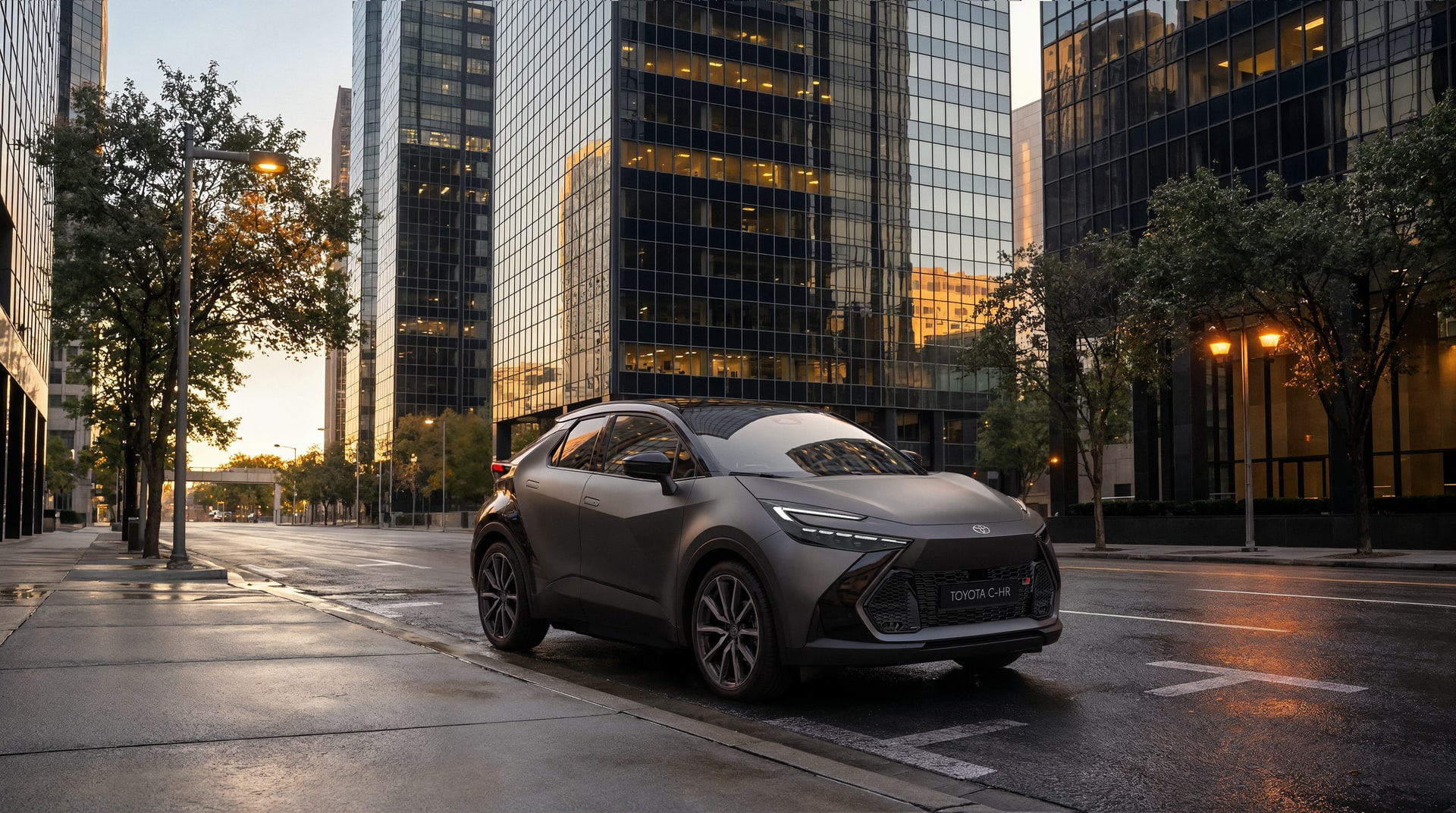
1. Toyota C-HR — from €30,050
The C-HR remains the benchmark in its segment for real-world consumption, and that shows in every item of the calculation. Its fourth-generation full hybrid system keeps the electric motor working in town considerably longer than its rivals, which translates into a noticeably lower annual fuel cost. In addition, its depreciation curve is the gentlest of the five, a point in its favour that offsets the fact that it is not the cheapest model to buy on the list.
| Power (kW) | Power (CV) | Consumption | Label | Fuel |
|---|---|---|---|---|
| 103 kW | 140 CV | 4.8 l/100 km | ECO | Hybrid |
2. Kia Sportage — from €27,770
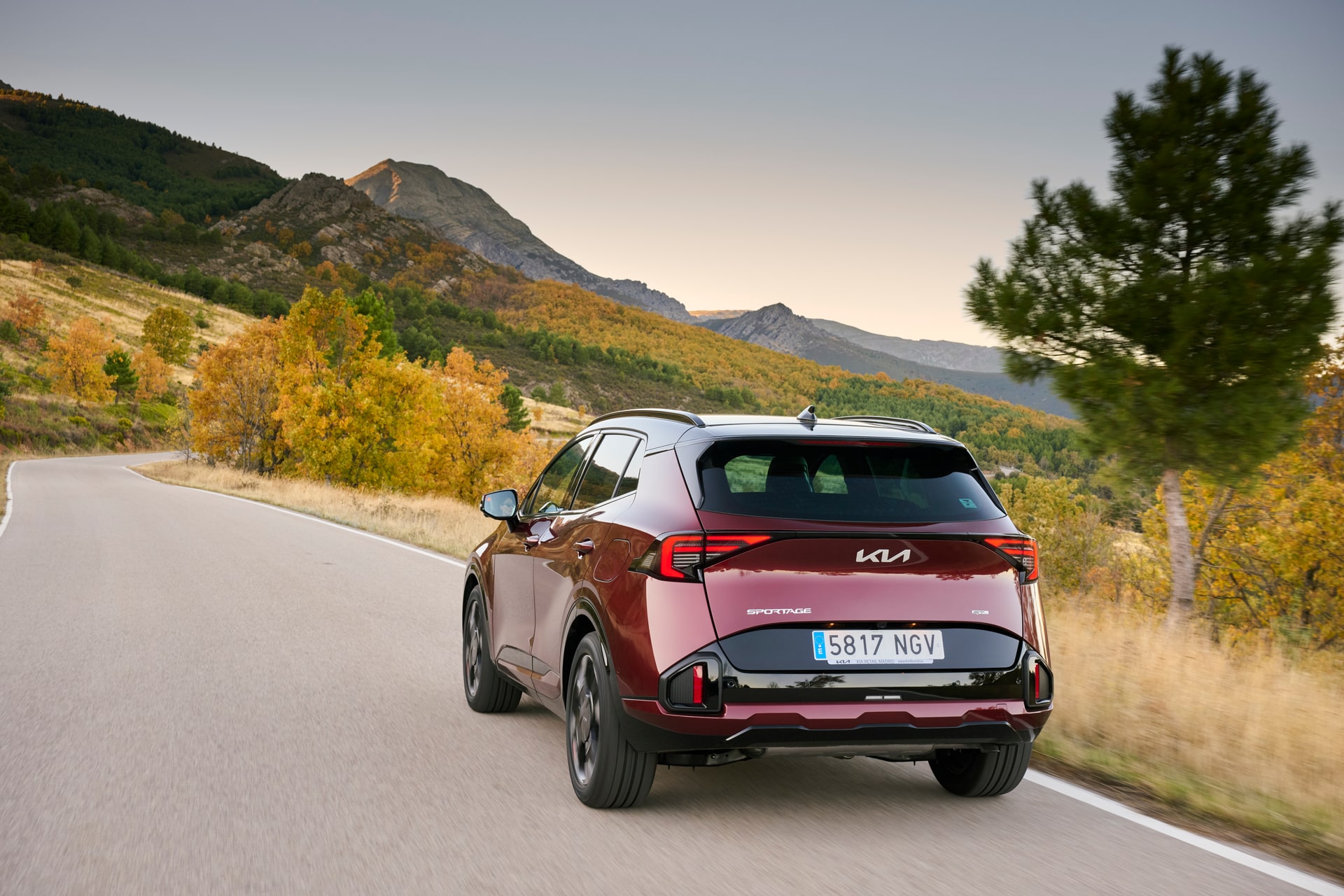
The hybrid Sportage wins people over through balance rather than excelling in any single item. It is not the most efficient of the group, but its official maintenance costs less than the segment average and its seven-year warranty supports resale value well, something used-car buyers value and which shows in its three-year residual.
| Power (kW) | Power (CV) | Consumption | Label | Fuel |
|---|---|---|---|---|
| 175 kW | 239 CV | 5.6 l/100 km | ECO | Hybrid |
 Hyundai Tucson
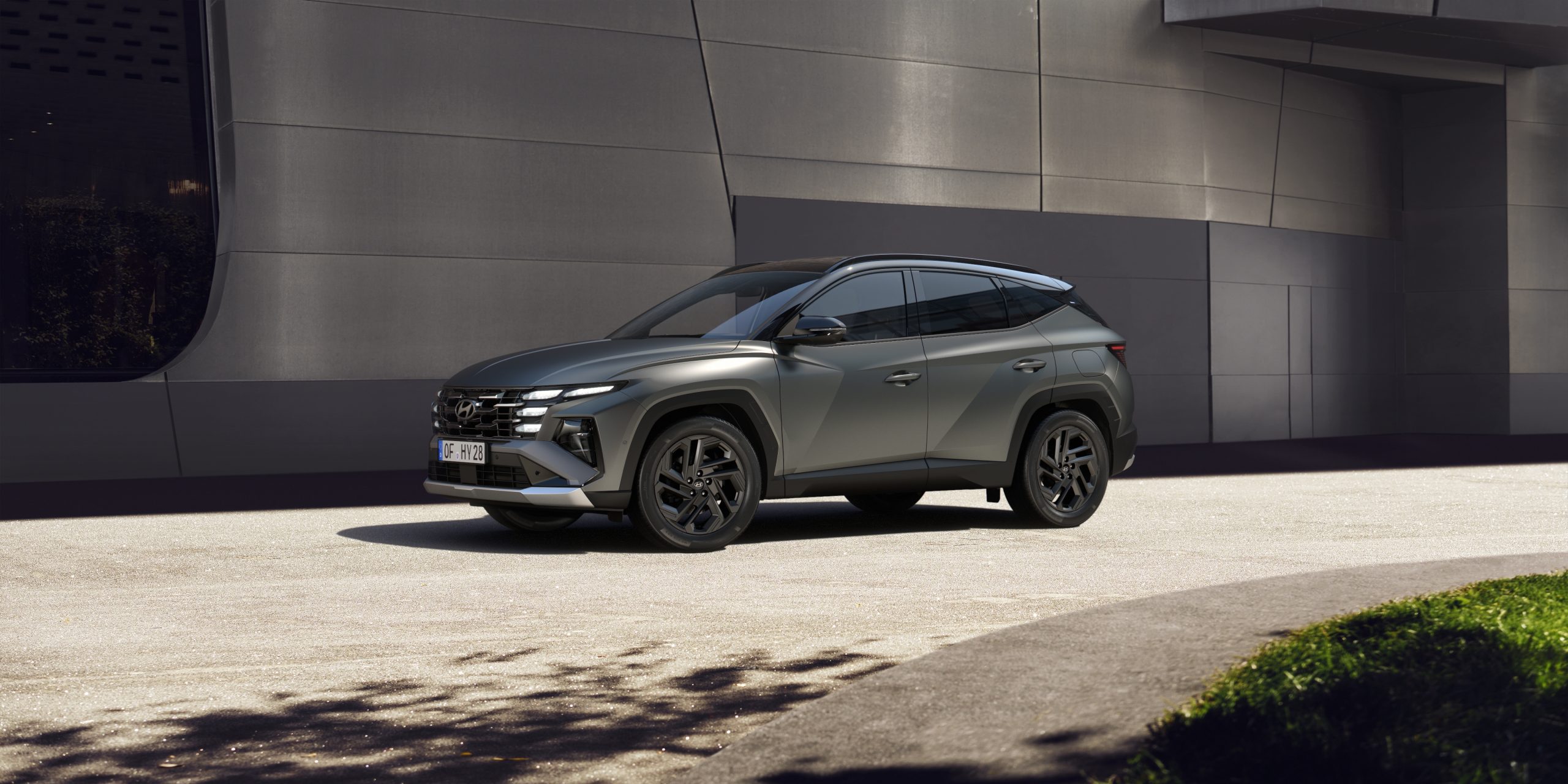
3. Hyundai Tucson — from €31,445
The hybrid Tucson, along with the Sportage, delivers the most power—239 combined CV that you feel when overtaking and when towing—but that figure comes with fine print: real consumption rises when the combustion engine is pushed on the motorway, and that penalises the annual tally compared with more restrained rivals. Even so, its position in the table is not bad at all for a car that offers considerably more punch than the rest.
| Power (kW) | Power (CV) | Consumption | Label | Fuel |
|---|---|---|---|---|
| 175 kW | 239 CV | 5.8 l/100 km | ECO | Hybrid |
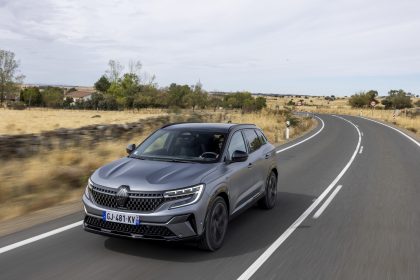
4. Renault Austral — from €35,990
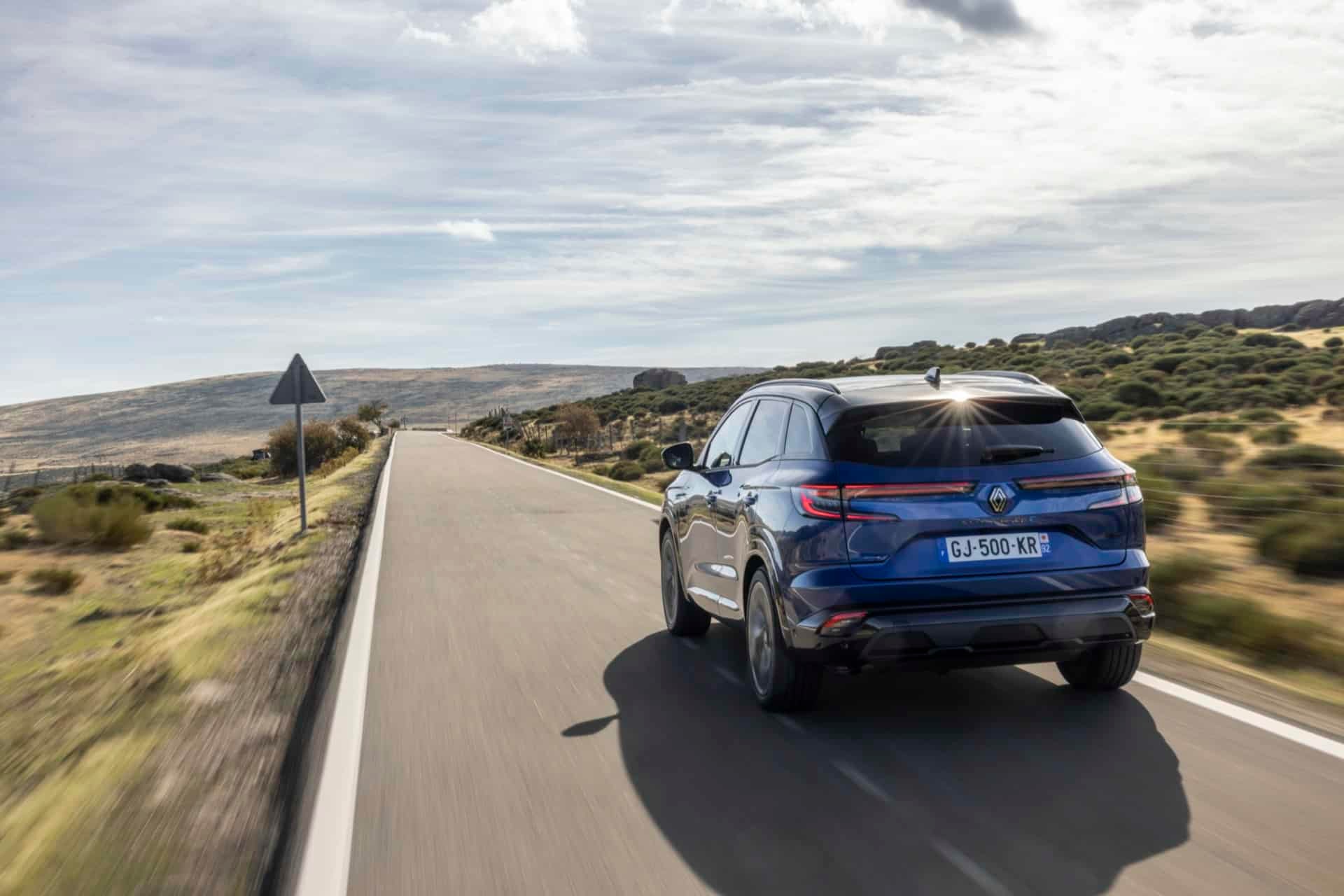
The Austral’s E-Tech full hybrid has a peculiar architecture—no clutch between the combustion engine and the wheels for much of the operating range—that works wonderfully in town and handles competently on the road. The problem for its position in this ranking is the starting price, the highest of the five apart from the Honda, which carries a somewhat more aggressive depreciation than its consumption would merit.
| Power (kW) | Power (CV) | Consumption | Label | Fuel |
|---|---|---|---|---|
| 147 kW | 200 CV | 5.0 l/100 km | ECO | Hybrid |
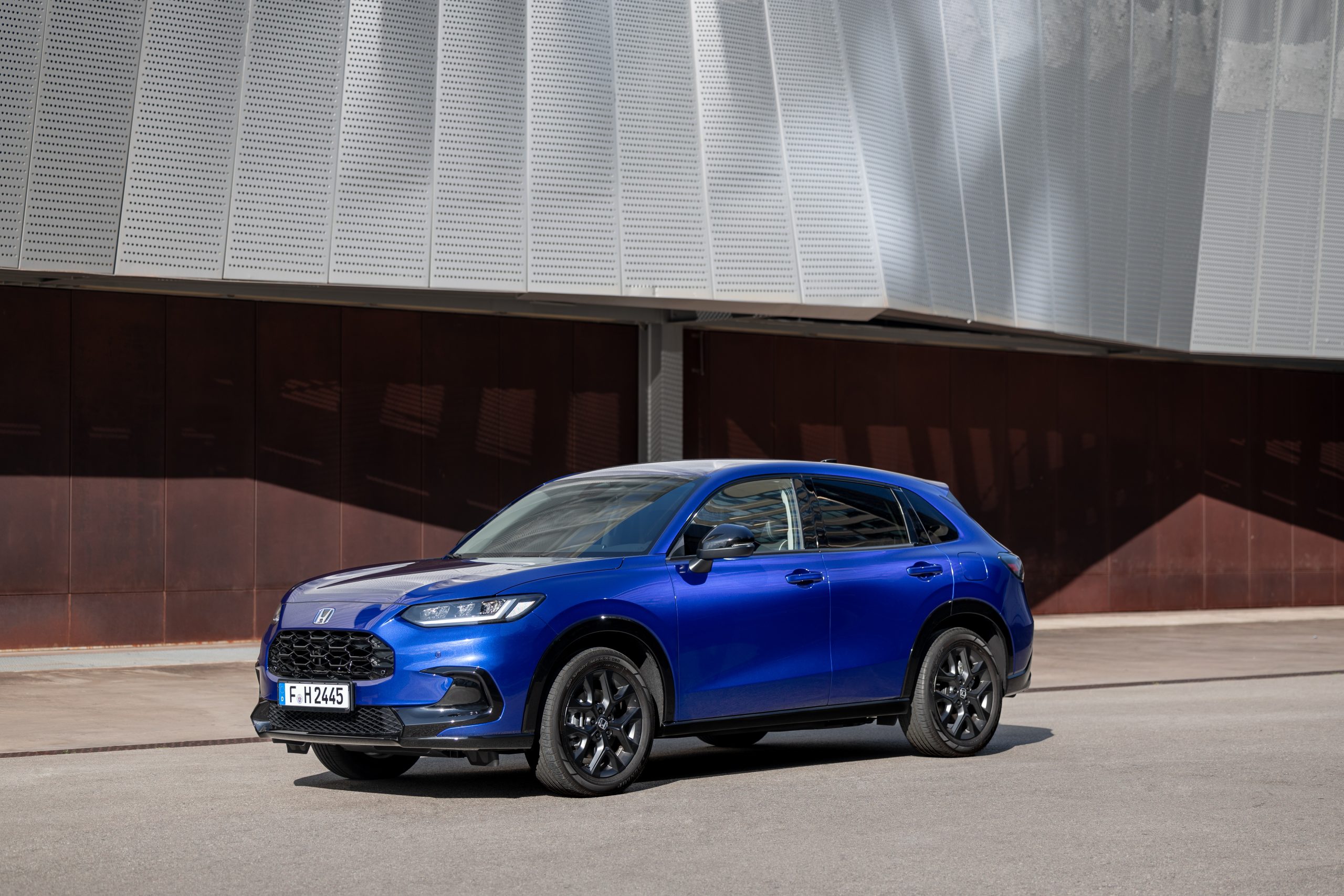 Honda ZR-V
5. Honda ZR-V — from €38,850
The ZR-V closes the table, and not because it is a bad car—in fact its e:HEV system is among the smoothest for everyday driving—but because it carries the highest price of the group, which weighs on both depreciation and insurance. Anyone looking for the most entertaining hybrid compact SUV to drive will probably prefer it regardless; anyone looking for the cheapest to maintain, not so much.
| Power (kW) | Power (CV) | Consumption | Label | Fuel |
|---|---|---|---|---|
| 135 kW | 184 CV | 5.3 l/100 km | ECO | Hybrid |
Summary table: annual running cost comparison
| Model | Price from | Estimated annual cost (20,000 km) | Cost per km | TCO score (1-10) |
|---|---|---|---|---|
| Toyota C-HR | €30,050 | €6,692 | €0.335 | 9.4 |
| Kia Sportage | €27,770 | €7,283 | €0.364 | 8.6 |
| Hyundai Tucson | €31,445 | €7,568 | €0.378 | 8.2 |
| Renault Austral | €35,990 | €7,650 | €0.383 | 7.9 |
| Honda ZR-V | €38,850 | €8,134 | €0.407 | 7.3 |
Between the first and the last there is a difference of €1,442 a year. Over three years, that is more than €4,300 of difference for the same type of car, with comparable performance and identical use. That is where TCO stops being a theoretical exercise and becomes real money that leaves—or doesn’t leave—your account.
Which items drive up the cost without you noticing
Depreciation is by far the variable that most distorts any rough calculation. A buyer who only looks at fuel consumption can get an unpleasant surprise when trying to sell the car after three years and discovering they have lost 45% of its value instead of the 40% they expected. Insurance also varies more than it seems between brands with the same power output: each model’s historical claims record weighs on the final premium, and that appears in no technical data sheet.
It is also worth remembering that if the purchase is being considered with public aid, the reference framework in Spain remains the Plan Auto+, whose exact amount should always be checked on the official website before making any final calculation.
Our verdict
The Toyota C-HR wins this ranking comfortably, and it does so without tricks: it is neither the cheapest to buy nor the most powerful, but it is the one that demands the least money from your pocket month after month. If what you are looking for is the hybrid compact SUV with the best equipment-to-price ratio within the Japanese family, we have already compared the Toyota C-HR against the Honda ZR-V in depth and the conclusions pointed the same way. The Kia Sportage stands as the most reasonable alternative for those who want more power without pushing up running costs, and the Hyundai Tucson remains the choice if engine punch matters more than end-of-month savings.
Frequently asked questions
What is the cheapest hybrid compact SUV to maintain in Spain in 2026?
According to our TCO calculation at 20,000 km per year, the Toyota C-HR has the lowest running cost, at €6,692 a year compared with the more than €8,100 of the Honda ZR-V.
Which item weighs most in the total cost of a hybrid compact SUV, fuel or depreciation?
Depreciation. In the five models analysed it accounts for between 60% and 65% of the total annual cost, far above fuel, which hovers around 20-24%.
Is it worth paying more for a hybrid compact SUV with more power, such as the Hyundai Tucson?
It depends on use. If you do a lot of motorway driving or regularly tow, the Tucson’s 239 CV will be noticeable; for standard mixed urban-interurban use, the extra cost does not translate into a proportional improvement in day-to-day experience.
Do these running cost calculations apply to any driver?
They are a reference for a profile of 20,000 km per year with mixed use. Those who mainly drive in town will reduce the weight of fuel in the total; those who do more motorway driving will see it increase, especially in models whose WLTP consumption is further from real-world figures.
Technical specifications of the cars in this article

 Kia offers an electric range of 10 models, 50 versions and 400 possible combinations
 The seven finalists for the 2027 European Car of the Year (COTY) are exclusively electric
 Peugeot E-208 GTi: a battery-powered toy that revives the spirit of the 1980s sports cars
Deja un comentario