BMW EV6 Hyundai i4 IONIQ IONIQ 6 KIA Leaf Megane Model 3 Nissan Renault Tesla Electric Cars Compact Tests Rankings
2026 ranking: the 5 most motorway-efficient electric compacts on the Spanish market
 Iván Navarro
4 September 2026
6 min.
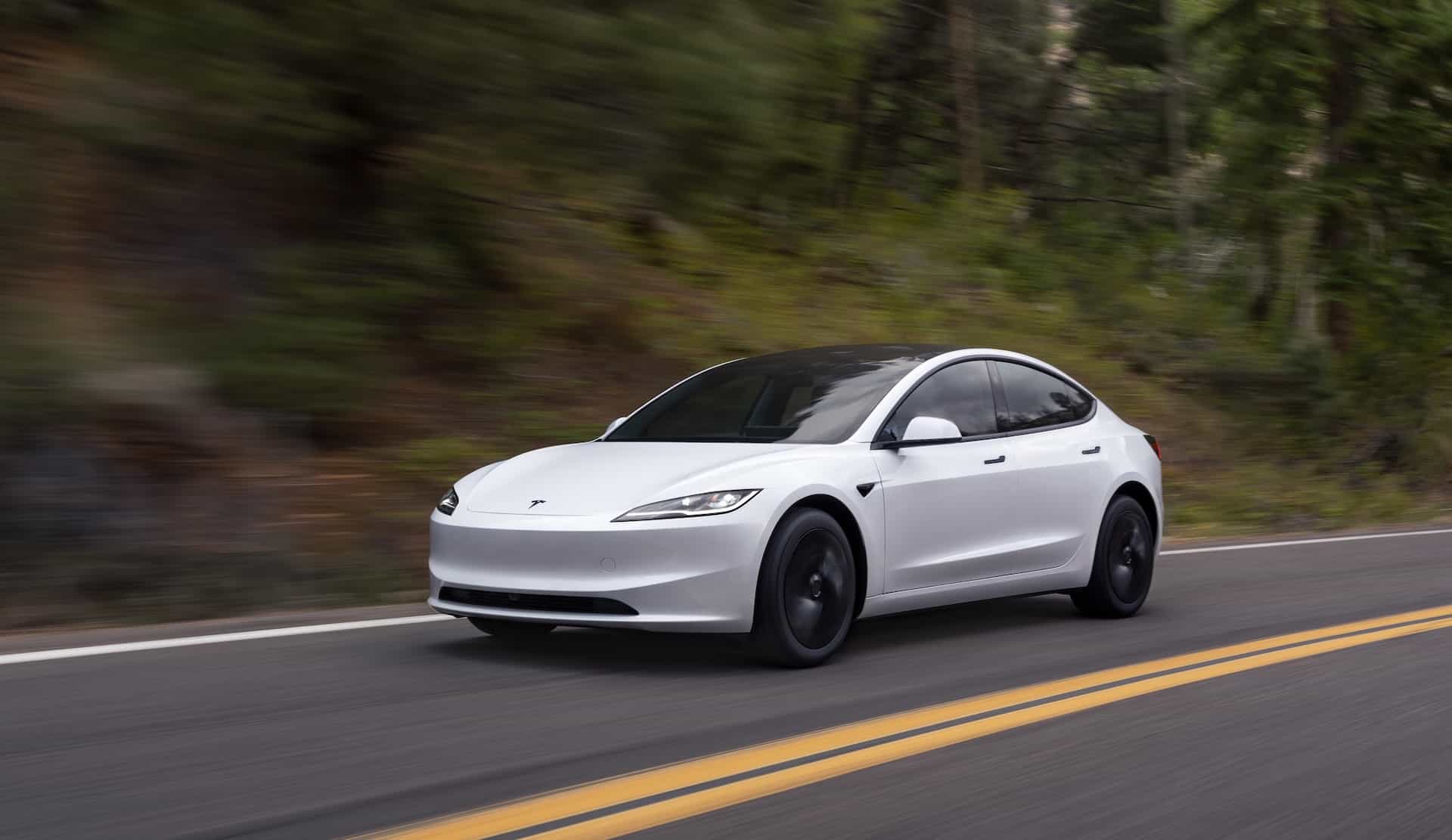
We analyse which electric compacts perform best at 120 km/h on Spanish motorways, with real consumption figures and usable range for 2026. A ranking focused on aerodynamic efficiency, thermal management and real kWh per 100 kilometres.
The motorway is the great test for the electric car. This is where inflated WLTP figures fall apart, aerodynamics are laid bare and the truth about consumption emerges. At 120 km/h — or the occasional 130 that real traffic on the AP-7 tolerates on any given Tuesday — a compact electric can see its theoretical range collapse by 30% or, if well engineered, by barely 15%. That is the difference between a comfortable journey and a charging stop you had not planned.
This ranking deliberately leaves out two names. The BYD, because in our view it is better suited to a comparison by user profile than to a pure motorway efficiency analysis, and we prefer to address it in another format. And the Nissan Leaf: it was a pioneer, nobody disputes that, but in our opinion the new generation of electric compacts has raised expectations a notch in real-world range, charging curve and digital experience, and this ranking does demand that. With that clarified, let us get down to business.
How we measured real efficiency at 120 km/h
We use the homologated WLTP consumption as a reference and apply the correction factor that practice has taught us in constant-speed motorway tests: between 25% and 40% more consumption than the mixed cycle, depending on drag coefficient, weight, battery thermal management and tyre width. The figure you will see on each sheet is the usable range at 120 km/h on the flat, with moderate air conditioning and an ambient temperature of 15-20 °C. Neither a scorching summer nor a punishing winter. Spanish motorway cruising.
The result, I can tell you in advance, rewards cars with a low Cx, a large battery and a restrained power-to-mass ratio. 400 CV rockets do not come out well in this picture.
1. Tesla Model 3 Long Range — from 44,990 € RWD / 48,990 € AWD
It remains the reference. The restyled Model 3 squeezes a Cx of 0.219 and a native electric platform that is especially noticeable on the motorway: around 16.5 kWh/100 km at 120 km/h in favourable conditions. With a usable battery of between 75 and 82 kWh, we are talking about roughly 470-480 real kilometres between stops. Few rivals keep up that pace without breaking a sweat.
| Power kW | Power CV | Top speed | WLTP range | Motorway consumption | Label | Fuel |
|---|---|---|---|---|---|---|
| 320 kW RWD / 366 kW AWD | 320 CV RWD / 498 CV AWD | 201 km/h | 750 km RWD / 716 km AWD | 16.5 kWh/100 km | ZERO | Electric |
2. Hyundai IONIQ 6 — from 44,650 € (63 kWh)
The Korean saloon does not technically fall into the “compact hatchback” category, but by size and price it competes in the same league, and on the motorway it is probably the most efficient electric car on the market. Cx of 0.21, a teardrop shape studied to the millimetre and an 800 V battery thermal management system that penalises consumption less at high speed. It hovers around 15.8-16.2 kWh/100 km at 120 km/h. On paper, it beats the Tesla. In practice, the difference depends on the wind and the tyres.
| Power kW | Power CV | Top speed | WLTP range | Motorway consumption | Label | Fuel |
|---|---|---|---|---|---|---|
| 168 kW | 228 CV | 185 km/h | 680 km (84 kWh RWD) | 16.0 kWh/100 km | ZERO | Electric |
We already saw in the duel between the IONIQ 6 and the Model 3 that the difference comes down to very fine details.
3. BMW i4 eDrive40 — from 65,550 € RRP
Here the price goes up and the argument changes. The i4 is not the most aerodynamic of the group — its Cx comes close to 0.24 — but it makes up for that with outstanding energy management and a rear-wheel-drive powertrain that performs very well on the flat. On the motorway it ranges between 17.5 and 18.5 kWh/100 km. It is not the most frugal, but it is the most refined. And on a long journey, that is appreciated more than the spreadsheet suggests.
| Power kW | Power CV | Top speed | WLTP range | Motorway consumption | Label | Fuel |
|---|---|---|---|---|---|---|
| 250 kW | 340 CV | 190 km/h | 613 km | 18.0 kWh/100 km | ZERO | Electric |
4. Kia EV6 RWD Long Range — from ~40,820 €
The EV6 has been on the market for several years now, but its 800 V architecture and power-to-efficiency ratio keep it current. On the motorway it hovers around 18 kWh/100 km, slightly above the IONIQ 6 despite sharing its platform — the SUV body takes its toll on Cx. Even so, with an 84 kWh battery and a charging curve that is still among the best in the segment, its overall efficiency (kWh consumed per hour of real travel, charging stop included) is outstanding.
| Power kW | Power CV | Top speed | WLTP range | Motorway consumption | Label | Fuel |
|---|---|---|---|---|---|---|
| 168 kW | 229 CV | 186 km/h | 582 km | 18.0 kWh/100 km | ZERO | Electric |
5. Renault Megane E-Tech EV60 — from 34,574 €
The only European on the ranking, and the only one under 40,000 euros. The Megane E-Tech does not have the battery of its rivals — 60 usable kWh — but it is notably light (1,708 kg) and its Cx of 0.29 is reasonable for a pure hatchback. It hovers around 17.5 kWh/100 km at 120 km/h, which translates into roughly 320-340 real motorway kilometres. It is not the absolute champion, but on price and on kWh/km ratio it remains a very sensible proposition for anyone who does not drive 800 km every weekend.
| Power kW | Power CV | Top speed | WLTP range | Motorway consumption | Label | Fuel |
|---|---|---|---|---|---|---|
| 160 kW | 220 CV | 160 km/h | 468 km | 17.5 kWh/100 km | ZERO | Electric |
Summary table and editorial score
We score from 1 to 10, weighting consumption at 120 km/h, usable range, fast-charging curve and price/efficiency balance. The Plan Auto+ aid may modify the final cost; check the official website for the current amount.
| Model | Consumption at 120 km/h | Usable range | Price from | Score |
|---|---|---|---|---|
| Tesla Model 3 LR | 16.5 kWh/100 | ~475 km | 44,990 € RWD / 48,990 € AWD | 9.3 |
| Hyundai IONIQ 6 | 16.0 kWh/100 | ~470 km | 44,650 € | 9.2 |
| BMW i4 eDrive40 | 18.0 kWh/100 | ~430 km | 65,550 € | 8.4 |
| Kia EV6 RWD LR | 18.0 kWh/100 | ~440 km | 40,820 € | 8.6 |
| Renault Megane E-Tech | 17.5 kWh/100 | ~330 km | 34,574 € | 8.0 |
Frequently asked questions
Which electric compact consumes least at 120 km/h in 2026?
According to our measurements, the Hyundai IONIQ 6 is the most efficient at motorway speed, at around 16 kWh/100 km, thanks to its Cx of 0.21 and its 800 V architecture. The Tesla Model 3 Long Range is a very narrow second.
Why does the WLTP range not match the real motorway range?
The WLTP cycle is measured at average speeds much lower than 120 km/h. Aerodynamic drag grows with the square of speed, so on the motorway consumption can rise by between 25% and 40% compared with the homologated mixed figure.
Does an electric car pay off if I often drive on the motorway?
It does if you choose a model with a sufficient battery (at least 75 usable kWh for trips of 400+ km) and a fast-charging curve sustained above 150 kW. Otherwise, stops become longer and the saving compared with an efficient diesel narrows.
What influences efficiency at 120 km/h more: weight or aerodynamics?
At constant motorway speed, aerodynamics rule. Weight matters more in town and during acceleration. That is why a low, sleek saloon such as the IONIQ 6 performs better on the motorway than a heavy SUV, even though the SUV has a bigger battery.
Technical specifications of the cars in this article

 Peugeot E-208 GTi: a battery-powered toy that revives the spirit of the 1980s sports cars
 New Lexus ES: luxury grows and goes electric
 First contact with the Dacia Sandero Hybrid 155: power and efficiency from €19,890
Deja un comentario