Audi BMW Cupra e-tron ES90 EX40 Formentor GLA León Mercedes Q4 Volvo X1 XC40 Hybrid Cars Compact Buying Guides Rankings
2026 ranking: the 5 PHEV compacts with the longest real-world electric range on the Spanish market
 Iván Navarro
2 October 2026
6 min.
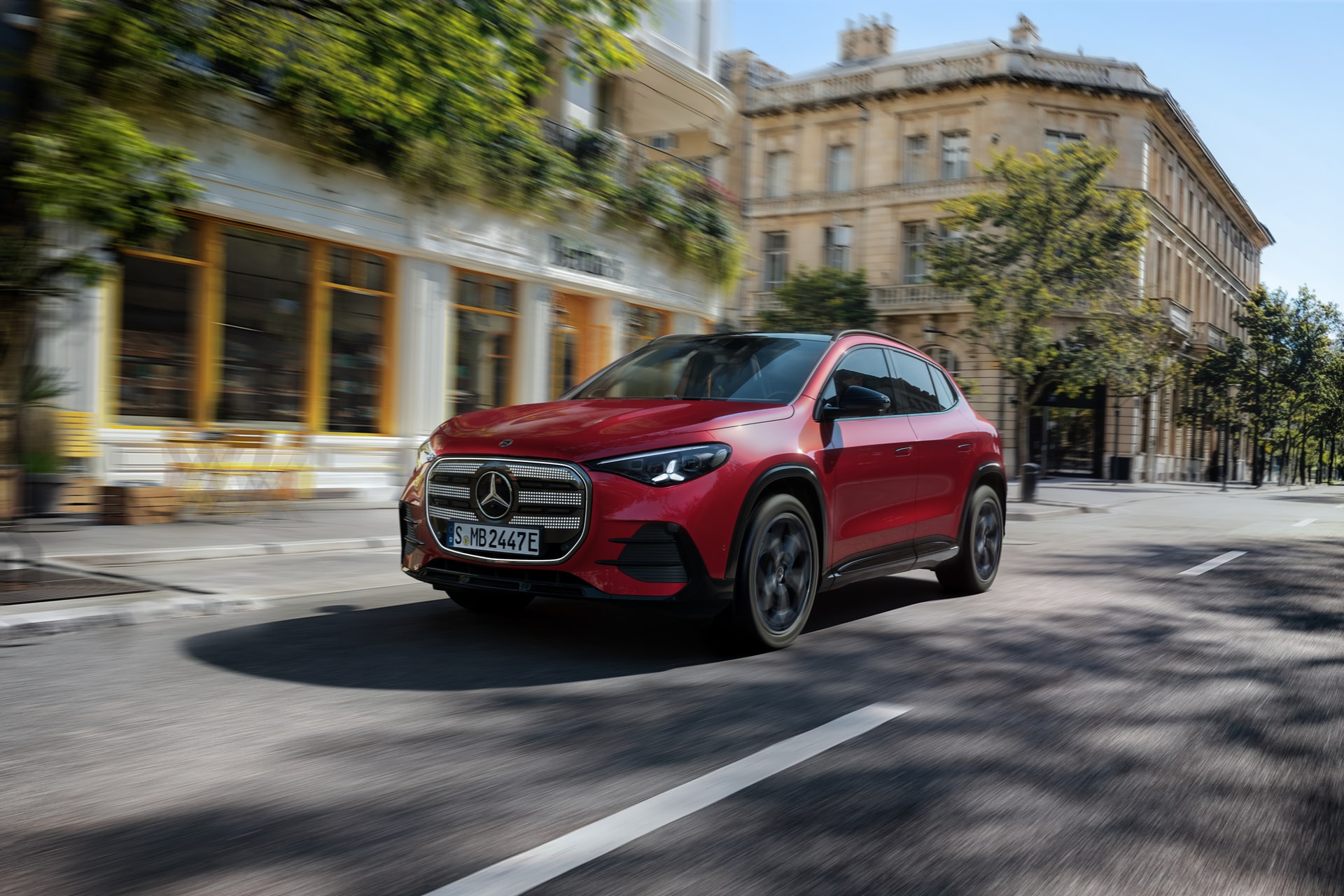
The compact PHEV is going through an interesting moment. Three years ago, the norm was to promise 50 kilometres of electric driving and deliver 35 with luck. Today, new-generation compact plug-in hybrids are homologated at over 90 km WLTP and, in real use, several come close to or exceed 70. Enough to cover the average working week without touching the petrol pump.
This ranking covers the five compact PHEVs with the longest electric range currently available at Spanish dealerships. We have cross-checked WLTP homologation with consumption observed in road tests and user reports to give a realistic figure. No brochure numbers.
Why real-world electric range matters more than WLTP
The WLTP cycle is a good starting point, but it measures what it measures: controlled conditions, mild temperature, gentle driving. In practice, a compact PHEV loses between 15% and 25% of its electric range compared with the official figure. More if you use air conditioning in winter, load the boot, or drive at 120 km/h on the motorway.
For this ranking we applied a simple rule: estimated real range = WLTP − 20% on average. It is not an exact science — it depends on the driver, the profile and the climate — but it is an honest floor. If a manufacturer homologates 100 km, expect 75-80 real kilometres.
Selection criteria: segment C, PHEV and availability in Spain
We filtered by three strict criteria. First, segment C (compacts between 4.2 and 4.6 metres, including saloons, hatchbacks and crossovers competing in the same range). Second, plug-in hybrid drivetrain with a CERO label. Third — and this excludes several interesting candidates — being on sale in Spain in 2026 with an active dealer network.
The context: why the European premium segment is accelerating towards 100% electric
Volvo is the textbook case. The Swedish brand has refocused its compact range towards pure electric with the EC40 and the new ES90 saloon, leaving the PHEV as a transitional solution on existing models. This is no coincidence: the manufacturer has spent years saying that plug-in hybrids, in its view, are a bridge towards the BEV. A useful bridge, certainly, for those who do not yet have a charger at home or make many long journeys.
The rest of the European premium sector is following suit. BMW and Mercedes-Benz are keeping their compact PHEVs with ever more generous ranges — a final push before the definitive transition. In our view, it is the most mature moment of the segment. And probably the last golden age before the offer shrinks.
1. Mercedes-Benz GLA 250 e – from €56,000
The GLA 250 e is, with due respect to the BMW, the compact PHEV with the best electric homologation on the market. Mercedes declares up to 75 km WLTP thanks to a 12.9 kWh usable battery — a generous figure for the segment. In real practice, we are talking about 60-65 km in mixed driving. Enough for most weekly urban journeys. It accepts DC charging up to 22 kW, which is unusual for PHEVs and solves intermediate stops on long trips.
2. BMW X1 xDrive30e – from €59,200
The plug-in X1 combines 326 CV with a WLTP electric range of close to 90 km (76-83 km). Its best feature: electric mode management, among the most refined in the segment. What does not quite convince me: the final price with options escalates easily. In real use, 65-70 electric km are perfectly achievable if you do not abuse the motorway.
3. Peugeot 308 Hybrid 195 – from €39,530
The lion’s saloon is homologated at 85 km WLTP in its most recent version, thanks to an enlarged 17.2 kWh gross battery. It is also the only one in this ranking that comes in below €42,000. In practice, 65 real km. The balance between price, design and electric range makes it the most rational compact PHEV of the moment — to my taste, the one that best balances ambition and pragmatism.
4. Cupra Formentor e-Hybrid – from €40,460
The plug-in Formentor raises the bar with 204 CV and a 19.7 kWh usable battery, which allows homologation at around 120 km WLTP (115-125 km). In real use, 85-95 km. A notable leap over the previous generation. That said, it is not a conservative compact: its dynamic approach shows in the suspension and steering.
5. Lynk & Co 08 – from €52,995 RRP
The 08 is the most aggressive PHEV in this ranking for range: its homologation exceeds 200 km electric WLTP thanks to a 39.6 kWh battery. Practically an electric car with a petrol safety net. In real use, 150-170 km. For many users it will work as a BEV for months. A model that, as we already saw in the showdown with the Omoda 9, redefines what should be expected of a plug-in today.
Ranking summary table
| Position | Model | WLTP range | Estimated real range | Price from | Score |
|---|---|---|---|---|---|
| Lynk & Co 08 | ~200 km | 150-170 km | €52,995 | 9.4 | |
| Cupra Formentor e-Hybrid | 115-125 km | 85-95 km | €40,460 | 8.7 | |
| BMW X1 xDrive30e | 76-83 km | 65-70 km | €59,200 | 8.3 | |
| Peugeot 308 Hybrid 195 | ~85 km | ~65 km | €39,530 | 8.2 | |
| Mercedes-Benz GLA 250 e | 75 km | 60-65 km | €56,000 | 8.0 |
Indicative prices. Manufacturer’s recommended RRP without dealer discounts, one-off promotions or purchase aid such as Plan Auto+. Check the updated figure before closing a deal.
Which compact PHEV to choose according to your profile
If you drive fewer than 60 km a day and charge at home, any of the top 5 will serve you well. If you do 100-150 km daily and want to make the most of electric driving, the Lynk & Co 08 is the only one that allows it without intermediate recharges. If you are looking for pure premium, Mercedes-Benz and BMW remain the benchmark — though the price jump over the Peugeot or Cupra for similar use is considerable.
A final note: the near future of the segment is going fully electric. Volvo has already taken that step with its BEV range, and the rest will arrive sooner than it seems. Buying a PHEV now makes sense as a transition, not as a ten-year bet.
Frequently asked questions
How long does a compact PHEV battery last in real use?
Typical degradation is 10-15% at 100,000 km. Most manufacturers guarantee the battery for 8 years or 160,000 km with a minimum capacity of 70%.
Can I drive into Madrid Central or a Low Emission Zone with a PHEV?
Yes. All the compact PHEVs in this ranking carry the DGT CERO label, which allows unrestricted access to Spanish city LEZs, including Madrid and Barcelona.
Does a PHEV make more sense than a pure electric car in 2026?
It depends on your profile. If you have no charger at home or make frequent long journeys of over 400 km, the PHEV still makes sense. If you charge in a garage and usually drive fewer than 300 km a day, a BEV pays off more in the medium term.
Are there public subsidies currently available to buy a PHEV in Spain?
Yes, Plan Auto+ is the current framework of state aid for electrified vehicles, including plug-in hybrids with a CERO label. The exact amounts and requirements should be checked on the official plan website, as they are updated periodically.
Technical specifications of the cars in this article

 Peugeot E-208 GTi: a battery-powered toy that revives the spirit of the 1980s sports cars
 New Lexus ES: luxury grows and goes electric
 First contact with the Dacia Sandero Hybrid 155: power and efficiency from €19,890
Deja un comentario