Electric Cars Buying Guides Rankings
2026 Ranking: the 6 electric SUVs with the most efficient fast charging under €50,000
 Iván Navarro
2 August 2026
5 min.
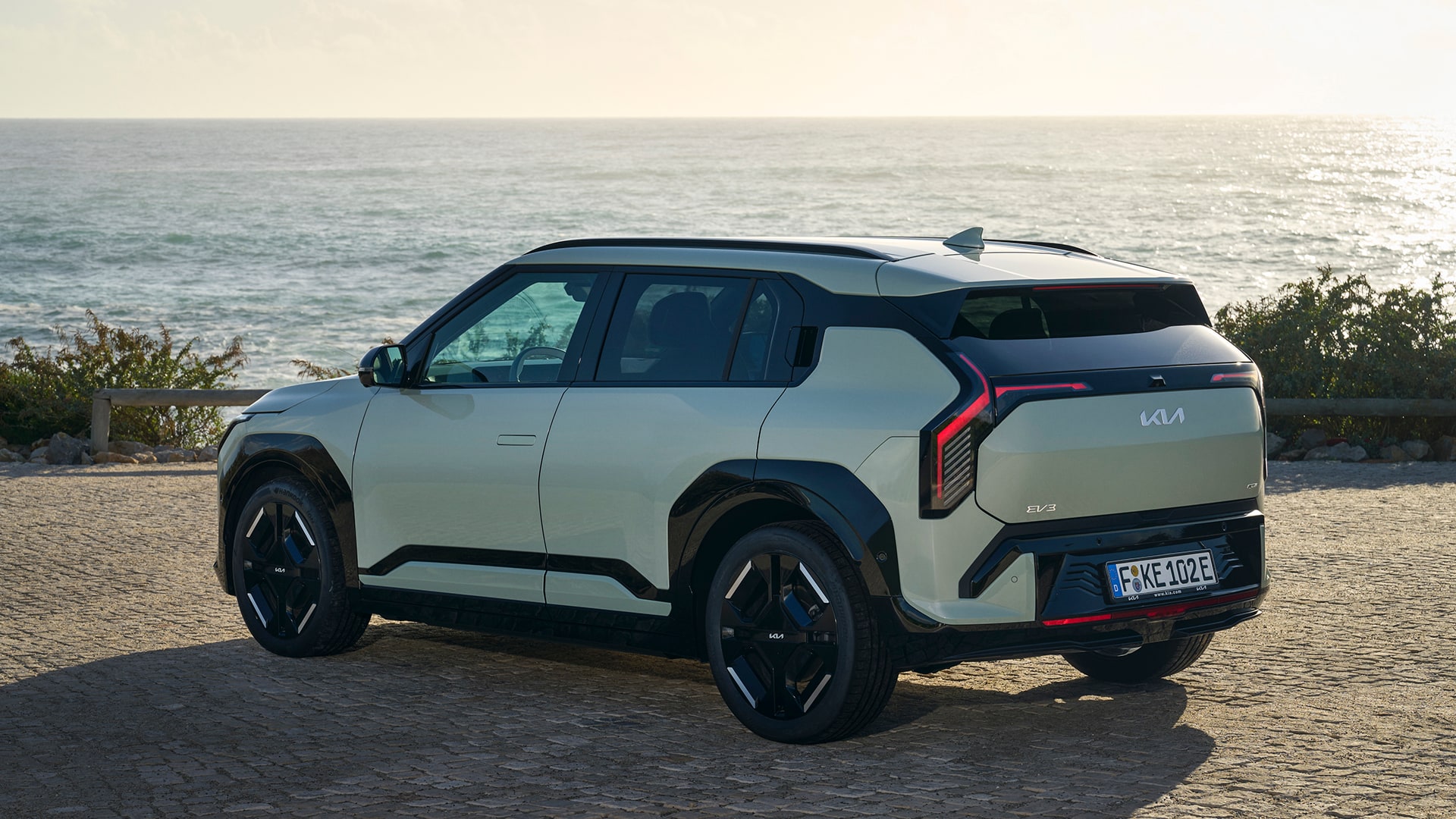
Six electric SUVs under €50,000 analysed by peak DC charging power, real-world 10-80% time and WLTP consumption. A ranking to find out which one makes each stop pay off best.
Fast charging has become the true battlefield of the electric car. WLTP range is no longer enough as a commercial argument: what separates a usable electric SUV from one that only serves the urban radius is how long it takes to recover 70% of its battery at a service station on the AP-7. And there, below €50,000, the differences are huge.
We have put together the ranking from six models available today at Spanish dealerships. No Chinese announcements that haven’t yet cleared customs. No versions designed for North America. Only what a customer can sign for tomorrow.
How we measured: peak power, charging curve and kWh/100 km
The peak power manufacturers advertise is a snapshot of a single instant. What matters is the full curve between 10 and 80% SoC, because that is where real stop time is decided. A car that promises 150 kW but holds it for ten minutes can lose out to one that claims 130 kW and sustains it for half an hour. It is questionable whether it pays to focus only on the headline figure.
In this comparison we have crossed three variables: homologated peak DC power, official 10-80% time and combined WLTP consumption. Efficiency matters as much as charging speed — there is no point plugging in at 175 kW if the car then uses 21 kWh/100 km on the motorway. Something we already analysed in detail in why the advertised maximum power doesn’t tell the whole story.
1. Kia EV3 Long Range — from €39,990
The EV3 is, to my taste, the finest balance in the ranking. It is not the fastest at peak charging (128 kW), but it maintains an enviably flat curve and its homologated consumption hovers around 14.9 kWh/100 km. Official 10-80% time: 31 minutes. Nothing epic on paper, very solid in practice.
| Power kW | Power CV | Top speed | Range | Consumption | Label | Fuel |
|---|---|---|---|---|---|---|
| 150 kW | 204 CV | 170 km/h | 605 km | 14.9 kWh/100 km | ZERO | Electric |
2. Hyundai Kona Electric 65.4 kWh — from €39,500
The Kona does not reach the heights of the E-GMP platform of its bigger siblings, but it packs 102 kW peak DC and a 10-80% in 41 minutes. It is quick, yes, but it is not as enjoyable to drive as one would expect from the group Hyundai. That said, its real-world consumption on mixed routes makes up for the somewhat timid curve.
| Power kW | Power CV | Top speed | Range | Consumption | Label | Fuel |
|---|---|---|---|---|---|---|
| 160 kW | 218 CV | 172 km/h | 514 km | 16.6 kWh/100 km | ZERO | Electric |
3. Renault Scenic E-Tech 87 kWh — from €42,000
The electric Scenic is a surprise. 150 kW peak DC, 32 official minutes for 10-80% and remarkable efficiency for an SUV of its size. A weekend Madrid–Cádiz with a single long stop is achievable without breaking a sweat. The battery cooling is better resolved than in the previous generation of the Mégane, and that shows during harsh summers.
| Power kW | Power CV | Top speed | Range | Consumption | Label | Fuel |
|---|---|---|---|---|---|---|
| 160 kW | 218 CV | 170 km/h | 625 km | 16.3 kWh/100 km | ZERO | Electric |
4. Peugeot E-3008 73 kWh — from €45,500
The STLA Medium platform finally delivers what Stellantis owed. 160 kW peak DC, 30 minutes for 10-80% and contained consumption. The interior feels a step above the average of recent French models, with a well-executed panoramic i-Cockpit. In our view the steering could use a bit more weight, but when it comes to charging it is among the most efficient in the segment.
| Power kW | Power CV | Top speed | Range | Consumption | Label | Fuel |
|---|---|---|---|---|---|---|
| 157 kW | 213 CV | 170 km/h | 525 km | 17.2 kWh/100 km | ZERO | Electric |
5. Smart #1 Pro+ — from €39,490
The Smart #1 has just taken a big leap with the new 800V architecture and a 6C-charging battery, although for now the version arriving in Spain keeps 150 kW peak DC at 400V. A 10-80% in around 30 minutes and reasonable homologated consumption for a car with these dynamic ambitions. Even so, it remains to be seen whether the 800V generation soon reaches Spanish dealerships.
| Power kW | Power CV | Top speed | Range | Consumption | Label | Fuel |
|---|---|---|---|---|---|---|
| 200 kW | 272 CV | 180 km/h | 440 km | 16.8 kWh/100 km | ZERO | Electric |
6. Skoda Elroq 85 — from €43,100
The Elroq closes the ranking with the most compelling argument in peak figures: 175 kW DC. A 10-80% in just 28 minutes according to the manufacturer’s homologation, and a battery of 82 usable kWh that brings peace of mind. It is the rational reading of the MEB platform of Volkswagen, with efficiency noticeably better than the ID.4 of a couple of years ago.
| Power kW | Power CV | Top speed | Range | Consumption | Label | Fuel |
|---|---|---|---|---|---|---|
| 210 kW | 286 CV | 180 km/h | 580 km | 16.0 kWh/100 km | ZERO | Electric |
Summary table with score
| Model | Price from | Peak DC | 10-80% | WLTP consumption | Range | Score /10 |
|---|---|---|---|---|---|---|
| Skoda Elroq 85 | €43,100 | 175 kW | 28 min | 16.0 kWh | 580 km | 9.2 |
| Kia EV3 LR | €39,990 | 128 kW | 31 min | 14.9 kWh | 605 km | 9.0 |
| Renault Scenic E-Tech | €42,000 | 150 kW | 32 min | 16.3 kWh | 625 km | 8.8 |
| Peugeot E-3008 | €45,500 | 160 kW | 30 min | 17.2 kWh | 525 km | 8.4 |
| Smart #1 Pro+ | €39,490 | 150 kW | 30 min | 16.8 kWh | 440 km | 7.9 |
| Hyundai Kona EV | €39,500 | 102 kW | 41 min | 16.6 kWh | 514 km | 7.5 |
Frequently asked questions
Which electric SUV under €50,000 charges fastest in 2026?
The Skoda Elroq 85, with 175 kW peak DC and an official 10-80% in 28 minutes, is the fastest in the ranking on an accessible 400V platform.
Is it worth paying for high peak power if I don’t travel much?
Not always. If 90% of your use is urban and you charge at home, an EV3 or a Kona with a modest DC curve will give you better overall efficiency and a lower purchase price.
How much does WLTP consumption affect real charging time?
A great deal. A car consuming 14.9 kWh/100 km needs to charge less energy for the same journey than one using 17 kWh, even if the second charges at a higher kW.


 Peugeot E-208 GTi: a battery-powered toy that revives the spirit of the 1980s sports cars
 New Lexus ES: luxury grows and goes electric
 First contact with the Dacia Sandero Hybrid 155: power and efficiency from €19,890
Deja un comentario