3 reasons why modern cars are getting heavier and heavier
 Jaime Gomez
20 April 2017
2 min.
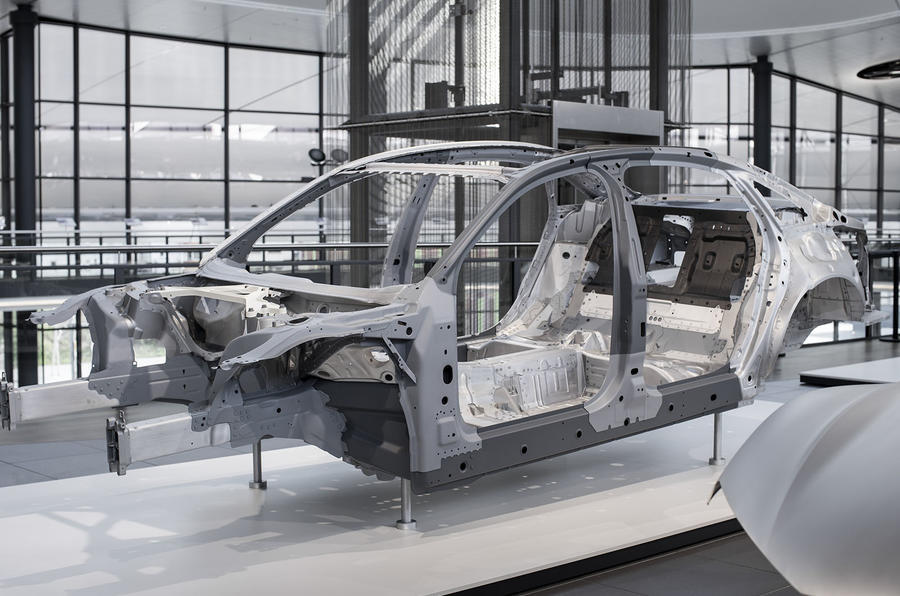
Lightweight construction is not the only factor that affects a car’s total weight. We detail 3 factors that increase its weight
The lightweight construction of the new generation of the Audi A8 has been much talked about in recent weeks, but did you know that its body weighs 51 kilos more than that of its predecessor?
So what is the problem? The weight of a car is not only based on using lightweight materials, but also on the number of components the vehicle incorporates. Below we analyse the three factors that contribute to the increase in weight in modern cars.
1. Increase in equipment
Manufacturers say that consumers increasingly demand more accessories in their cars; elements that inevitably increase the total weight of the vehicle. The air conditioning, infotainment and connectivity systems, multifunction seats, air suspension or the use of larger wheels all have a negative effect on a car’s weight.
2. Increased safety: emergency systems, ABS… everything adds up
There was a time when a car’s safety equipment was limited to brakes. Today, vehicles have ABS, DSC, a large number of airbags or autonomous emergency braking systems, an essential element for a model to earn the five stars of Euro NCAP. All these elements add weight, just like the impact protection built into modern bodies.
3. Electrification: batteries add weight in electric cars
Whether in 100% electric or hybrid format, a zero-emission motor comes with a series of cables and batteries that a combustion engine does not have. Besides the additional components, the car’s body must adapt its shape to accommodate these elements and protect them from possible damage.


 Peugeot E-208 GTi: a battery-powered toy that revives the spirit of the 1980s sports cars
 New Lexus ES: luxury grows and goes electric
 First contact with the Dacia Sandero Hybrid 155: power and efficiency from €19,890
Deja un comentario