95 and 98 octane petrol: what's the difference between them?
 Victor Alós Yus @sepelaci
8 July 2020
2 min.
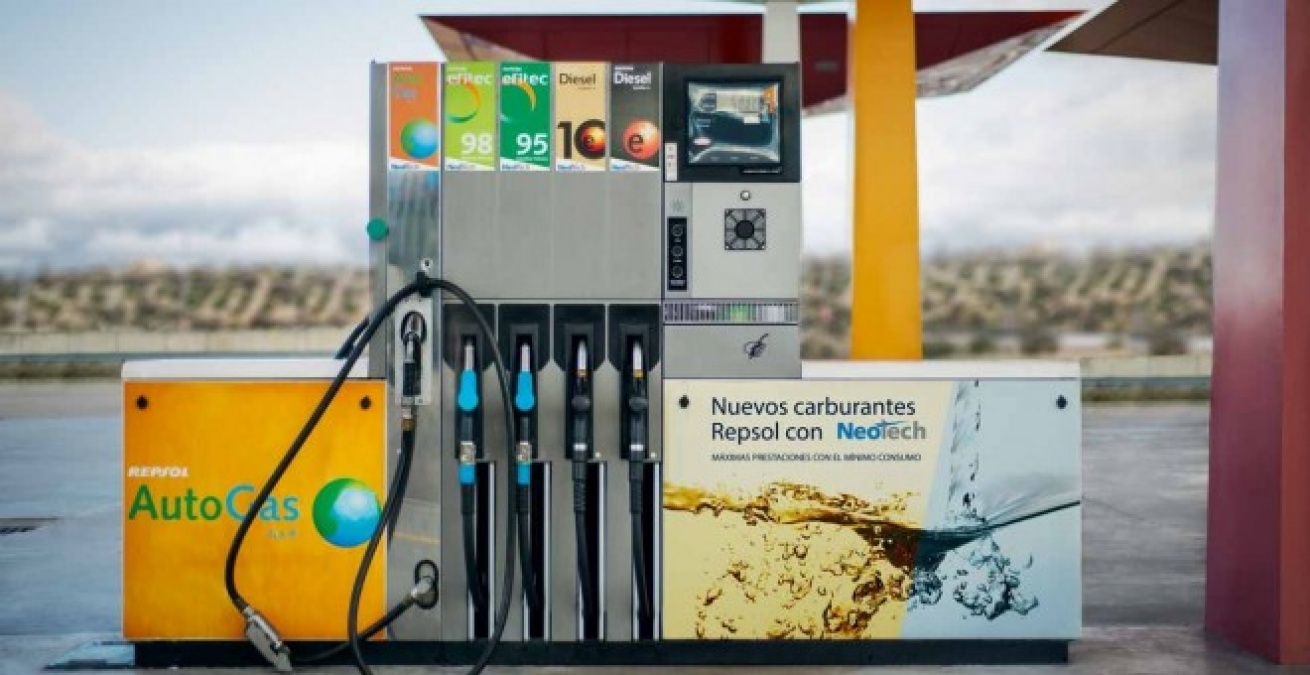
Although both types of fuel are similar and using either one causes no complications for the engine, it is always best to use the one recommended by the manufacturer.
When we go to refuel petrol at a service station, we find pumps offering two types of petrol: 95 octane petrol and 98 octane petrol. It’s something we’ve grown used to seeing, but we may not be entirely clear about it. Do you know what these two numbers that accompany the fuel type mean? We’ll explain, so you can understand it clearly.
What octane rating is
The octane rating or octane number is the fuel’s resistance to detonation when it is compressed inside an engine cylinder. That is, the higher the octane number, the greater the compression the engine can handle. This can achieve higher performance, although it is also true that 98 octane petrol is not recommended for more common engines.
Basic differences between 95 and 98 octane
95 octane petrol contains more sulphur, but produces fewer polluting particles than 98 octane petrol. The lower sulphur content in 98 octane fuel allows the catalytic converter to last longer and delivers higher performance.
That is why 98 octane petrol is used as fuel for high-performance sports cars. 95 octane petrol, on the other hand, is used for everyday cars, where a fuel offering that level of performance is not necessary. With this fuel emissions of polluting particles are limited, consumption is reduced and the engine stays cleaner.
Does that mean you cannot use 98 octane petrol in a car designed for 95 octane petrol? Filling a 95 octane car with 98 octane petrol is not a problem. The issue is that the benefit achieved with an engine prepared to use higher octane petrol will not be noticeable. A car prepared for 95 octane petrol cannot obtain that extra performance.
Conversely, if 95 octane petrol is used in an engine designed for higher octane fuel, a loss of performance and an increase in consumption can be observed, since more fuel is needed to achieve the same performance.
The price difference between the two types of petrol is a few cents, so you should make sure which type of fuel the car you are refuelling uses. If 98 octane petrol is used in an engine prepared for 95 octane petrol, nothing happens to the engine, for better or worse, but filling the tank will cost more.
Keep in mind that it is not the same as putting diesel into a petrol engine. The engine will not suffer, but it is always better to use the fuel recommended by the manufacturer and not a different one.


 Peugeot E-208 GTi: a battery-powered toy that revives the spirit of the 1980s sports cars
 New Lexus ES: luxury grows and goes electric
 First contact with the Dacia Sandero Hybrid 155: power and efficiency from €19,890
Deja un comentario