Barcelona is betting on cleaner mobility and is expanding pedestrian zones
 Victor Alós Yus @sepelaci
29 April 2020
3 min.
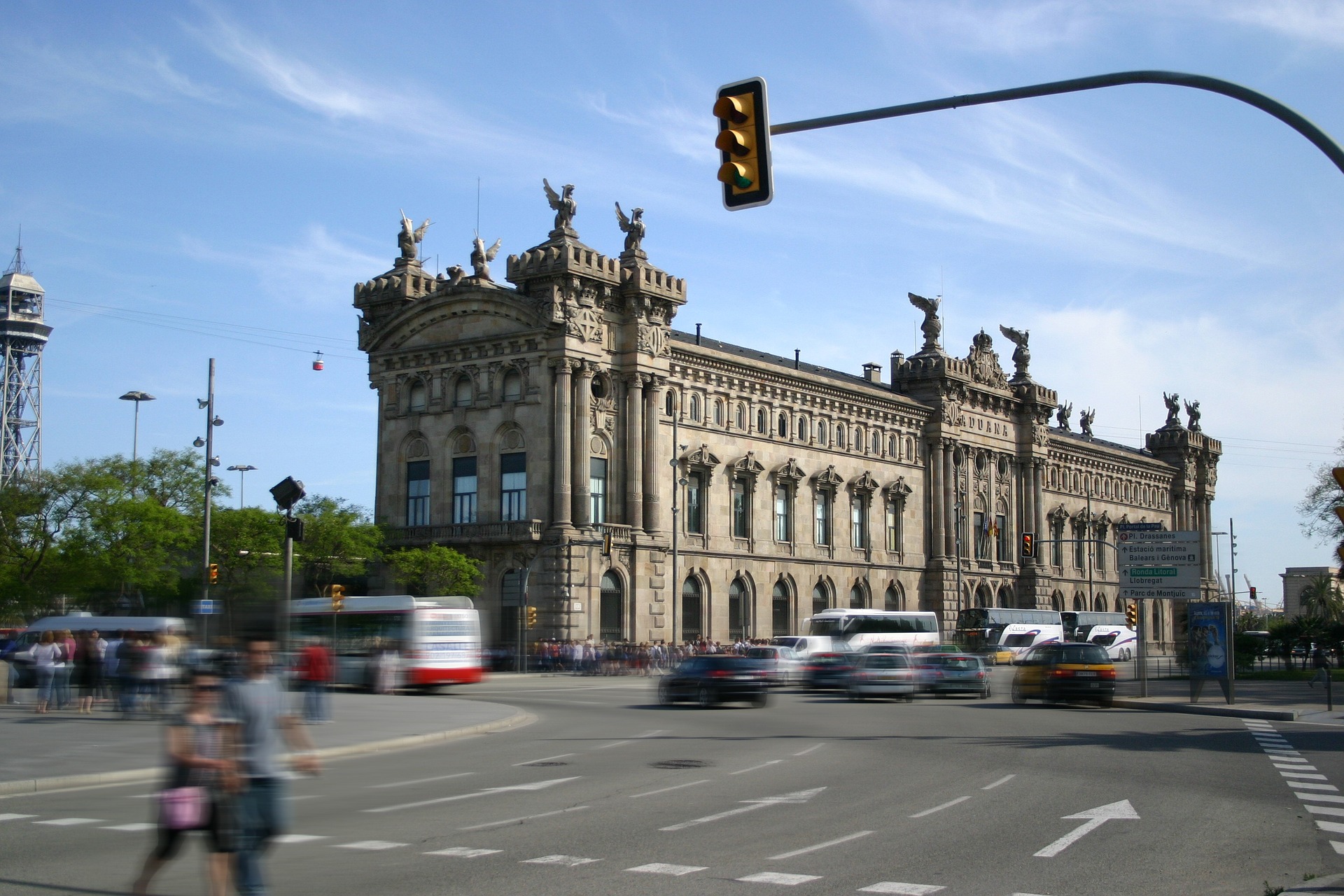
The consequences of the state of alarm are not all negative, as several Spanish city councils are taking action to reduce vehicle traffic
In the midst of the crisis caused by the state of alarm due to COVID-19, the major city councils have realised something quite significant: without traffic, pollution decreases and the air is cleaner in the big cities. So several of these councils in Spain’s main cities are ready to reduce the impact of polluting vehicles on their streets.
Barcelona is one of the first to act, and the city council has launched a proposal to take advantage of this moment of low pollution and announce new measures that will favour pedestrian mobility and cleaner vehicles. The redevelopment of some urban roads will reduce car traffic in the city centre and promote the use of public transport and walking.
More kilometres for cyclists and pedestrians
The mayor of Barcelona, Ada Colau, has proposed increasing the kilometres of cycle lanes and pavements so that people can move around the streets of Barcelona more easily and simply. For the new cycle lanes, 21 kilometres will be made available for cycling. As for new pavements and walkways for pedestrians, there is talk of an increase of 12 kilometres.
On the Diagonal and the Passeig de Gràcia, cars will be prevented from entering the side lanes along certain stretches. On the Diagonal this will happen between Plaza de Francesc Macià and the Passeig de Gràcia, as well as in the area between this road and Carrer Marina. Other streets whose traffic conditions will be modified are Consell de Cent, Girona and Rocafort.
On these roads a speed limit of 30 km/h will be set, and cars and bicycles will share the carriageway. Parking spaces will be removed and the pavements will be widened by four metres more, using paint on the road surface. On Via Laietana the pavements will be widened to 4.5 metres, using the same painting system on the carriageway, and the bus lane will still have one lane in each direction, just like the rest of the vehicles.
The paradox that has arisen during the period in which the state of alarm has been in force is a 95% drop in public transport use. Fear of catching the virus from buses and metro has caused private vehicle use to increase, especially considering that each vehicle may carry only one person, or two as an exceptional measure.
These measures are also going to be implemented in other cities, such as Valencia, which is making some changes of this kind on central streets, such as Calle Colón, where it has increased pedestrian space with paint and set up new lanes for public transport.


 Kia offers an electric range of 10 models, 50 versions and 400 possible combinations
 The seven finalists for the 2027 European Car of the Year (COTY) are exclusively electric
 Peugeot E-208 GTi: a battery-powered toy that revives the spirit of the 1980s sports cars
Deja un comentario