BMW BYD GLC HAN Mercedes X3 Hybrid Cars Comparisons SUV
BMW X3 vs. Mercedes-Benz GLC: Which Premium Plug-in Hybrid SUV Offers More Value in 2026
 Dani Montesinos
2 September 2026
6 min.
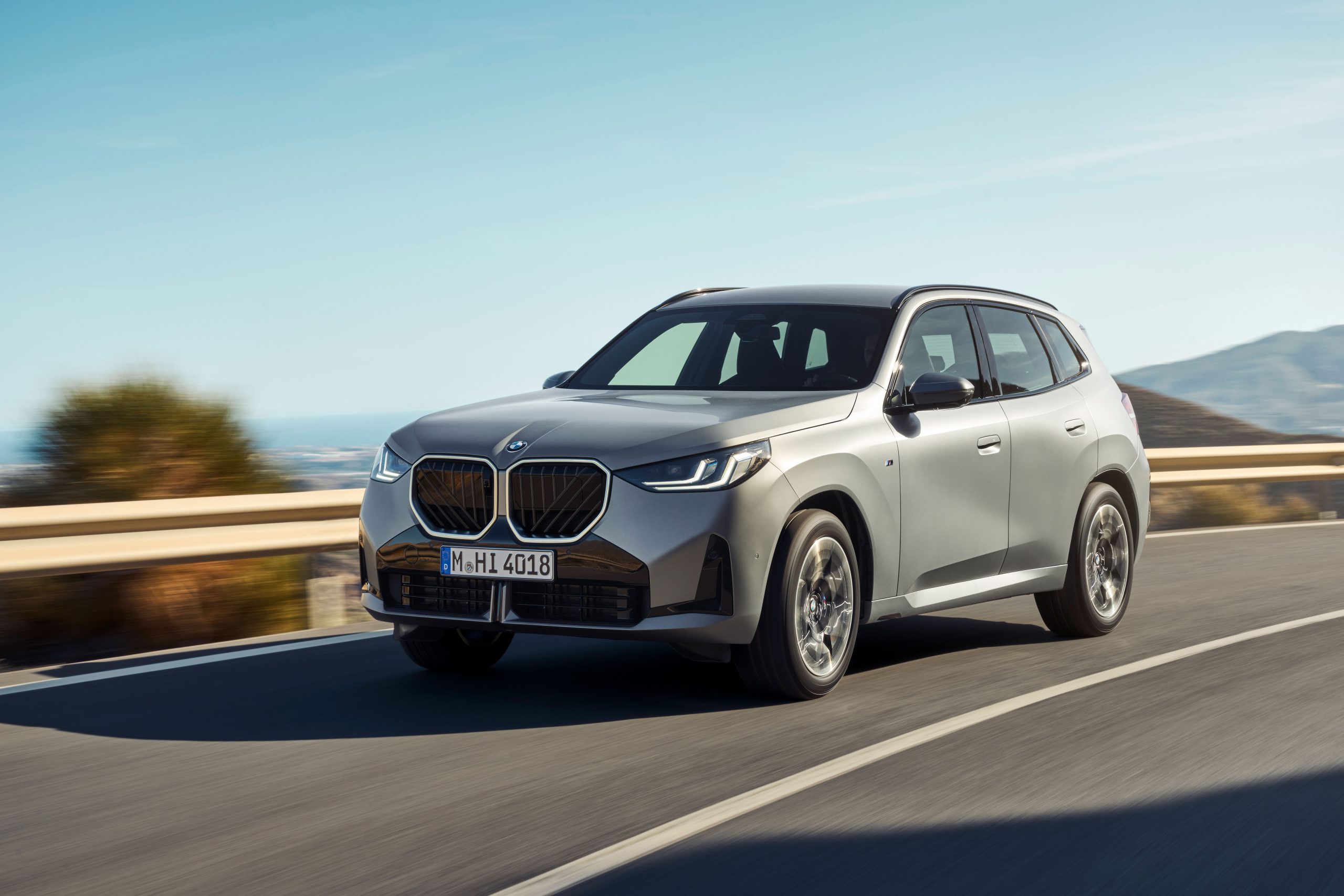
We compare the BMW X3 20i xDrive mild hybrid and the Mercedes-Benz GLC 300 e PHEV to decide which premium compact SUV offers more value in the market
The premium compact SUV segment remains Europe’s most fiercely contested commercial battleground, and in Spain the 2026 showdown is led by two names with badges: the BMW X3 and the Mercedes-Benz GLC. One arrives with a lightly electrified petrol approach; the other bets on a plug-in hybrid with long electric range. The comparison, therefore, is not just body against body — it is philosophy against philosophy.
This duel deliberately leaves out other contenders that might have entered on popularity. In our view, brands such as BYD, while a clear reference in Asian electrification, now compete within a European premium field so dense that their offering loses its fit in a strictly premium compact SUV analysis. And in the case of Nissan, we believe the equation for a premium SUV is no longer solved by range and power alone: finish, soundproofing, software and comfort define the experience, and there we find more complete alternatives within the segment.
Why this duel matters in 2026
The reason is simple: the Spanish buyer of premium compact SUVs is in the middle of a change of mindset. Efficient diesel from five years ago is no longer enough. Access to Madrid Central, the environmental label, the real cost per kilometre and company car taxation have pushed the decision towards electrified powertrains. But electrified, how much? That is where the X3 and GLC take different paths.
BMW X3 20i xDrive: the electrified petrol playing it short — from €65,850
The new X3 G45 relies on a two-litre petrol engine with light 48 V electric assistance. It delivers 208 CV and standard xDrive all-wheel drive, with a homologated consumption of around 7 l/100 km. It is an honest approach: it does not promise electric range it then fails to deliver, and it avoids the weight and price penalty of a large battery.
That said, the trade-off is clear. ECO label, not ZERO. If the buyer lives in a city with growing restrictions or needs preferential access to low-emission zones, the X3 20i xDrive falls a step behind in that specific area. As a car, it remains a BMW: precise steering, dynamic poise and an interior with the latest generation of iDrive that, in its curved panoramic version, feels ahead of almost any direct rival.
| Power kW | Power CV | Top speed | Electric range | Consumption | Label | Fuel |
|---|---|---|---|---|---|---|
| 153 kW | 208 CV | 220 km/h | — | 7 l/100 km | ECO | Petrol mild hybrid |
Mercedes-Benz GLC 300 e 4Matic: the plug-in that means business — from €68,114
The GLC 300 e plays a different game. It combines a two-litre petrol engine with an electric motor and a battery of around 25.5 kWh — yes, larger than that of many urban electric cars from just a few years ago. The result: roughly 313 CV combined, 4Matic traction, about 120 km of homologated electric range and a WLTP combined consumption of around 2 l/100 km. Official emissions close to 50 g/km CO₂.
In day-to-day terms: a user with charging at home or at work can go weeks without buying petrol. And when a long journey comes up, the combustion engine kicks in without drama. ZERO label, with everything that implies for urban access, regulated parking and renting taxation. The trade-off also exists: weight, a higher entry price and a slightly reduced boot compared with the non-hybrid GLC, due to the battery space.
| Power kW | Power CV | Top speed | Electric range | Consumption | Label | Fuel |
|---|---|---|---|---|---|---|
| 230 kW | 313 CV | 218 km/h | 124 km | 2.1 l/100 km | ZERO | PHEV petrol |
Price, label and real cost: where the purchase is decided
On paper the X3 20i xDrive starts about €2,300 below the GLC 300 e. It is a real difference, but a misleading one if the intended use suits a PHEV. With overnight home charging and daily trips under 100 km, the GLC can bring fuel costs down to pure-electric levels for much of the year. Add the ZERO label — access, parking, company car taxation — and the balance tips quickly.
Conversely, a buyer who drives many motorway kilometres without the option to plug in, or who uses the car essentially outside the city, will find in the X3 a lighter, simpler powertrain with less dead weight to carry. The prices quoted are manufacturer’s RRP, without dealer discounts, promotional campaigns or aid schemes such as Plan Auto+, whose current amounts should be checked on the official website before signing.
For anyone still deciding between HEV, PHEV or electrified petrol, our guide on how to choose a premium plug-in hybrid SUV in 2026 sorts the variables well before you reach the dealership.
Summary table and editorial score
| Model | Power | Electric range | Consumption | Label | Price from | Score |
|---|---|---|---|---|---|---|
| BMW X3 20i xDrive | 208 CV | — | 7 l/100 km | ECO | €65,850 | 7.8/10 |
| Mercedes-Benz GLC 300 e 4Matic | 313 CV | 124 km | 2.1 l/100 km | ZERO | €68,114 | 8.6/10 |
Verdict: what to choose by profile
Charging at home and mainly urban-metropolitan use? In our view the GLC 300 e is the most coherent choice in 2026. ZERO label, more power, more standard tech equipment and a running cost that offsets the initial premium within a handful of years. It is the real plug-in of this comparison.
No reliable charging point and mostly extra-urban kilometres? The X3 20i xDrive makes sense. Less complexity, less weight, a more contained entry price and the BMW dynamic character intact. On paper it loses out on the label; in practice, for that user profile, they won’t miss it day to day.
Frequently asked questions
Does the BMW X3 have a plug-in hybrid version in Spain in 2026?
The current X3 range on the Spanish market relies on 48 V petrol and diesel mild hybrids. In this comparison we have analysed the 20i xDrive version, which is not a PHEV. If a ZERO label is a requirement, the X3 20i xDrive does not offer it.
What real electric range can be expected from the Mercedes-Benz GLC 300 e?
The homologated figure is around 120 km WLTP. In real use, depending on temperature, speed and driving style, it is reasonable to expect between 90 and 110 km effective, enough to cover most daily journeys without starting the petrol engine.
Is it worth paying the €2,300 difference for the GLC 300 e over the X3 20i xDrive?
If you have charging at home or work and frequent urban-periurban use, yes: the fuel savings and the advantages of the ZERO label amortise the difference. Without a reliable charging point, the PHEV’s premium loses much of its logic.
Do the prices include purchase aid?
No. They are manufacturer’s recommended retail prices, without dealer discounts or public aid. For the current amount of Plan Auto+ and how it applies to each model, check the official website and confirm with the dealership before signing.
Technical specifications of the cars in this article

 Kia offers an electric range of 10 models, 50 versions and 400 possible combinations
 The seven finalists for the 2027 European Car of the Year (COTY) are exclusively electric
 Peugeot E-208 GTi: a battery-powered toy that revives the spirit of the 1980s sports cars
Deja un comentario