BMW Volvo X5 XC90 Hybrid Cars Comparisons SUV
BMW X5 vs Volvo XC90 plug-in hybrids: which premium seven-seat SUV offers more value in 2026
 Dani Montesinos
10 September 2026
6 min.
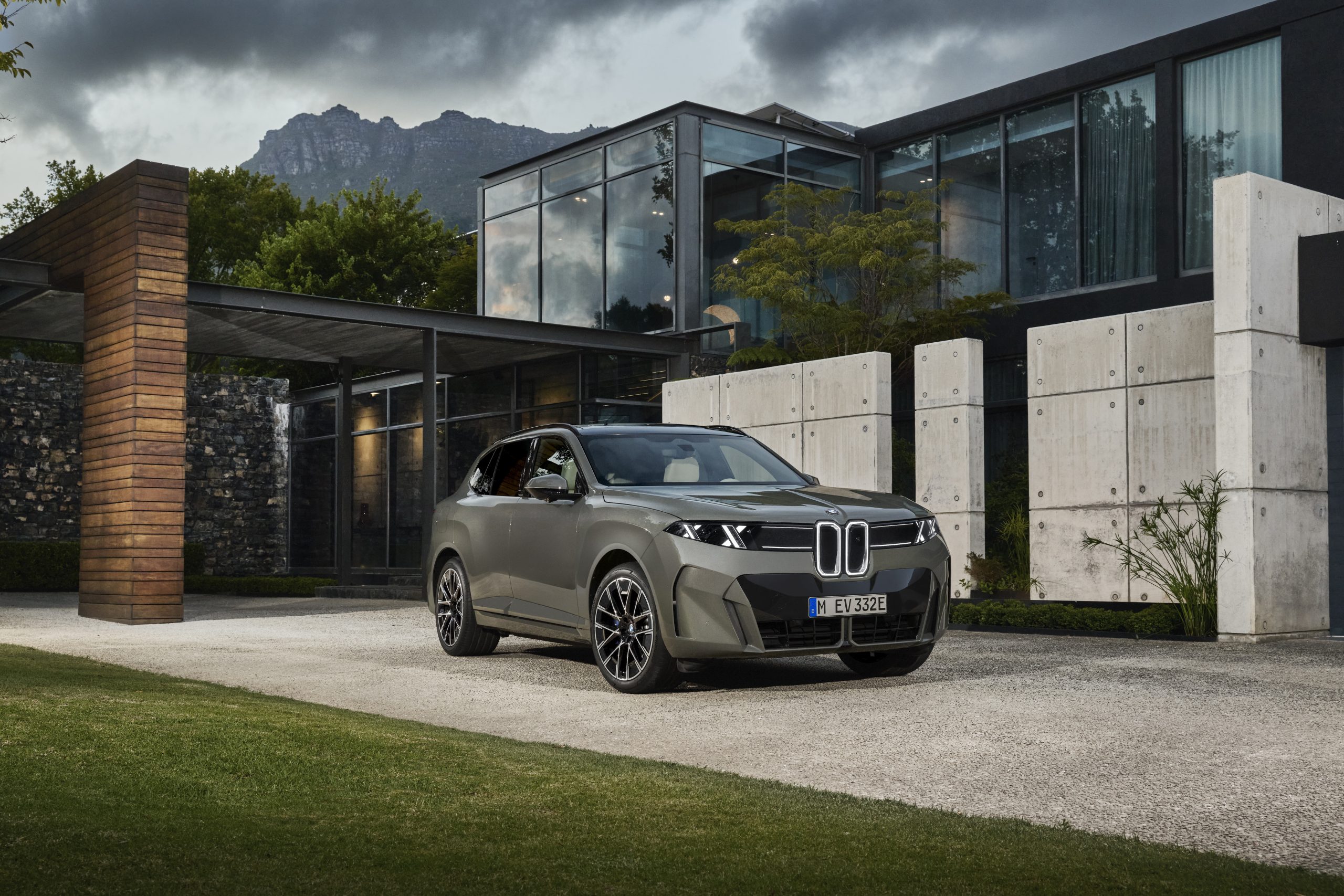
We compare the BMW X5 xDrive40i and the Volvo XC90 T8 to determine which premium seven-seat SUV offers the best value-for-money equation in 2026 in Spain
The premium seven-seat SUV segment has become a curious territory in 2026. The large family that aspires to a CERO label, twelve seats of real comfort and an on-board experience that justifies a six-figure invoice has, in practice, two candidates that dominate the conversation: the BMW X5 and the Volvo XC90. One relies on dynamic tradition and petrol mild-hybrid technology; the other bets everything on the plug-in with a fiscal vocation.
We have deliberately left two brands off the initial list of candidates. BYD, which remains a reference in pure electrification, is not part of this comparison because, in our view, the buyer of a premium family SUV in 2026 has a broader range of alternatives where interior quality and technological maturity weigh as much as the battery specifications. And Nissan is likewise left out: in an SUV of this segment, range and power are only one part of the equation; we consider that finish, sound insulation, software and comfort tip the balance toward rivals with a more complete on-board experience.
BMW X5 40 xDrive: the weight of dynamic tradition — from €103,169
The X5 arrives in 2026 with the powertrain that best defines it: a 3.0-litre inline six-cylinder, 48 V mild-hybrid system and 400 CV of combined power. It is not a PHEV. And that nuance, which may seem minor, conditions the entire tax and urban-use conversation.
In terms of dynamics, it remains the benchmark of the segment. The inline six delivers a linearity that no turbocharged four-cylinder can emulate, and the chassis has that balance between composure and agility that the brand has spent decades refining. In the city, however, there is a price to pay: real-world consumption around 10 l/100 km in mixed use and an ECO label, not CERO. For those who live in Madrid Central or want to park in SER zones without future restrictions, this is a point that weighs heavily.
| Power kW | Power CV | Top speed | Range | Consumption | Label | Fuel |
|---|---|---|---|---|---|---|
| 294 kW | 400 CV | 250 km/h | Data not available | 8.5 l/100 km | ECO | Petrol mild hybrid |
Volvo XC90 T8: the plug-in bet with a family vocation — from €91,150
The XC90 has spent years defending its proposition with enviable coherence. The T8 variant combines a 2.0 turbo petrol engine with an electric motor and a battery of around 19 kWh that allows roughly 70 km in zero-emission mode. Combined power exceeds 406 CV. CERO label. Tax position secured for 2026, at least on paper.
On the road, the sensation is different from the X5. Less sporty, more of a cruiser. The T8 accelerates forcefully when needed — the electric torque helps the first metres feel almost theatrical for a car weighing over two tonnes — but the setup is designed to devour motorway miles with the family on board, not to attack mountain passes. And that is exactly its audience.
The interior, with its Scandinavian language and that light wood which is already the brand’s signature, ages with dignity. The third row is usable for adults on short journeys, something that in this segment is not always the case.
| Power kW | Power CV | Top speed | Electric range | Consumption | Label | Fuel |
|---|---|---|---|---|---|---|
| 298 kW | 406 CV | 180 km/h | 70 km | 3.3 l/100 km | CERO | Petrol PHEV |
Tax, label and real cost of use
Here the comparison clearly tilts. The XC90 T8 Recharge, with its CERO label, avoids restrictions in low-emission zones, parks for free or at a discount in many capital cities, and may access aid frameworks such as the current Plan Auto+ — it is advisable to check the official website for the updated amount, as the figures change —. The X5, with an ECO label, complies today but sits in the group of models that could be affected by future regulatory revisions.
In real-world consumption, if the user charges the XC90 diligently and covers daily journeys of under 60 km while plugged in, they can go weeks without visiting a petrol station. The X5 cannot. Its 8–10 l/100 km are fixed.
Price, equipment and perceived value
The Volvo starts at around €91,150 and the BMW at around €103,169. Almost €10,000 difference in favour of the Swedish car, with more power on paper and a CERO label. For the rational buyer who runs the numbers with a pencil, the balance is obvious. Prices are the manufacturer’s recommended retail price, without dealer discounts, one-off campaigns or aid.
That said, whoever is after the driving pleasure of the inline six, the chassis response and that pedigree which only a handful of brands distil, will still sign for the X5. It is not irrational; it is a different equation. In our guide to premium family SUVs with seven seats we go deeper into the criteria that separate an emotional purchase from a pragmatic one in this segment.
Summary table and editorial score
| Model | Price from | Power | Label | Electric range | Value 2026 (1–10) |
|---|---|---|---|---|---|
| Volvo XC90 T8 | €91,150 | 406 CV | CERO | 70 km | 8.5 |
| BMW X5 xDrive40i | €103,169 | 400 CV | ECO | — | 7.5 |
The editorial verdict tilts towards the Volvo XC90 T8 Recharge as the best value-for-money equation in 2026. Cheaper to start with, CERO label, electric range useful for day-to-day driving and a third row that does the job. The BMW X5 remains a superior car in dynamics and driving feel, but it demands an economic and fiscal premium that not every family profile is willing — or able — to pay.
Frequently asked questions
Which has the better third row for adults?
The Volvo XC90 offers a third row more usable for adults on short journeys, with easier access and slightly more headroom. The X5 homologates it as seven seats, but its third row is more geared towards children or occasional use.
Does the BMW X5 have a plug-in version available in Spain?
The X5 range offers electrified variants on the Spanish market, but in this comparison we have analysed the 40 xDrive petrol mild hybrid as the reference for the most balanced powertrain in the range. For a CERO label in this segment, the Volvo T8 approach is better resolved in the price-performance equation.
How much do you really save with the CERO label compared to ECO?
It depends on the municipality. In cities with active ZBE zones, CERO allows unrestricted access and parking with discounts or for free in regulated areas. Over five years, for an intensive urban user, the difference can amount to around €2,000–3,000 in parking and tolls alone, not counting possible future restrictions on ECO vehicles.
Is the price premium of the BMW X5 worth it if you are not looking for sporty driving?
In our view, no. If the priority is comfortable family transport, favourable taxation and contained running costs, the Volvo XC90 T8 covers those needs with a lower initial outlay. The X5 justifies its price for those who specifically value the inline six and the dynamic feel of the Bavarian brand.
Technical specifications of the cars in this article


 Peugeot E-208 GTi: a battery-powered toy that revives the spirit of the 1980s sports cars
 New Lexus ES: luxury grows and goes electric
 First contact with the Dacia Sandero Hybrid 155: power and efficiency from €19,890
Deja un comentario