Do you know how the MOT inspection of hybrid vehicles is carried out?
 Óscar Sanz
26 February 2024
3 min.
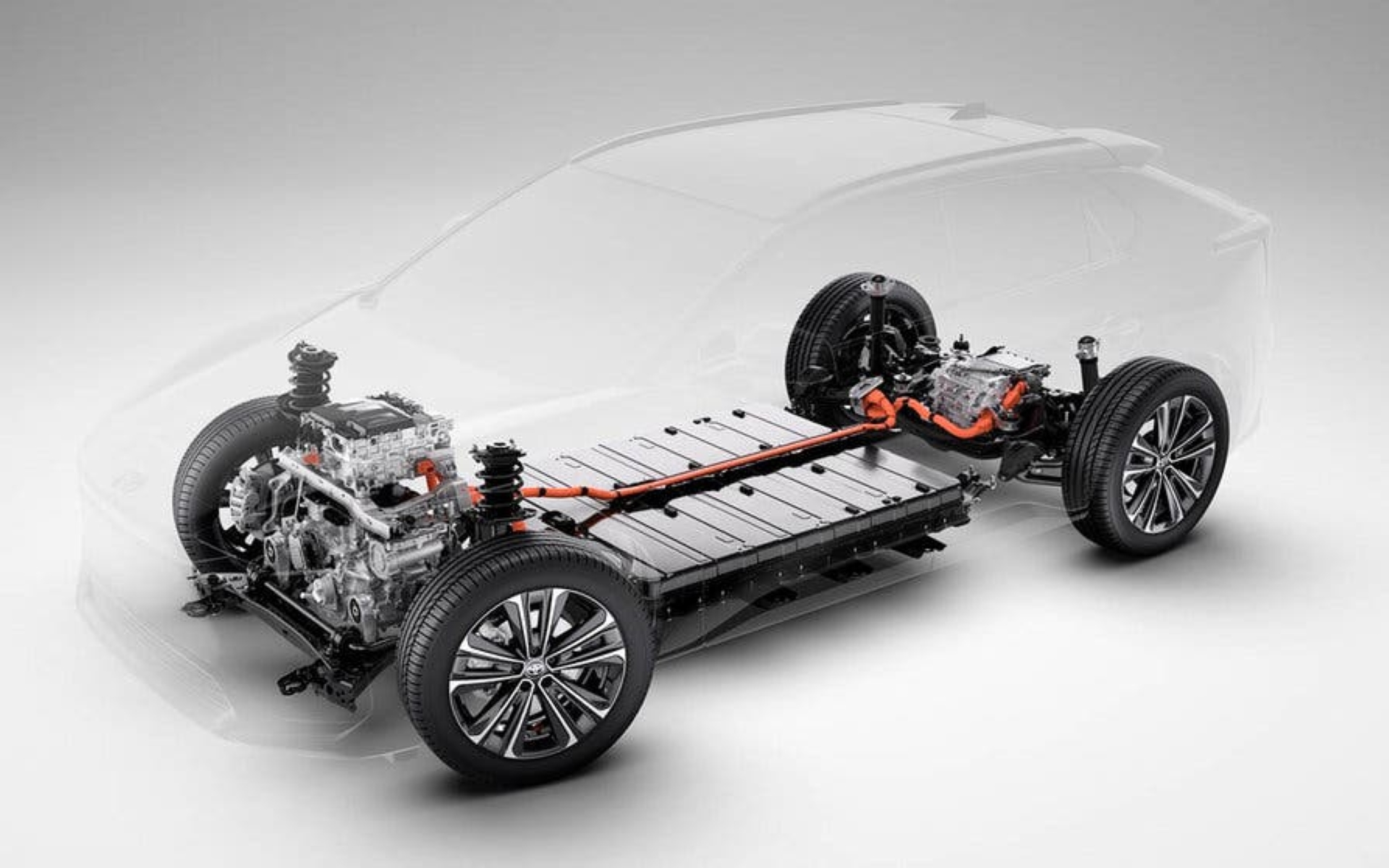
Vehicles with hybrid engines are on the rise, so it is worth knowing the inspection rules and frequency that apply to these vehicles so you don’t run into any surprises.
As many of you know or have noticed, vehicles with hybrid engines appear more and more often on our roads, making this an unstoppable trend due to new measures on polluting emissions.
According to data from the National Association of Automobile and Truck Manufacturers (ANFAC), registrations of plug-in hybrid vehicles soared by 30.3% during 2023, while non-plug-in hybrids saw an increase of 27.2%. However, this technological revolution must also be subjected to a series of inspections to certify its safety and operation. But how do these vehicles fare at the dreaded MOT?
The Association of Entities for Technical Vehicle Inspection of the Community of Madrid (AEMA-ITV) wants to stress that models with hybrid engines, like any other vehicle, are subject to the same rules regarding the MOT. The frequency of these inspections does not depend on the type of propulsion, but on the category of the vehicle itself. For example, passenger cars must undergo their first MOT at 4 years old from registration, then every 2 years until they reach 10 years old, and annually from then on, a rule well known worldwide.
Initially, the regulations do not establish substantial differences in the inspection of hybrid vehicles compared with combustion ones, covering the same aspects, such as identification, exterior and interior condition, lighting, brakes, among others.
Classification of hybrids
Although many of you already know how they work and how they are built, here is some background on these vehicles, which can be: plug-in, mild hybrids, full hybrids or gas hybrids.
Plug-in hybrids run on both electricity and fuel, with rechargeable batteries that allow considerably long distances to be covered with zero emissions.
Mild hybrids, almost identical to their combustion counterparts, have an electrical support system for specific situations, such as urban starts.
Full hybrids feature more complex hybridisation, with more powerful electric motors capable of propelling short journeys without help from the combustion engine, recharging automatically during braking.
Finally, gas hybrids, which incorporate additional tanks and dual injection systems for liquefied petroleum gas (LPG) or compressed natural gas (CNG), keep an operation similar to traditional combustion vehicles.
Minor differences in the tests
Hybrid vehicles, by combining combustion engines with electrical systems, must face emissions tests. A particular aspect of these vehicles is that, while idling, the electric motor can start automatically when the vehicle is switched on. Therefore, for the emissions assessment, inspection station technicians must follow the manufacturers’ specific protocols to activate the combustion engine and carry out the corresponding tests.
These models use a specialised type of tyre, as do electric models, so during the test particular attention is paid to tyre wear, since the switch between electric and conventional traction can affect their behaviour and wear, requiring a somewhat more thorough analysis.
Once the inspection process is complete, hybrid vehicles, like their combustion counterparts, receive the coveted MOT certificate certifying that the vehicle has passed the technical inspection satisfactorily and complies with all regulations.


 Kia offers an electric range of 10 models, 50 versions and 400 possible combinations
 The seven finalists for the 2027 European Car of the Year (COTY) are exclusively electric
 Peugeot E-208 GTi: a battery-powered toy that revives the spirit of the 1980s sports cars
Deja un comentario