Comerciales Industry Technology
Gas is the fuel of the future for trucks and buses
 Fernando Alvarez
27 February 2012
2 min.
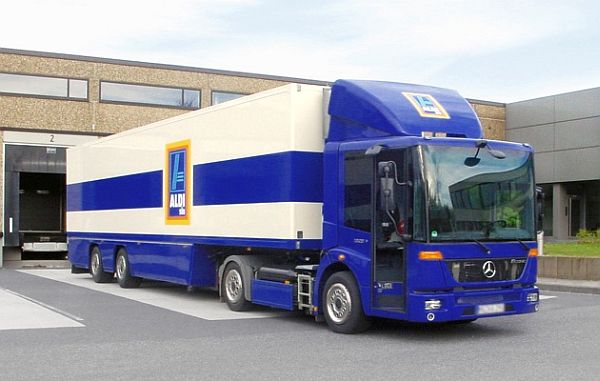
Compressed natural gas and liquefied gas are the new option for transport companies for their trucks, in addition to being the fuel of choice for city buses.
The use of electricity may be spreading marginally to passenger cars and commercial vans, but there is one fuel that will be the future of commercial and industrial motoring: liquefied natural gas and compressed natural gas.
Both fuels are being developed by several truck and bus manufacturers. The technology adopted includes the use of bi-fuel engines, diesel-gas, or the direct implementation of gas engines for tractor units, which are already in operation at several transport companies.
One of the brands that has practically been a pioneer in this field is Volvo, which has added the FM MetanoDiésel line to its range. These trucks feature a 13-litre, six-cylinder engine producing 460 CV (between 1,400 and 1,900 rpm) and 2,300 Nm of torque (between 1,000 and 1,400 rpm), with a dedicated injection system for liquefied gas. When the gas runs out, it can still operate entirely on diesel, complying with the Euro VI standard. The range with both fuels is 500 kilometres. Another brand that has started delivering gas-powered trucks is Mercedes-Benz, with its Econic model (main photo).
But gas is not only being applied to commercial road vehicles; it is also being used in urban environments. In Spain, Madrid’s refuse collection truck fleet, made up of 675 natural gas trucks, is the largest in Europe running on this alternative fuel. Another good example of gas use, this time CNG, is the fleet of articulated buses in Barcelona, which run on compressed natural gas.
The use of electric motors, or at least the electric technology we know today, is impossible for this type of vehicle; it would add considerable dead weight in batteries and motors, and the range would not be suitable for commercial purposes. According to some executives at these transport companies, a truck saves at least 30% by using gas, compared with diesel, while maintaining speed on the road.
In Spain we still have fewer than 20 gas filling stations, compared with the more than 800 that exist in Germany, for example. What are we waiting for to have more gas refuelling points? Even in the USA, the use of gas for trucks is growing; in fact, trucks with dedicated gas engines and a range of about 650 kilometres are beginning to circulate.
Source | Qualitas, Green Big Truck


 Peugeot E-208 GTi: a battery-powered toy that revives the spirit of the 1980s sports cars
 New Lexus ES: luxury grows and goes electric
 First contact with the Dacia Sandero Hybrid 155: power and efficiency from €19,890
Deja un comentario