Heel-and-toe, double clutching and rev matching: what they are, what they're for and how to perform these driving techniques
 Javier López @jlopezbryan96
12 January 2019
5 min.
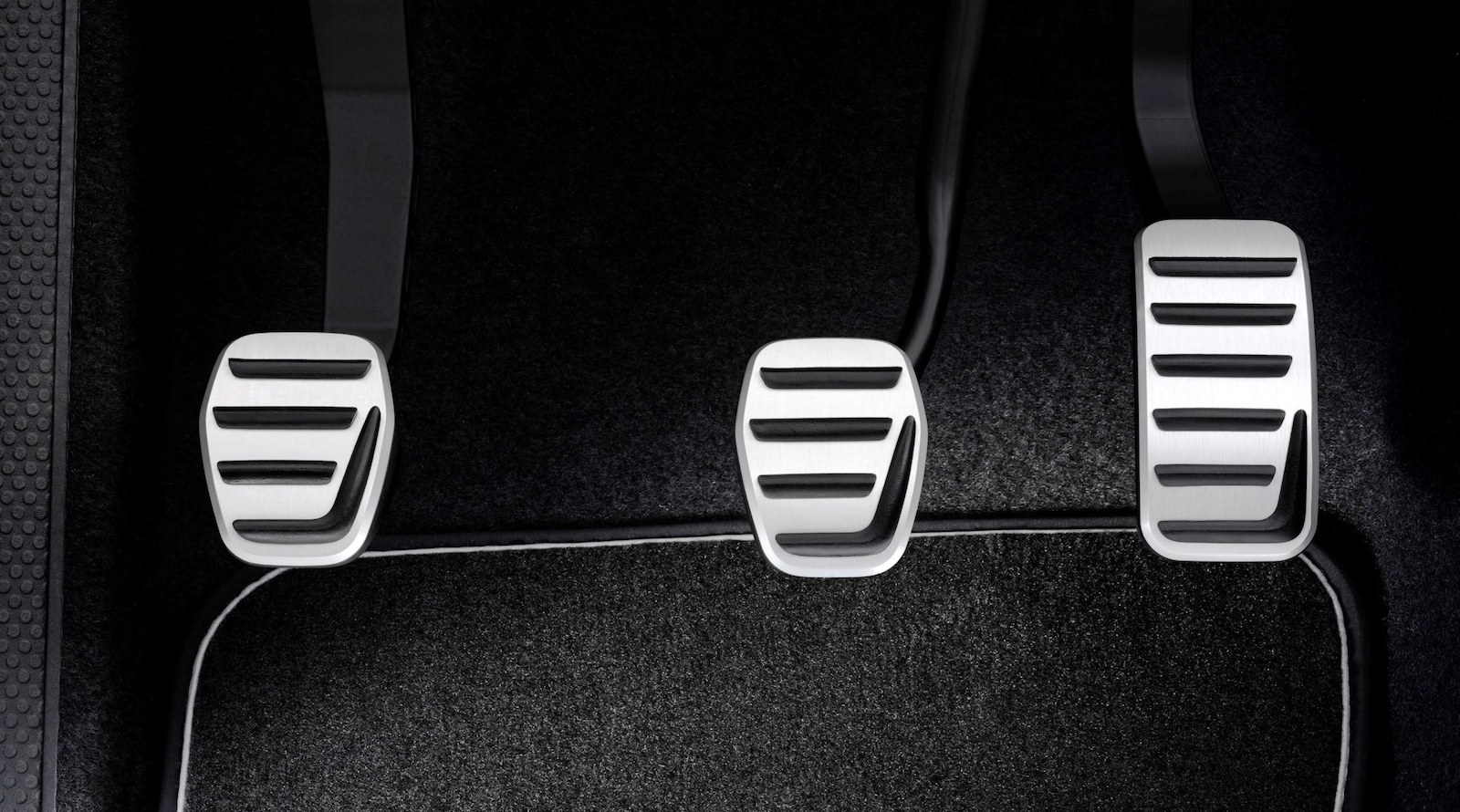
Today we’re talking about heel-and-toe, double clutching and rev matching, three driving techniques that will allow us to drive in a more dynamic way.
Surely, as a true car lover, you love driving and have always wanted to improve your skills behind the wheel, something that isn’t always easy but can be achieved. To do so, there are various techniques or tips that will help us not only to drive more precisely, but also to have a level of control that results in safer handling of the car. To implement these skills, today we bring you three techniques known as heel-and-toe, double clutching and rev matching, which will help us avoid possible mechanical damage if we perform them correctly and achieve better behaviour from our car.
These techniques have been inherited directly from the world of competition, and have been -and still are- used by many drivers to achieve more effective results on the asphalt. Their use must be appropriate, since performing them incorrectly could not only damage various mechanical components, but could also lead to erratic driving, which is why it’s important to practise them in places without traffic.
Heel-and-toe
Without a doubt, this is one of the most difficult driving techniques to perform successfully, since it depends not only on our skill with our feet and hands, but also on the layout of the pedals, which can vary from car to car. As its name suggests, we will have to use both the ball and the heel of our foot, although sometimes we may resort to the side depending on the pedals of our car.
What is the purpose of this technique? It seeks to prevent engine revs from rising too much when we downshift, trying to ensure that the rotation of the clutch disc and of the engine itself is not too different when both parts re-engage. We have all experienced, in our first steps as novice drivers, a jolt that was too sudden from the car when downshifting; this is because we did it too early, causing the clutch disc to rotate too fast relative to the engine, and the latter then quickly tried to adapt to the revs of the other.
https://www.youtube.com/watch?v=Rtz_uQ3H6bA&
How do we perform heel-and-toe? The theory is simple: we just have to press the clutch while, gently, applying the brake with the ball of the foot and giving the throttle a blip with the heel. Thanks to the throttle blip we provide before engaging the lower gear, we make the engine speed higher and the difference between it and the clutch disc much smaller. In this way we can not only enter and exit corners faster, but also achieve less wear on the clutch, although as a consequence fuel consumption will increase.
Double clutching
The aim of these three techniques we are concerned with today is the same: to prevent the rotation of the clutch disc and that of the engine from being very different when we downshift, and to enable a faster and more dynamic drive with less engine braking. However, over time other processes have been developed to achieve the same result in a simpler way, such as double clutching.
This technique can also be used in situations of lack of power, a fairly common situation when driving very heavy vehicles and tackling a very steep slope. It works best with vertical gear insertions, and its operation must be quick and efficient, in order to avoid losing speed or power in the process.
As we have mentioned, double clutching is presented as a technique that is simpler to perform than heel-and-toe, since in this one no other area of our foot is involved. Let’s imagine we are driving in fourth gear and a corner with a considerable apex is approaching, and we want to get through it with the greatest efficiency and diligence possible. We brake before reaching it, press the clutch and engage neutral; then we give the throttle a blip to raise the engine revs while the gear lever remains in neutral, release and press the clutch again to downshift to third and be able to release the clutch quickly and continue on our way.
Rev matching
There is really no literal name for this last technique, since the term rev matching refers to the goal of each and every one of the processes described in this article: making the rotation of the clutch disc and that of the engine as even as possible when we downshift. This last technique is presented as the simplest to perform and may be the most suitable for those who have not yet mastered heel-and-toe.
To perform rev matching correctly we must be in a similar situation; that is, a nearby corner that requires us to downshift quickly in order to get through it properly. Once we have reached this situation we must press the clutch and, at the same time, give a light blip of the throttle to raise the revs and immediately release the clutch with the desired gear engaged.
Once we have understood the operation, purpose and execution of these techniques it is time to put them into practice. However, we should not expect fruitful results on our first attempts, and it is advisable to practise in places with no traffic or nearby objects to avoid making strange movements or braking unexpectedly, both for the driver and for other vehicles on the road.


 Peugeot E-208 GTi: a battery-powered toy that revives the spirit of the 1980s sports cars
 New Lexus ES: luxury grows and goes electric
 First contact with the Dacia Sandero Hybrid 155: power and efficiency from €19,890
Deja un comentario