Dacia Hyundai Jogger KIA Kodiaq Santa Fe SEAT Skoda Sorento Tarraco Family Buying Guides SUV
How to Choose a 2026 Seven-Seater Family SUV: Powertrain, Third-Row Space and Real Cost
 Iván Navarro
29 September 2026
7 min.
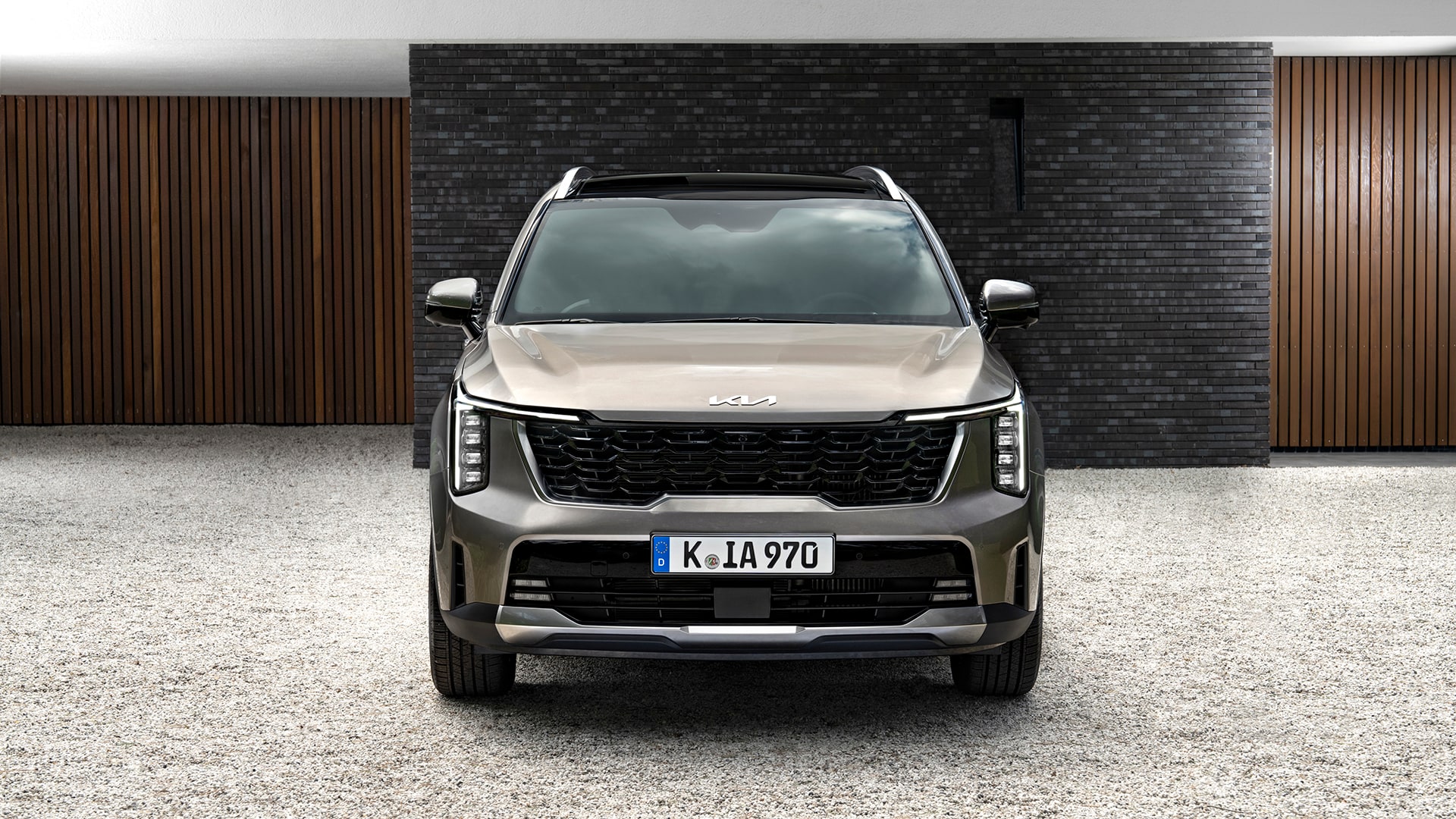
A practical guide to choosing a seven-seater family SUV in 2026 based on powertrain, real-world third-row use and total cost of ownership. Recommendations by usage profile, with the models that really matter in Spain.
Buying a seven-seater family SUV in 2026 has become an exercise in honesty. Honesty with yourself about how many times a year you will really use those two extra seats, which powertrain will cover your actual mileage, and how much the car will cost once the first three years are over. Segment marketing sells rolling lounges; the reality, in many cases, is a tiny boot with all seven seats in use and a third row where only children fit.
A clarification before the analysis: we have left the Nissan X-Trail and the seven-seat versions of BYD out of this guide. In our view, in this particular segment there are rivals that offer a better balance between perceived quality, effective space and price, and we prefer to focus the analysis on them rather than force unequal comparisons. It is an editorial decision, not a verdict on those brands as a whole.
Which powertrain to choose based on annual mileage
The right powertrain is not the one you like most: it is the one that suits how you drive. And here the numbers are considerably less glamorous than the brochures.
Under 12,000 km/year: petrol or mild hybrid
If the car will mostly live in the city and only stretches out at weekends, diesel stops making sense. A 7-seat family SUV 2026 with a petrol or hybrid engine recovers its higher initial price better and avoids access restrictions in low-emission zones (ZBE). The SEAT Tarraco 1.5 eTSI is a clear example of this profile.
Between 12,000 and 25,000 km/year: hybrid or PHEV with a home charger
This is where plug-in hybrids make sense — provided there is a plug in the garage. Without one, the PHEV becomes a heavy, expensive-to-run petrol car. The Kia Sorento PHEV or the Peugeot 5008 Hybrid 145 are good candidates depending on whether space or urban consumption is the priority.
Over 25,000 km/year: efficient diesel or plug-in hybrid with real use
For anyone who lives on the motorway, diesel remains unbeatable for real-world consumption. The Skoda Kodiaq 2.0 TDI or the Volkswagen Tayron 2.0 TDI average consumption below 6 l/100 km on long journeys, something no full hybrid of this size achieves consistently.
How to assess the third row beyond the marketing
This is where the segment shows its true face. The spec sheet says “seven seats”; the tape measure says something else.
Real measurements: H61 point and legroom
The dimension that matters is called H61 (headroom in the third row) and rarely appears in brochures. In practice, below 900 mm an adult of 1.80 m travels uncomfortably. Peugeot and Skoda are above that; Dacia, surprisingly decent for its price.
Access: doors, tilt angle and opening
A decent third row is of little use if getting into it requires being a contortionist. The second-row sliding system (travel, ease of operation with one hand, position memory) is decisive. The Sorento and the Santa Fe stand out here; the 5008 is a little tighter because of the geometry of its rear doors.
Boot space with all seven seats in use
This is the figure the segment hides. With all seven seats in use, most of these SUVs drop below 250 litres. Enough for two school bags. Not enough for a weekend getaway. The Sorento (187 l) and the Kodiaq (289 l) mark the extremes.
Real cost of ownership over three years
The list price is only the beginning. Total cost includes financing, insurance, maintenance, fuel and — the big one people forget — residual value.
German models hold their value better but start from higher prices. The Koreans make up for it with seven-year warranties, a factor that has a direct impact on cost of ownership and resale confidence. Dacia breaks the mould at the bottom: very low entry cost and proportionally smaller depreciation, although the perceived result is not the same.
On grants: the Plan Auto+ may apply to the electrified versions of several of these models. Check the plan’s official website for current amounts, which change without notice.
The contenders: model by model
Skoda Kodiaq — from 45,700 €
The rational benchmark of the segment. Interior space precisely used, an enormous boot even with seven seats, above-average perceived quality and a broad engine range. To our taste, the most rounded balance if you prioritise long journeys and a genuinely large family.
| Power CV | Fuel | Label |
|---|---|---|
| 150 | Diesel | C |
Peugeot 5008 — from 41,650 €
Bolder design, the i-Cockpit that still divides opinion, and an interesting plug-in hybrid version for mixed urban and road use. The third row is adequate but access requires some practice.
| Power CV | Fuel | Label |
|---|---|---|
| 145 | Hybrid | ECO |
Hyundai Santa Fe — from 56,020 €
A radical redesign, imposing presence and an interior that feels a step above expectations for the brand. Its hybrid version is the most accomplished for anyone who cannot plug in at home. We have analysed it in depth in our recent Santa Fe review.
| Power CV | Fuel | Label |
|---|---|---|
| 239 | Hybrid | ECO |
Kia Sorento PHEV — from 61,900 €
The technical sibling of the Santa Fe with its own personality, more oriented towards comfort. The PHEV version is the most versatile for anyone who can charge daily. Seven years of warranty as a serious commercial argument. The comparison between Santa Fe and Sorento clarifies which suits which profile.
| Power CV | Fuel | Label |
|---|---|---|
| 288 | PHEV |
SEAT Tarraco — from 38,900 €
The most “compact” in feel within the VAG group, with a slightly tighter third row but a very competitive entry price. A good option if seven-seat use is genuinely occasional.
| Power CV | Fuel | Label |
|---|---|---|
| 150 | Petrol | C |
Dacia Jogger — from 18,940 €
It is not an SUV in the strict sense, but it is the most honest answer on the market to the question “I need seven seats and I don’t want to spend 40,000 euros”. Surprising interior space, a hybrid version available, and a third row more practical than its price would suggest.
| Power CV | Fuel | Label |
|---|---|---|
| 155 | Hybrid | ECO |
Volkswagen Tayron — from 46,700 €
The natural successor to the Tiguan Allspace, with an updated MQB architecture, better sound insulation and a range that includes a PHEV with very competitive electric range. The most “premium” of the mainstream group.
| Power CV | Fuel | Label |
|---|---|---|
| 204 | PHEV |
Recommendations by usage profile
- Large family using all 7 seats every day: Kia Sorento or Hyundai Santa Fe.
- Mixed use with occasional seventh seat: Skoda Kodiaq or Volkswagen Tayron.
- Tight budget without giving up space: Dacia Jogger. No question.
- Urban use with a charger and occasional trips: Peugeot 5008 Hybrid or SEAT Tarraco.
Summary table with editorial score
| Model | Third-row space | Boot with 7 seats | 3-year cost | Powertrain | Overall |
|---|---|---|---|---|---|
| Skoda Kodiaq | 8 | 9 | 8 | 8 | 8.3 |
| Peugeot 5008 | 8 | 7.3 | |||
| Hyundai Santa Fe | 9 | 8 | 9 | 8.3 | |
| Kia Sorento | 9 | 8 | 9 | 8.0 | |
| SEAT Tarraco | 8 | 7.0 | |||
| Dacia Jogger | 10 | 7.8 | |||
| Volkswagen Tayron | 8 | 8 | 9 | 8.0 |
Frequently asked questions
Which is the best 2026 7-seat SUV for large families?
In our view, the Kia Sorento and the Hyundai Santa Fe lead the list for effective third-row space, quality of access from the second row and extended warranty. The Skoda Kodiaq is the alternative if boot space with all seven seats in use is the priority.
Is a seven-seat plug-in hybrid SUV worth it if I don’t have a garage?
No. Without a regular charging point, a PHEV runs in petrol mode while carrying the dead weight of its batteries, with real-world consumption higher than an equivalent full hybrid and a purchase premium that is hard to recoup.
How much boot space is really left with all seven seats occupied?
It depends on the model, but most sit between 180 and 300 litres. Enough for school bags or the weekly shop, not enough for seven people’s holiday luggage. It is the least advertised figure in the segment.
Is the premium of a 7-seat SUV worth it over a traditional MPV?
It depends on use. If the extra seats are used often and you need higher driving position or all-wheel drive, yes. If it is an image whim and the seventh seat is used three times a year, a compact seven-seater such as the Dacia Jogger covers the need for half the money.
Technical specifications of the cars in this article


 Peugeot E-208 GTi: a battery-powered toy that revives the spirit of the 1980s sports cars
 New Lexus ES: luxury grows and goes electric
 First contact with the Dacia Sandero Hybrid 155: power and efficiency from €19,890
Deja un comentario