C10 E5 EX5 G6 Geely Leapmotor MG S5 Xpeng Electric Cars Buying Guides SUV
How to Choose a Premium Electric Chinese SUV in 2026 for Under €60,000: Range, Charging and Equipment
 Iván Navarro
29 September 2026
7 min.
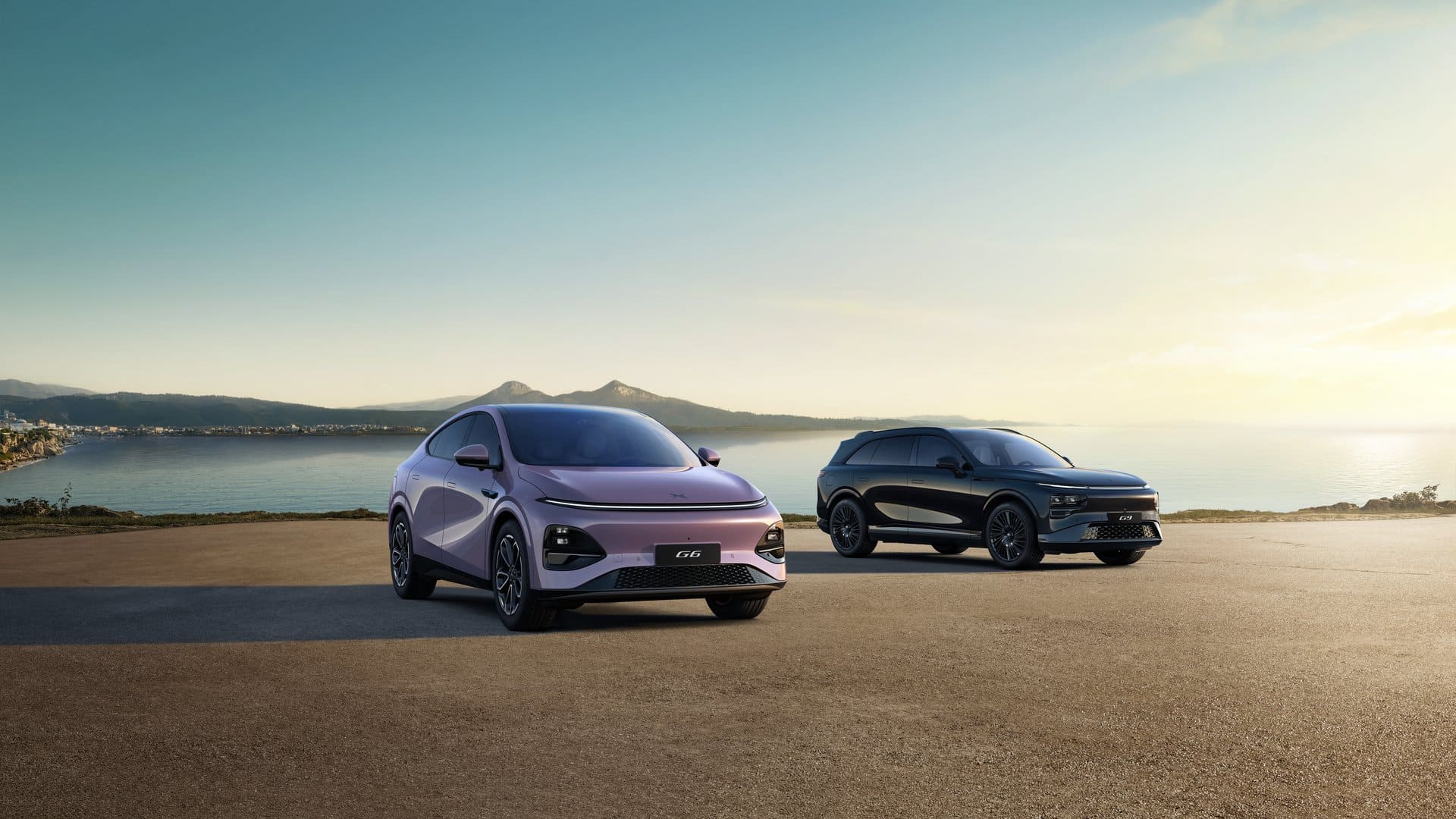
2026 buying guide to choosing a premium electric Chinese SUV for less than €60,000 in Spain: WLTP range, DC charging power and real equipment, with recommendations by user profile.
Spain’s 2026 market has stopped treating the Chinese SUV as a curiosity. Today it competes head-to-head with European and Korean benchmarks, and it does so in the most contested segment: premium electric SUVs priced below €60,000. WLTP ranges above 500 km, 800 V architectures, DC charging exceeding 250 kW and equipment that three years ago was reserved for cars twice the price. Time to separate the wheat from the chaff.
From the initial list of candidates we have deliberately ruled out any proposal from BYD. In our view, and although its engineering remains sound, the brand no longer commands the editorial attention that other Chinese names draw in this particular segment: the premium Chinese conversation of 2026 now revolves around other names, and this guide is organised around them. With that clarified, let’s get into the analysis.
What defines a premium electric Chinese SUV in 2026
The “premium” label can no longer rest solely on stitched leather and large screens. In 2026, a Chinese SUV aspiring to that label must deliver at least three things: a homologated WLTP range above 450 real-world km of mixed use, rapid-charging power that recovers 10-80% in under half an hour, and a level 2 ADAS package with semi-autonomous motorway driving without jolts. Everything else — the HUD, the twenty-speaker audio, the ventilated seats — is garnish.
Why the €60,000 limit matters
It is not an arbitrary number. It is the fiscal and psychological frontier where private buyers start looking at the entry level of German luxury. Below €60,000, a premium Chinese SUV has an edge: it can benefit from the Plan Auto+ (the current framework of electric purchase aid in Spain; check the updated amount on the official website) and competes directly with entry versions of rivals that cost 25-30% more.
WLTP range: what figure you really need
Here we must be honest. The WLTP figure is almost never achieved. In real mixed use, with European temperatures and some motorway driving, it is wise to deduct between 15 and 25% from the catalogue figure. An SUV homologated at 500 km will give you between 380 and 425 real km. If you drive fewer than 60 km a day and charge at home, 400 WLTP km is more than enough. If you regularly travel on the motorway, aim for 500 WLTP km as a minimum. Below that figure, going electric becomes a compromise.
DC fast charging: the variable that separates good from excellent
This is where the Chinese industry has advanced the most, and where it has the most to gain against the Europeans. Peak DC charging power in kW matters, but the sustained curve matters even more: a car that peaks at 250 kW for two minutes and drops to 90 kW is of little use. The best in the segment maintain more than 150 kW for a good part of the 10-80% window.
400 V vs 800 V architecture: what it really implies
The difference is real, but it is oversold. An 800 V system allows faster charging with less heat, fewer losses and thinner cables. On paper it is superior. In practice, it depends on the charger you find: if the public charger delivers 150 kW, a well-engineered 400 V system takes advantage of it just the same. The 800 V shines when you connect to a 250-350 kW HPC. Neither more nor less.
XPENG G6 — from €47,990
The technical benchmark of the segment. 800 V architecture, up to 535 WLTP km in the Long Range version and peak DC charging of 451 kW, allowing it to go from 10 to 80% in just over 12 minutes. Standard equipment is impressive: augmented-reality HUD, XPILOT in its homologated European version, fixed panoramic roof and ride quality that feels a step above the Chinese average. In my view, it is today the candidate to beat below €60,000.
| Power | WLTP range | Peak DC charging | Label | Fuel |
|---|---|---|---|---|
| 252-487 CV | up to 535 km | 451 kW | Zero | Electric |
MG S5 EV — from €32,990
MG plays in a different price league, but it fits the conversation because of how much it offers for how little it asks. The S5 EV introduces a dedicated platform, with up to 480 WLTP km in the large-battery version and a finish quality that has made a marked leap over the ZS EV it replaces. It is not 800 V — it remains at 400 V with DC charging at 139 kW — but for a mostly urban user with home charging, it more than suffices. That said, its ADAS package is more basic than that of its pricier Chinese rivals.
| Power | WLTP range | Peak DC charging | Label | Fuel |
|---|---|---|---|---|
| 170-231 CV | up to 480 km | 139 kW | Zero | Electric |
Geely E5 — from €37,490
Geely’s serious arrival in Spain takes shape in the EX5, an electric compact SUV with up to 475 WLTP km, 218 CV and a very aggressive equipment-to-price ratio. 540º camera, 15.4-inch central screen, ventilated front seats and a cabin that impresses with its presentation. It falls short on range compared to the XPENG, and its 135 kW DC charging does not compete with the best in the segment, but it costs considerably less. We already discussed this in our first contact with the Geely E2: the brand knows how to package a product.
| Power | WLTP range | Peak DC charging | Label | Fuel |
|---|---|---|---|---|
| 218 CV | 475 km | 135 kW | Zero | Electric |
Omoda 5 EV — from €37,900
The electric bet of the Chery group in Europe. 204 CV, up to 430 WLTP km and an exterior design that is among the most resolved of the Chinese wave. The interior is correct, with a dual 12.3-inch screen setup and a decent feel to its materials. DC charging up to 80 kW is weak, which confines it to urban and suburban use. On long trips, it forces more frequent stops than one would like.
| Power | WLTP range | Peak DC charging | Label | Fuel |
|---|---|---|---|---|
| 204 CV | 430 km | 80 kW | Zero | Electric |
Leapmotor C10 — from €36,400
With the industrial backing of Stellantis and a sales network that already exceeds a thousand points of sale across Europe, Leapmotor has earned its place. The C10 offers up to 510 WLTP km, 292 CV and a cabin with a premium aspiration: lounge-style seats, a 14.6-inch central screen and a 360º camera. Its weak point is again DC charging, around 180 kW. For urban use and medium-distance trips, it is a very well-balanced product.
| Power | WLTP range | Peak DC charging | Label | Fuel |
|---|---|---|---|---|
| 292 CV | 510 km | 180 kW | Zero | Electric |
Premium equipment: what to demand and what is smoke
Demand: a level 2 ADAS package with active lane centring, a 360º camera, a heat pump (non-negotiable in cold climates), battery preconditioning and V2L compatibility to power external appliances. It is smoke: giant screens with no menu logic, integrated karaoke, 256-colour ambient lighting. The first is used every day. The second, for two weeks.
Recommendation by user profile
- Pure urban (under 50 km a day, home charging): Omoda 5 EV or MG S5 EV. Range is more than enough, and slow home charging makes DC irrelevant.
- Mixed family use (city + weekend trips): Geely E5 or Leapmotor C10. A balance between space, equipment and price.
- Frequent traveller (regular motorway use, over 20,000 km/year): XPENG G6, no question. The 800 V architecture and the charging curve make a real difference on the road.
Summary table and editorial ranking
| Model | From | WLTP range | DC charging | Architecture | Score |
|---|---|---|---|---|---|
| XPENG G6 | €47,990 | 535 km | 451 kW | 800 V | 9.2 |
| Geely E5 | €37,490 | 475 km | 135 kW | 400 V | 7.8 |
| Leapmotor C10 | €36,400 | 510 km | 180 kW | 800 V | 7.5 |
| MG S5 EV | €32,990 | 480 km | 139 kW | 400 V | 7.4 |
| Omoda 5 EV | €37,900 | 430 km | 80 kW | 400 V | 7.0 |
Frequently asked questions
Which premium electric Chinese SUV offers the best range-to-charging ratio today for less than €60,000 in Spain?
The XPENG G6 Long Range. It combines 535 WLTP km with an 800 V architecture and a peak DC charging of 451 kW, something no Chinese rival matches below that figure.
Is it worth paying more for an 800 V system?
Only if you regularly charge at 250 kW or higher HPC chargers. If your electric life revolves around a home wallbox and 150 kW public chargers, a well-engineered 400 V system performs practically the same.
Are these Chinese SUVs eligible for the Plan Auto+?
Yes, all the models mentioned are electric with DGT Zero label and fit within the Plan Auto+ framework. Check the exact amount and current requirements on the official website before signing.
What real range can I expect compared with the WLTP figure?
In mixed European use, deduct between 15 and 25%. A 500 WLTP km model delivers between 380 and 425 real km; on the motorway at 120 km/h and in the cold, the drop can reach 30%.
Technical specifications of the cars in this article

 Peugeot E-208 GTi: a battery-powered toy that revives the spirit of the 1980s sports cars
 New Lexus ES: luxury grows and goes electric
 First contact with the Dacia Sandero Hybrid 155: power and efficiency from €19,890
Deja un comentario