Corolla Corolla Cross HS Hyundai KIA MG Sportage Toyota Tucson Hybrid Cars Comparisons ECO SUV
How to Choose a Compact SUV with an ECO Label in 2026: Real-World Consumption, Reliability and Total Cost of Ownership
 Iván Navarro
27 November 2026
6 min.
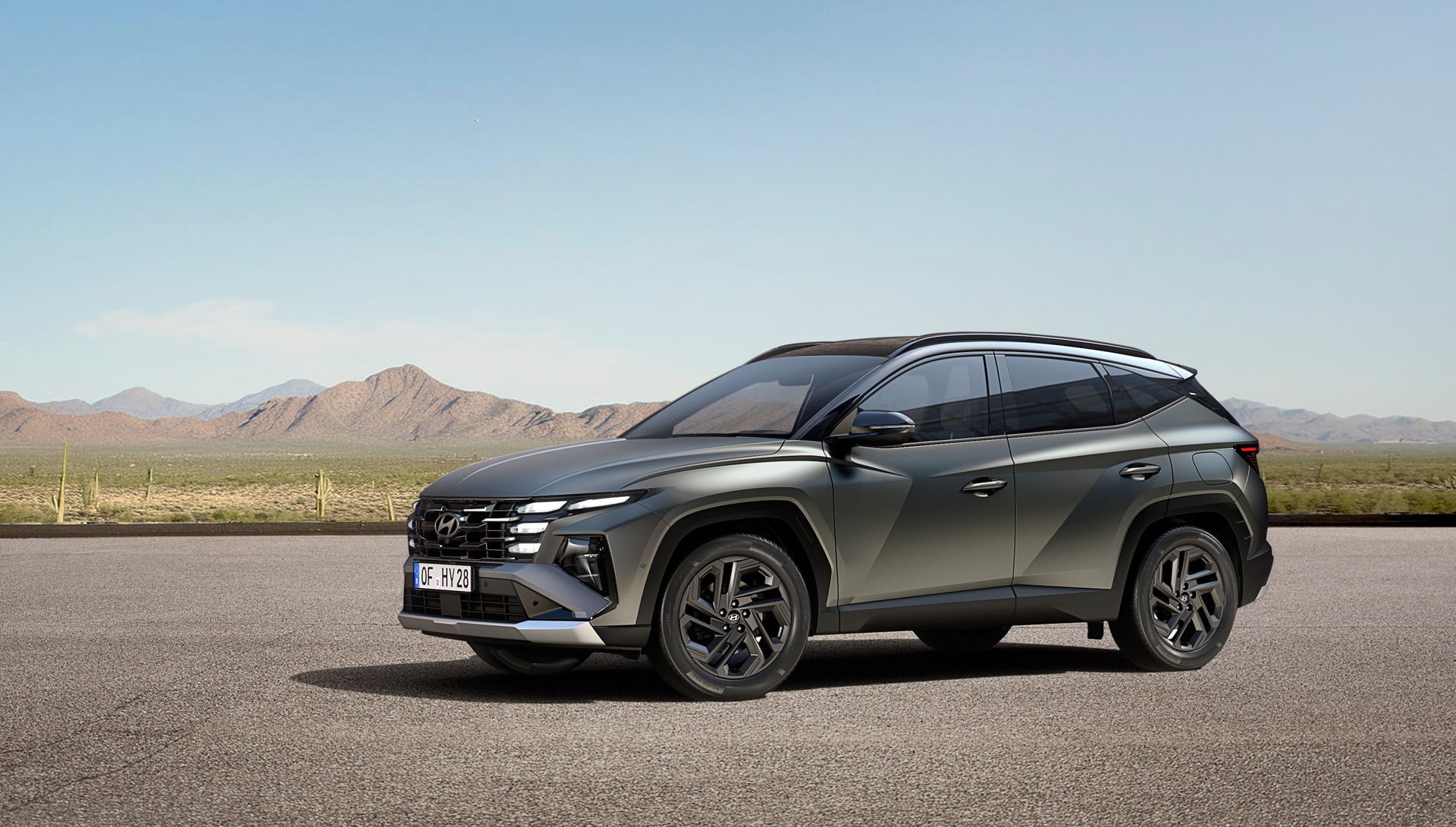
2026 Guide to Choosing a Compact SUV with an ECO Label in Spain: we compare WLTP and real-world consumption, reliability by brand and total cost of ownership over 4 years. Toyota, Hyundai, Kia, MG, Suzuki and Honda under the microscope.
The ECO label is no longer a tax quirk for avoiding traffic restrictions. In 2026, with more low-emission zones operating in provincial capitals, it determines whether you can enter the city centre on any given Tuesday. Yet not all ECO-labelled cars are equal when it comes to real-world consumption, reliability or what the car will actually cost you over four years of use. That is the trap of buying by looking only at the sticker.
What the ECO label really means in 2026
The DGT awards the ECO label to conventional hybrids (HEV), plug-in hybrids with limited electric range, gas-powered vehicles and some mild hybrids that meet certain emissions thresholds. It is not the same as the Zero label, which is reserved for pure electric cars and PHEVs with more than 40 km of homologated electric range. In practice, for a compact SUV used daily across city and motorway, the ECO label is usually the option with the best balance between range, price and traffic restrictions. On paper it is a reasonable middle ground. In practice, it depends a great deal on the brand.
WLTP vs real-world consumption: the difference you need to budget for
The WLTP cycle measures under controlled conditions that almost nobody reproduces behind the wheel. A compact hybrid SUV homologated at 5.6 l/100 km can easily consume 6.5-7 l/100 km on the motorway at 120 km/h with the air conditioning on. The gap widens sharply on motorways, where the hybrid system can barely recover energy during braking. In town and on short trips, by contrast, these cars come much closer to their homologated figure — something we already explained when discussing hybrid cars for short trips, where the urban cycle clearly favours the full hybrid over the diesel or a poorly managed PHEV.
Reliability by brand: what after-sales data tells us
Toyota remains the benchmark for hybrid system reliability, with over two decades of experience with the HSD system and very few battery issues reported at official workshops. Hyundai and Kia, which share platform and group components, have improved considerably since 2020, although a few isolated cases involving battery management software have led to review campaigns. Honda has less track record in the compact segment, but its e:HEV technology inherits proven reliability from earlier models. MG and Suzuki are the reasonable unknowns: a good commercial warranty — seven years in the case of MG — though with less accumulated history on the Spanish market to speak about with the same certainty.
Total cost of ownership over 4 years: the calculation that really matters
A cheap purchase does not always mean cheap ownership. TCO over four years adds up depreciation, maintenance, insurance, fuel and taxes. A well-chosen compact ECO SUV can save between €1,500 and €2,500 compared with an equivalent petrol model over that period, especially if the driver covers more than 15,000 km a year. Depreciation is the variable that hurts most: Toyota and Honda hold their residual value better than MG or Suzuki, which offsets a slightly higher starting price.
The best compact SUVs with an ECO label on the Spanish market
Toyota Corolla Cross — from €35,920
| Power (CV) | WLTP consumption | Label | Fuel |
|---|---|---|---|
| 140-180 | 5.0-5.3 l/100 km | ECO | Hybrid |
Reference for the segment. It doesn’t stand out for design, nor for dynamism, but it delivers a solidity that few rivals match in real-world consumption.
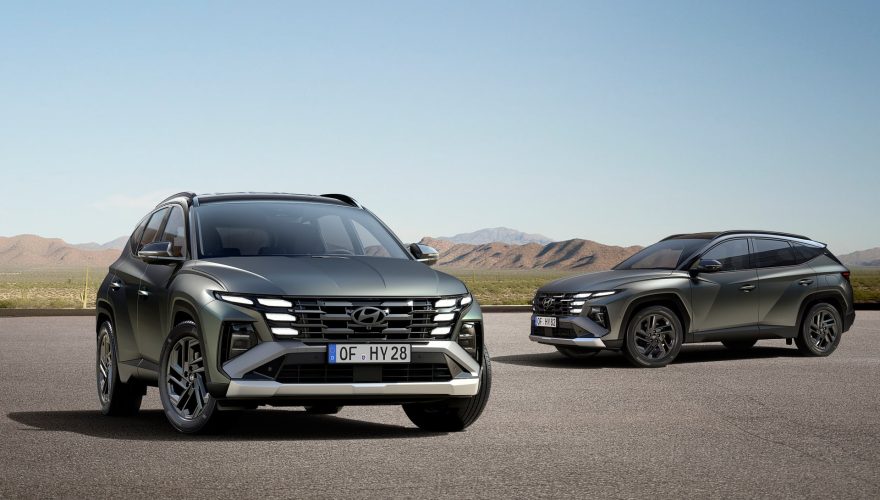
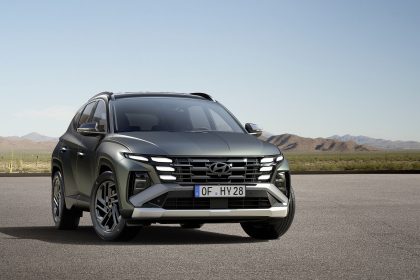
Hyundai Tucson Hybrid — from €32,095
| Power (CV) | WLTP consumption | Label | Fuel |
|---|---|---|---|
| 239 | 5.6 l/100 km | ECO | Hybrid |
More powerful than the Corolla Cross, with an interior that feels a step up in materials. Real-world consumption rises somewhat more on the motorway.
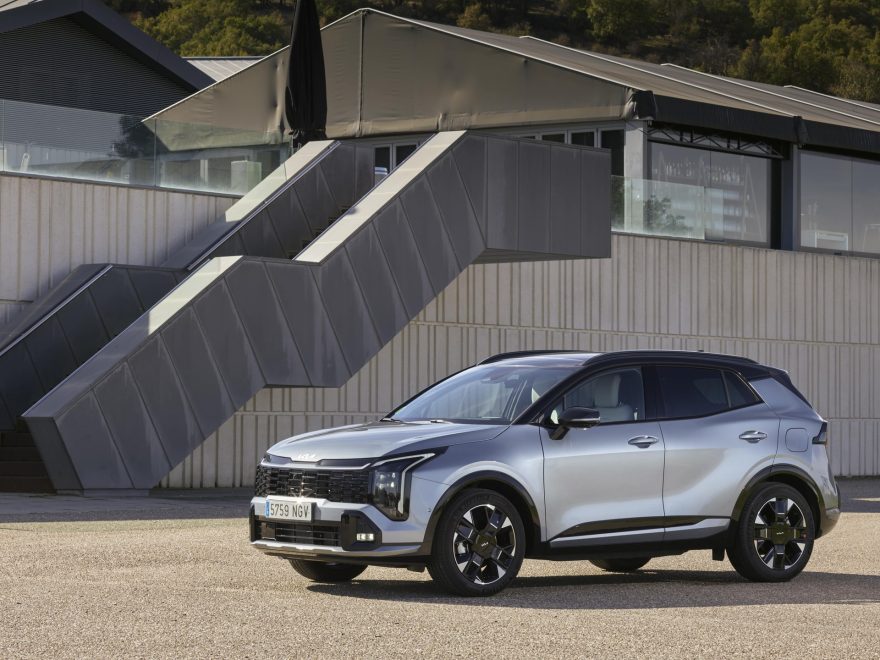
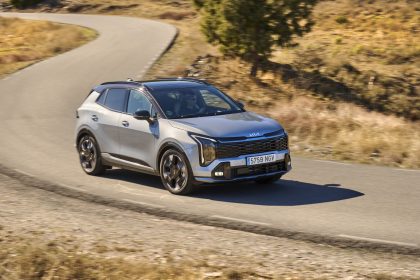
Kia Sportage Hybrid — from €35,000
| Power (CV) | WLTP consumption | Label | Fuel |
|---|---|---|---|
| 239 | 5.8 l/100 km | ECO | Hybrid |
Mechanically a sibling of the Tucson, though with a bolder design that not everyone warms to. Seven-year warranty, a weighty argument.
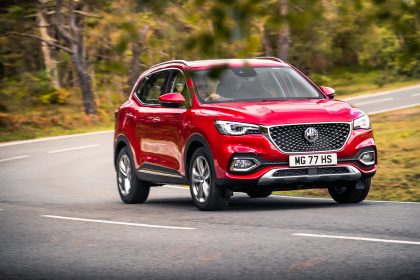
MG HS Hybrid+ — from €24,840
| Power (CV) | WLTP consumption | Label | Fuel |
|---|---|---|---|
| 224 | 5.5 l/100 km | ECO | Hybrid |
The most aggressively priced option in the group. Generous standard equipment, although the finish of certain plastics reveals where costs were cut.
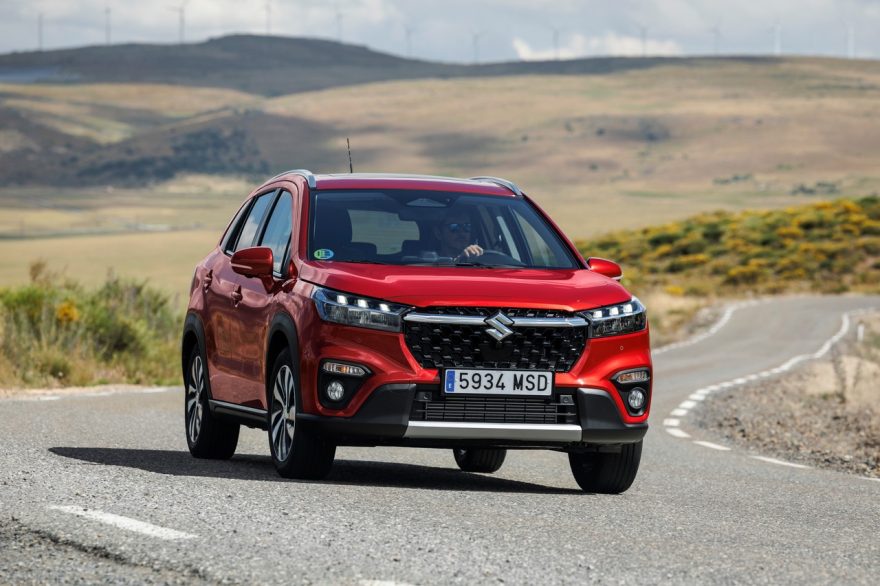
Suzuki S-Cross Hybrid — from €23,616
| Power (CV) | WLTP consumption | Label | Fuel |
|---|---|---|---|
| 110 | 5.4 l/100 km | ECO | Hybrid |
Mild hybrid, not a full hybrid. It consumes somewhat more than its rivals, but its optional ALLGRIP all-wheel drive is a unique selling point in this price range.
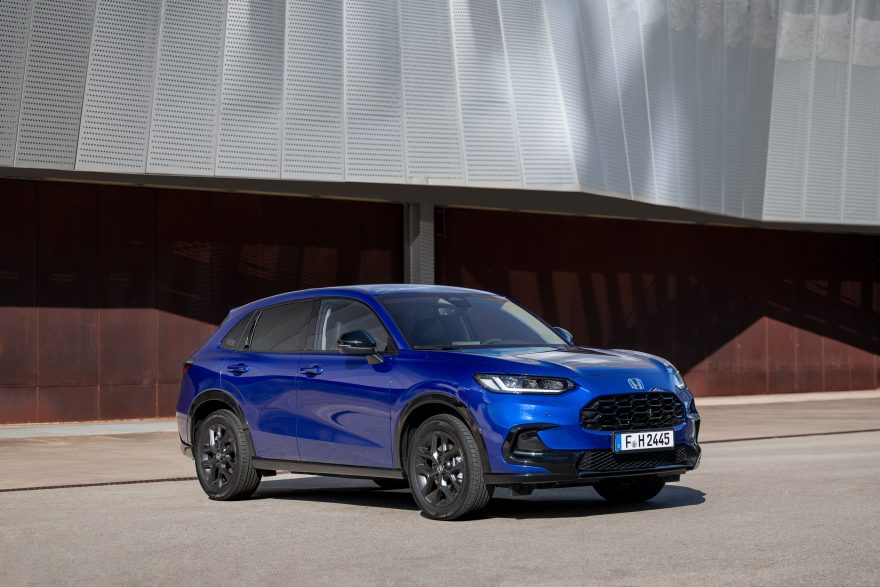
Honda ZR-V e:HEV — from €37,950
| Power (CV) | WLTP consumption | Label | Fuel |
|---|---|---|---|
| 184 | 5.8 l/100 km | ECO | Hybrid |
The most expensive on the list, and it shows in the perceived quality. A more refined driving feel than the segment average.
Comparative summary table
| Model | Price from | Power (CV) | WLTP consumption | Reliability (1-10) | 4-year TCO (1-10) |
|---|---|---|---|---|---|
| Toyota Corolla Cross | €35,920 | 140-180 | 5.0-5.3 l/100 km | 9.5 | 9 |
| Hyundai Tucson Hybrid | €32,095 | 239 | 5.6 l/100 km | 8 | 7.5 |
| Kia Sportage Hybrid | €35,000 | 239 | 5.8 l/100 km | 8 | 7.5 |
| MG HS Hybrid+ | €24,840 | 224 | 5.5 l/100 km | 6.5 | 8 |
| Suzuki S-Cross Hybrid | €23,616 | 110 | 5.4 l/100 km | 7 | 7.5 |
| Honda ZR-V e:HEV | €37,950 | 184 | 5.8 l/100 km | 8.5 | 7 |
Which SUV to choose according to your usage profile
For city and short trips
The Toyota Corolla Cross and the MG HS come closer to their homologated consumption in pure urban use, where the electric motor does most of the work.
For families with long journeys
Hyundai Tucson and Kia Sportage offer more power and boot space, something we already analysed when discussing premium hybrid SUVs for travelling, where comfort on the motorway matters more than minimum consumption.
For self-employed drivers and heavy use
Suzuki S-Cross with all-wheel drive, or the Toyota Corolla Cross for its accumulated reliability, handle high mileage better without workshop scares.
Public aid and taxation: how the Plan Auto+ affects you
Non-plug-in hybrids do not usually fall within the most generous tiers of purchase aid, which are reserved mainly for electric cars and PHEVs with a minimum range. Even so, it is worth checking the current Plan Auto+ conditions on the official website before signing, because amounts and requirements change fairly often and what applies today may not in a few months.
Frequently asked questions
Which compact SUV with an ECO label consumes least in real-world use?
The Toyota Corolla Cross tends to come closer to its WLTP figure in mixed use, thanks to a very mature hybrid system that prioritises electric mode in town.
Is it worth paying more for an ECO SUV than a petrol one?
If you cover more than 15,000 km a year, the fuel savings and exemption from low-emission zone restrictions usually offset the price difference within 3-4 years.
Does the ECO label expire or can it be lost?
It does not expire as long as the vehicle keeps its original homologated configuration; it depends on the type of powertrain, not on the age of the car.
Which brand offers the best reliability in compact hybrids in 2026?
Toyota leads on after-sales track record, closely followed by Honda; Hyundai and Kia have considerably narrowed the gap in recent years.
Technical specifications of the cars in this article


 Kia offers an electric range of 10 models, 50 versions and 400 possible combinations
 The seven finalists for the 2027 European Car of the Year (COTY) are exclusively electric
 Peugeot E-208 GTi: a battery-powered toy that revives the spirit of the 1980s sports cars
Deja un comentario