Atto 3 Bayon BYD Captur Dacia Duster Hyundai KIA MG Renault Stonic Toyota Yaris Yaris Cross ZS Buying Guides Rankings SUV Urban
2026 ranking: the 6 urban SUVs with the best equipment-to-price ratio under €28,000
 Iván Navarro
27 November 2026
6 min.
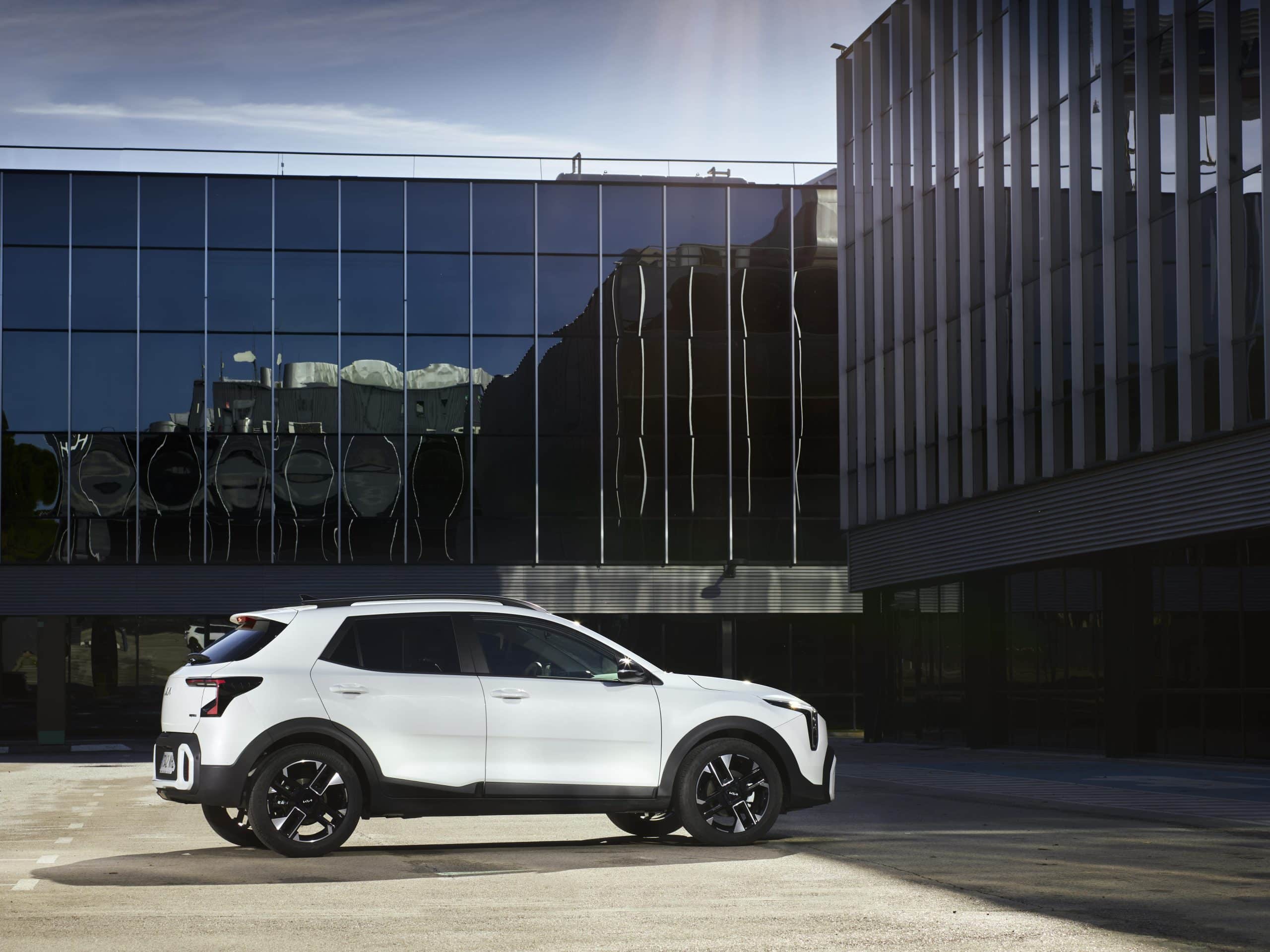
An objective comparison of six segment B SUVs on sale in Spain for less than €28,000, rated for their standard equipment-to-price ratio and warranty. Dacia, Renault, Hyundai, Kia, Toyota and MG put to the test with verifiable technical data.
Buying an urban SUV in 2026 without going over €28,000 no longer means giving up anything essential. Standard ADAS, a reasonably sized touchscreen, Apple CarPlay and Android Auto wireless, automatic climate control… all the things that a decade ago were high-end options now come as standard on mid-range trims. The question is no longer what is missing, but what is superfluous and what is really missing in each spec sheet. That is where this ranking comes in.
What do we mean by a “good equipment-to-price ratio” in an urban SUV?
We are not talking about the cheapest version in the range, the one that usually comes stripped down to grab the headline from. We are talking about the trim that, within the €28,000 ceiling, offers the most real equipment per euro spent: autonomous emergency braking, forward collision warning, a screen of at least 8 inches, automatic climate control and a competitive warranty. A point that, in our view, gets overlooked far too often in general-purpose comparisons.
Methodology: how we built this ranking
We based our figures on official list prices in Spain in 2026, discounting one-off dealer offers that distort the picture. We assessed four blocks: standard ADAS, infotainment and connectivity, climate control, and manufacturer warranty — this last point, in our opinion, undervalued in most rankings out there. The final score (out of 10) weighs these four factors together with the entry price of the recommended trim, not the base one.
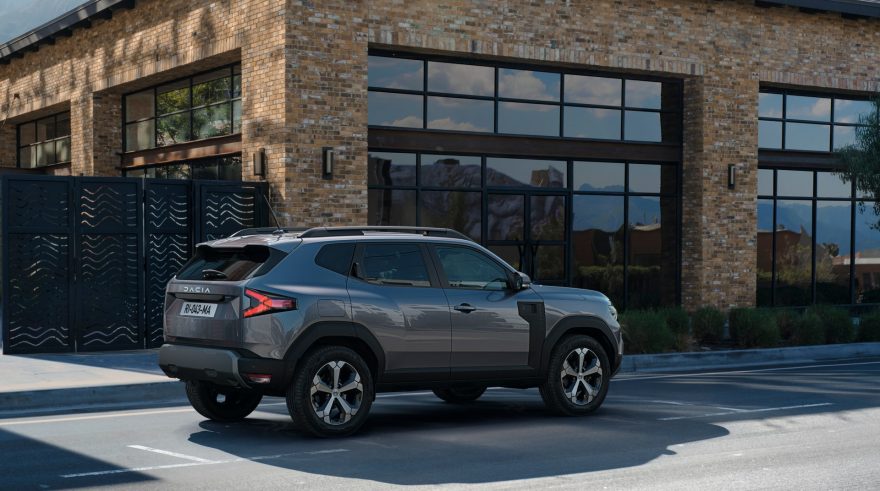
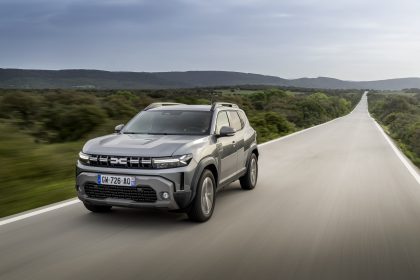
Dacia Duster — from €19,990
The Duster remains the best-resolved low-cost engineering exercise on the market. In Expression trim it already includes six airbags, adaptive cruise control and a 10-inch screen, something you would only have seen in the brand’s higher ranges three years ago. The Hybrid 140 version adds extra smoothness in town that more than makes up for the premium over the petrol version.
| Power (kW) | Power (CV) | Consumption | Label | Fuel |
|---|---|---|---|---|
| 103 kW | 140 CV | 5.0 l/100 km | ECO | Hybrid |
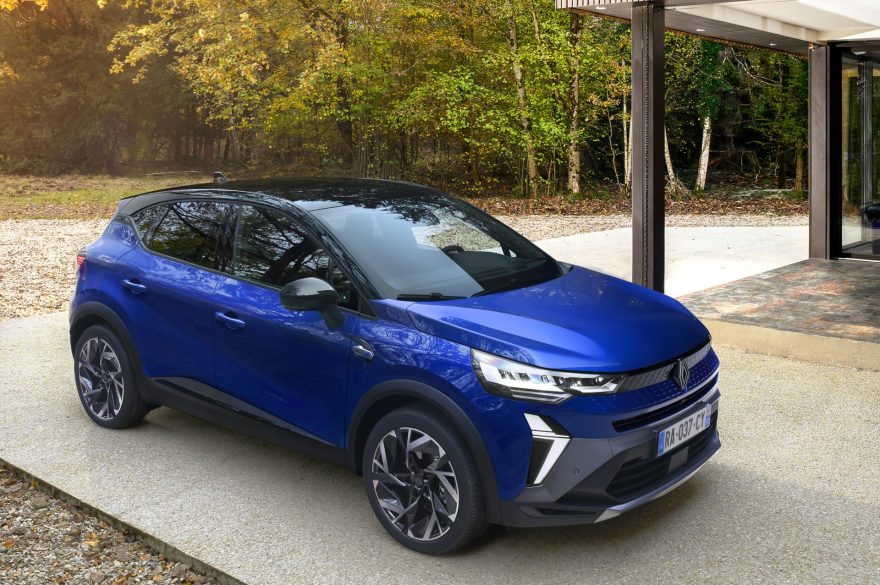
Renault Captur — from €22,900
The Captur plays in a different league when it comes to perceived interior quality, and that shows in the price. Even so, in Techno trim it includes connected navigation, a rear camera and a full safety package that puts it on par with premium rivals in the segment. It is not the cheapest on the list, but it is probably the one that ages best on the inside.
| Power (kW) | Power (CV) | Consumption | Label | Fuel |
|---|---|---|---|---|
| 103 kW | 140 CV | 5.8 l/100 km | ECO | Mild hybrid |
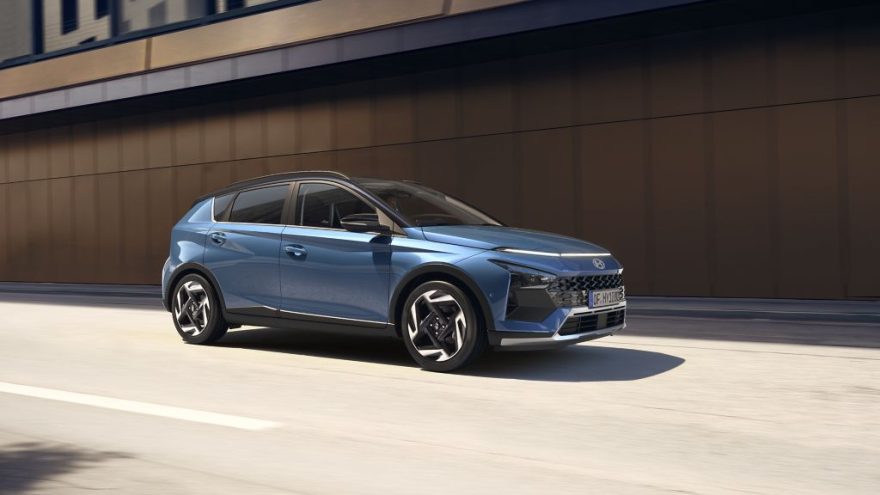
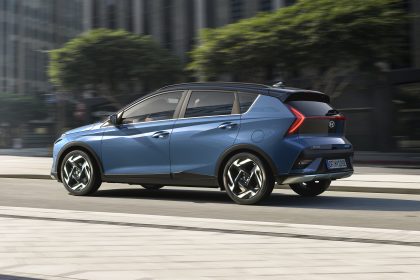
Hyundai Bayon — from €23,249
The most urban on the list in terms of size, and also one of the most complete in ADAS for its price: lane-keeping assist, blind-spot detection and autonomous braking come as standard from the entry trim. The five-year warranty with no mileage limit from Hyundai remains, for us, an argument that weighs more than marketing gives it credit for.
| Power (kW) | Power (CV) | Consumption | Label | Fuel |
|---|---|---|---|---|
| 74 kW | 100 CV | 5.3 l/100 km | ECO | Mild hybrid |
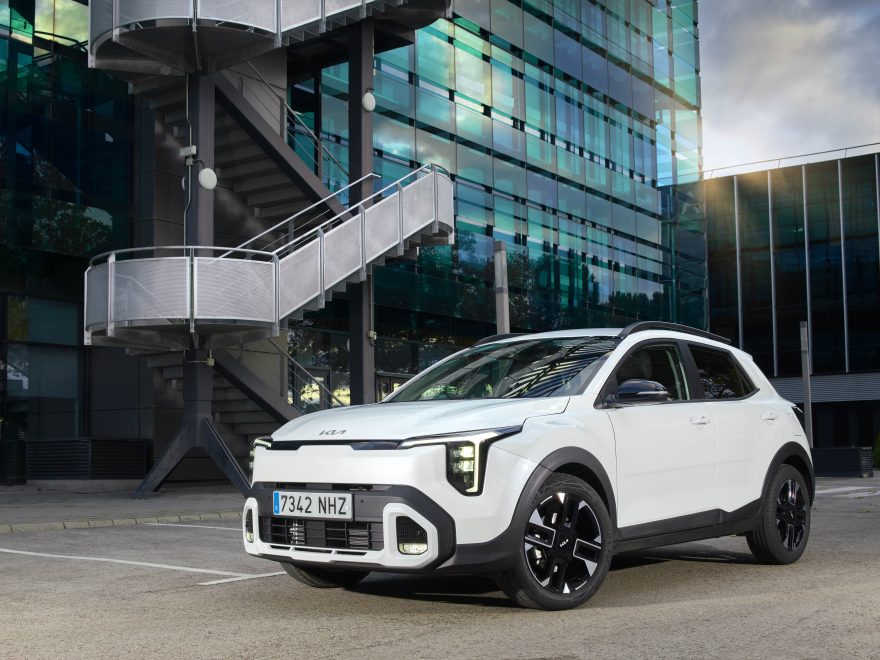
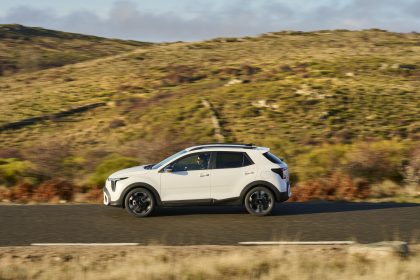
Kia Stonic — from €24,069
The Stonic has not changed its philosophy: a small, agile SUV with no pretensions of being an off-roader, but with an infotainment system that has taken a notable leap in its latest update. 8-inch screen, wireless connectivity and seven years of warranty which, in practice, is the strongest commercial argument Kia has in this segment.
| Power (kW) | Power (CV) | Consumption | Label | Fuel |
|---|---|---|---|---|
| 74 kW | 100 CV | 5.7 l/100 km | C | Petrol |
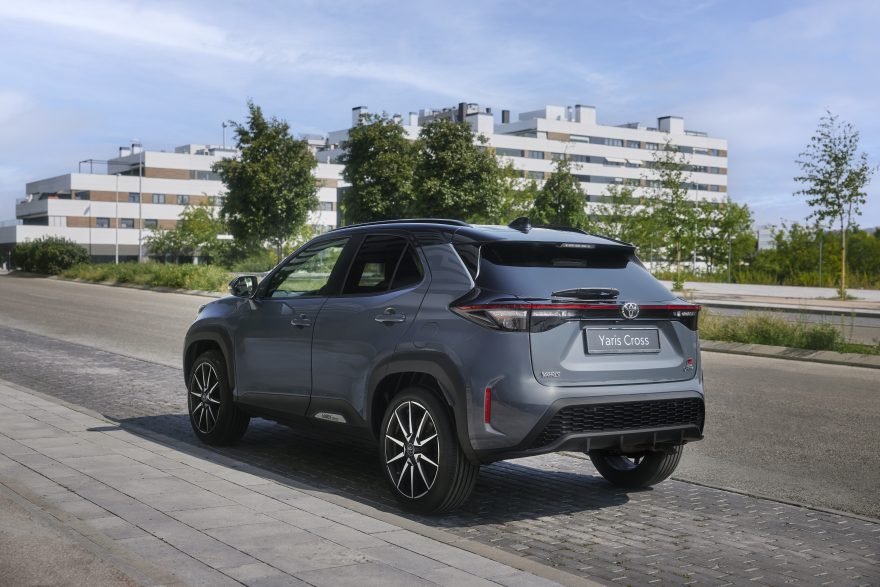
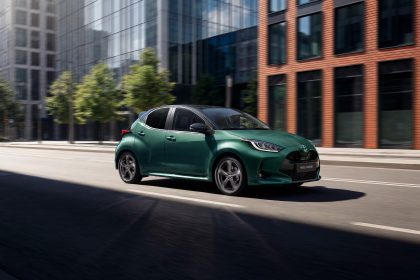
Toyota Yaris Cross — from €25,950
If real-world consumption weighs on your decision, here is the benchmark. We already covered this in the full analysis of the Yaris Cross: its self-charging hybrid is rated at 4.5 l/100 km and drops below that figure in town without effort, something no rival on this list matches today. The entry price is higher, but the five-year cost of ownership usually makes up for it.
| Power (kW) | Power (CV) | Consumption | Label | Fuel |
|---|---|---|---|---|
| 96 kW | 130 CV | 4.5 l/100 km | ECO | Hybrid |
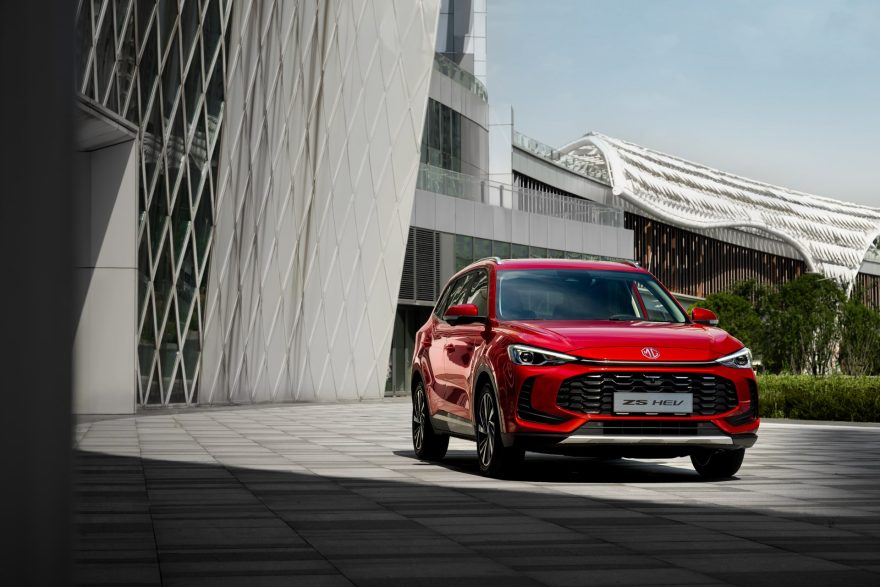
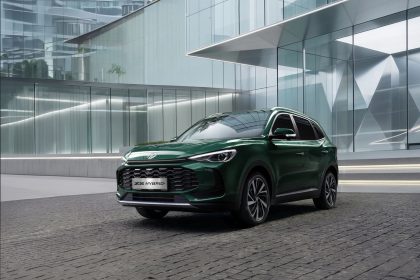
MG ZS — from €20,990
MG has understood the game better than anyone: pack in plenty of equipment — full ADAS, wireless charger, large screen — and push the price down. It is not the perfect answer either: the interior plastics feel a step below those of Hyundai or Kia, something we already pointed out when comparing the MG ZS with the BYD Atto 3. Even so, on a pure euros-per-equipment-item basis, it is hard to beat.
| Power (kW) | Power (CV) | Consumption | Label | Fuel |
|---|---|---|---|---|
| 85 kW | 115 CV | 6.5 l/100 km | C | Petrol |
Ranking summary table
| Model | Price from | Fuel | Warranty | Score |
|---|---|---|---|---|
| MG ZS | €20,990 | Petrol | 7 years | 9.1 |
| Dacia Duster | €19,990 | Hybrid | 3 years | 8.8 |
| Kia Stonic | €24,069 | Petrol | 7 years | 8.6 |
| Hyundai Bayon | €23,249 | Mild hybrid | 5 years | 8.4 |
| Toyota Yaris Cross | €25,950 | Hybrid | 15 years* | 8.2 |
| Renault Captur | €22,900 | Mild hybrid | 3 years | 7.6 |
*Warranty Toyota extended through a maintenance plan at official dealerships.
Our verdict
If the criterion is pure equipment-to-price ratio, the MG ZS wins by a clear margin. But if what you are after is long-term peace of mind — proven reliability, a wide after-sales network, low real-world consumption — the Toyota Yaris Cross and the Kia Stonic justify their slightly higher price. The Dacia Duster remains the most honest option for anyone who prioritises every euro spent above all else. It remains to be seen whether Renault reacts by cutting the prices of the Captur’s mid-range trims further in the coming months; for now, it is the least convincing in this particular equation.
For those who also value other electrified options or want to reduce the upfront outlay, it is worth remembering that the Plan Auto+ is aimed exclusively at pure electric and plug-in hybrid vehicles (CERO label), so it falls outside the models in this comparison. Amounts and fund availability vary depending on the status of the call for applications and the autonomous community, so it is always most reliable to check the plan’s official website before closing the deal. And if the size of the Duster or the Captur feels too small for you, our guide on how to choose a small SUV for the city covers the manoeuvrability differences between segments well.
Frequently asked questions
Which urban SUV has the best equipment-to-price ratio under €28,000 in 2026?
According to our analysis, the MG ZS tops the ranking for the amount of ADAS and technology equipment included as standard relative to its entry price, closely followed by the Dacia Duster.
Is it worth paying more for the Toyota Yaris Cross compared with cheaper rivals?
If use is mostly urban and real-world consumption matters to you, yes: its ECO label and rated consumption of 4.5 l/100 km (even lower in town) make up for the higher price over the medium term.
Which urban SUV offers the best factory warranty in Spain?
Kia and MG offer up to seven years of factory warranty, ahead of the five years from Hyundai, while Toyota allows it to be extended up to 15 years through its official maintenance programme.
Can the Plan Auto+ be applied to these models?
No, the Plan Auto+ is reserved exclusively for pure electric (BEV) and plug-in hybrid (PHEV) vehicles with the CERO label, so neither the petrol versions nor the self-charging or mild hybrids on this list can benefit from these aids.
Technical specifications of the cars in this article


 Kia offers an electric range of 10 models, 50 versions and 400 possible combinations
 The seven finalists for the 2027 European Car of the Year (COTY) are exclusively electric
 Peugeot E-208 GTi: a battery-powered toy that revives the spirit of the 1980s sports cars
Deja un comentario