Citroen Ducato Fiat Ford Jumper Master Mercedes Renault Sprinter Transit Comparisons Furgonetas Buying Guides
How to Choose a Large Van for International Transport in 2026: Load Capacity, Comfort and Motorway Fuel Consumption
 Iván Navarro
27 November 2026
7 min.
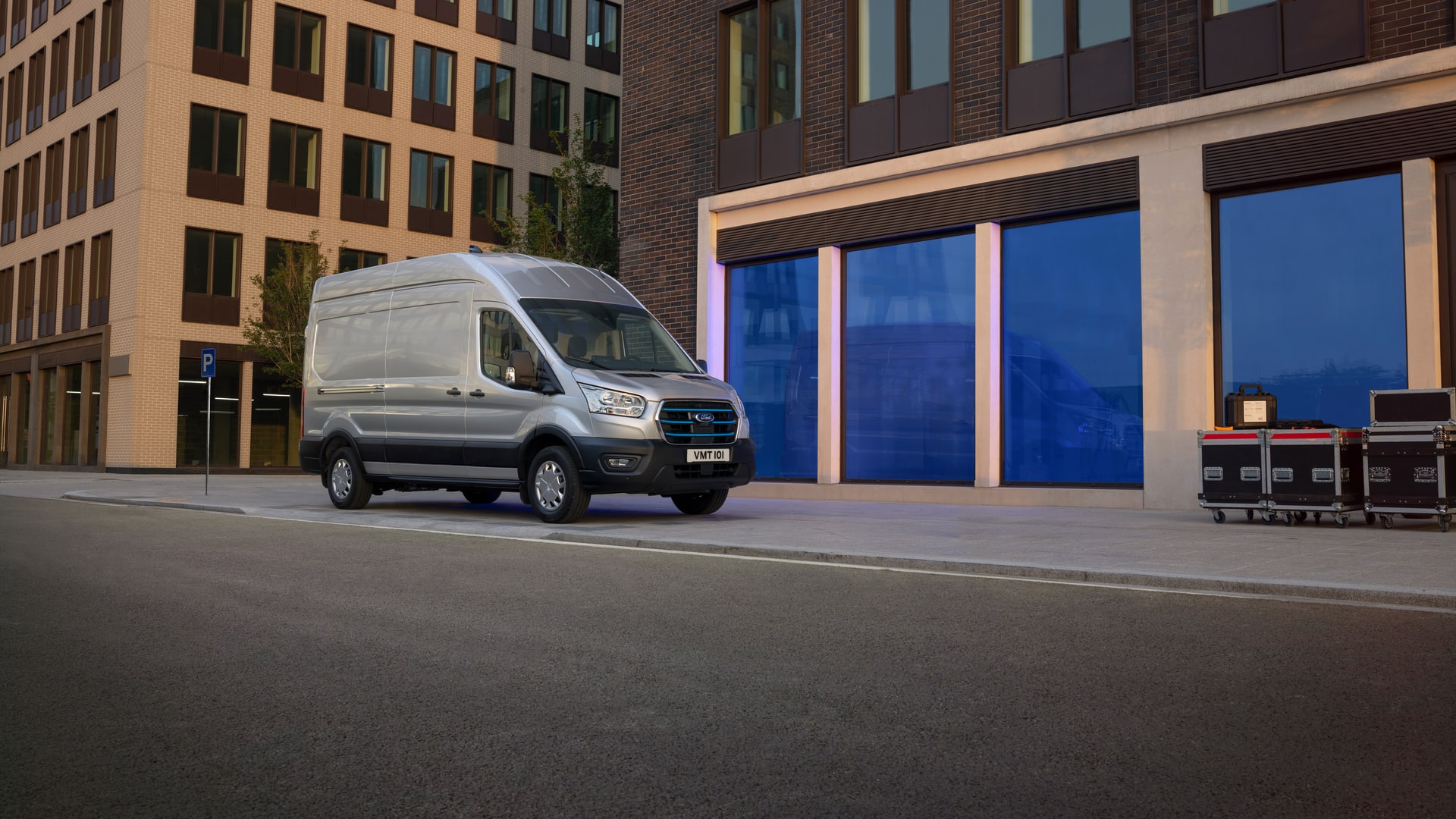
Choosing a large van for international transport is not the same as choosing a medium van for urban deliveries. Here, consecutive motorway kilometres, borders, mandatory rest breaks and a driver who spends eight or ten hours a day at the wheel all come into play. Spain’s 2026 market offers ten serious 3.5-tonne candidates with high-volume bodies, and it is worth looking at three variables before signing: how much they carry, how much they tire you out and how much they consume at cruising speed.

Load capacity: the criterion that matters most in international transport
There is no getting around it: in international transport, cargo volume and payload determine the profitability of a journey more than any other figure in the catalogue. A van that carries 400 kg less than its direct rival may mean one pallet less per trip, and on routes such as Madrid–Amsterdam or Barcelona–Warsaw that translates into real money every week.
Volume in m³ and payload: how to read the data sheets
The figure that really matters is not the catalogue gross volume, but the usable volume after lining the floor and walls, and the real payload once the vehicle’s own weight has been subtracted, with a full tank and the driver on board. Between 14 and 17 m³ is the usual range for the longest-wheelbase, high-roof versions, with payloads ranging from 1,000 to 1,500 kg depending on engine and equipment.
L4H3 panel van: the standard for long-haul routes
The combination of a long wheelbase and a super-high roof—what the Stellantis platform calls L4H3—has become the de facto standard for anyone covering long distances with bulky goods. It allows you to work standing up inside, something any haulier who loads and unloads several times a day will appreciate, and it maximises volume without pushing consumption up as much as you might expect.
Cabin comfort and Level 2 ADAS for European routes
This is where the generational leap of 2026 shows. Large vans are no longer austere tools: they now come with air-suspension seats, dual-zone climate control and, above all, Level 2 driver assistance systems that were once exclusive to premium saloons.
Which assistance systems make the difference on the motorway
Adaptive cruise control with stop-and-go, active lane keeping and fatigue warning are almost standard across the whole 2026 range. For me, the one that really makes the difference on an eight-hour journey is a well-calibrated adaptive cruise control: it reduces the driver’s mental load and, at the same time, smooths consumption by avoiding unnecessary braking and acceleration. It is no panacea—in dense border traffic it still demands full attention—but on a clear motorway it completely changes the experience.

Motorway consumption at 100–110 km/h: the calculation that matters
Homologation figures rarely match what the on-board computer shows at 110 km/h with a load. In practice, large 3.5-tonne diesel vans run in a range of 9 to 11.5 l/100 km on the motorway when loaded, with the 2.0 twin-turbo engines of 140–177 hp as the most balanced option between pulling power and consumption. Electric versions exist—the e-Sprinter or the electric Crafter are already on sale in Spain—but with real-world ranges of 200–300 km they do not yet cover a Madrid–Frankfurt route without very long charging stops. For international transport, diesel remains, today, the reasonable option.
Comparison of large vans 2026 available in Spain
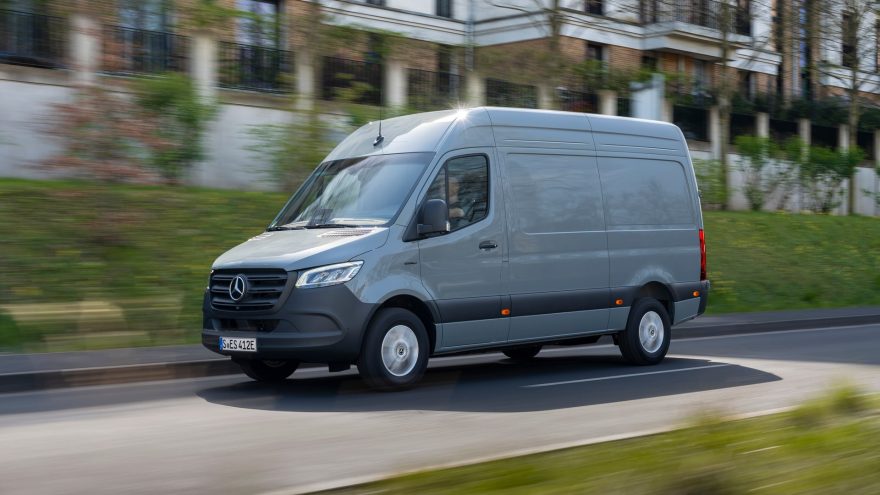
Mercedes-Benz Sprinter, from 44,800 € approx.
The reference of the premium segment. Very well-insulated cabin and the MBUX system with a large screen available as an option.
| Engine | Power (hp) | Motorway consumption | Label | Fuel |
|---|---|---|---|---|
| 2.0 CDI | 170 | 10.5 l/100 km | C | Diesel |
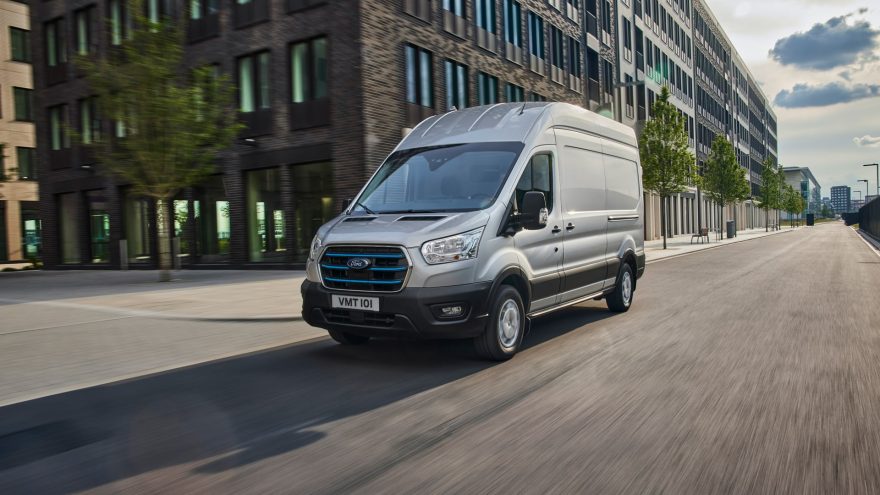
Ford Transit, from 38,900 € approx.
Precise steering and one of the best driving dynamics in the group, unusual for a van of this size.
| Engine | Power (hp) | Motorway consumption | Label | Fuel |
|---|---|---|---|---|
| 2.0 EcoBlue | 165 | 10.2 l/100 km | C | Diesel |

Volkswagen Crafter, from 38,500 € approx.
It shares much of the Sprinter’s cabin philosophy, with a feel of materials that in our view is among the best in the segment.
| Engine | Power (hp) | Motorway consumption | Label | Fuel |
|---|---|---|---|---|
| 2.0 TDI | 177 | 10.8 l/100 km | C | Diesel |

Renault Master, from 33,500 € approx.
Cargo volume among the most generous in its category and a price-to-equipment ratio that remains its best asset.
| Engine | Power (hp) | Motorway consumption | Label | Fuel |
|---|---|---|---|---|
| 2.0 Blue dCi | 150 | 10.0 l/100 km | C | Diesel |
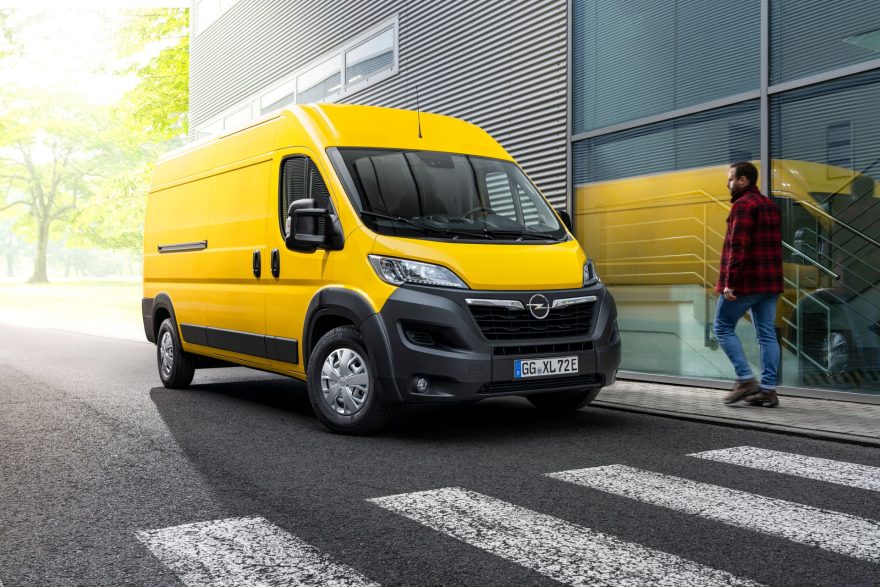
Opel Movano, from 32,900 € approx.
Mechanically related to Stellantis models such as the Ducato or the Jumper, with a functional cabin and fleet discounts that are often very competitive.
| Engine | Power (hp) | Motorway consumption | Label | Fuel |
|---|---|---|---|---|
| 2.2 BlueHDi | 140 | 9.9 l/100 km | C | Diesel |

Fiat Ducato, from 32,500 € approx.
The veteran of the segment and probably the most widespread in international transport fleets thanks to its network of workshops across Europe.
| Engine | Power (hp) | Motorway consumption | Label | Fuel |
|---|---|---|---|---|
| 2.2 Multijet | 140 | 9.8 l/100 km | C | Diesel |
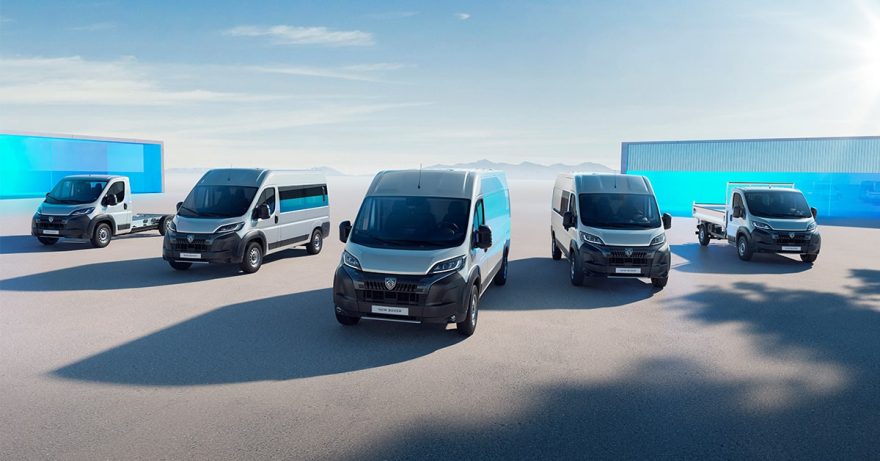
Peugeot Boxer, from 32,800 € approx.
Platform sibling of the Ducato, with a cabin finish that has improved notably in the latest update.
| Engine | Power (hp) | Motorway consumption | Label | Fuel |
|---|---|---|---|---|
| 2.2 BlueHDi | 140 | 9.9 l/100 km | C | Diesel |

Citroën Jumper, from 32,600 € approx.
The third vertex of the Stellantis triangle, with a price positioning that makes it very competitive for large fleets.
| Engine | Power (hp) | Motorway consumption | Label | Fuel |
|---|---|---|---|---|
| 2.2 BlueHDi | 140 | 9.9 l/100 km | C | Diesel |

Iveco Daily, from 43,900 € approx.
More robust construction chassis, with a steel frame that brings it closer to the world of light trucks. For very demanding loads, it remains a must-see.
| Engine | Power (hp) | Motorway consumption | Label | Fuel |
|---|---|---|---|---|
| 3.0 Diesel | 160 | 11.2 l/100 km | C | Diesel |
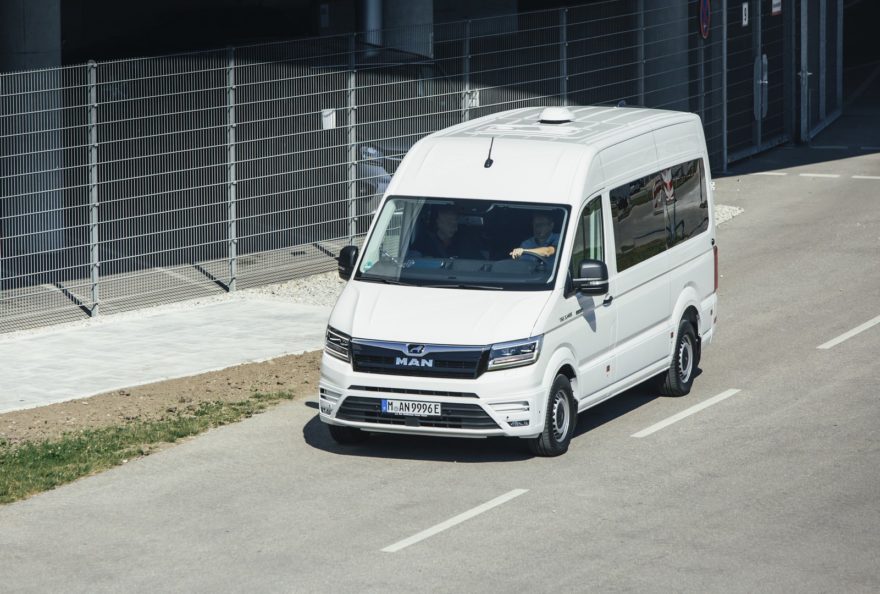
MAN TGE, from 38,900 € approx.
Technical twin of the Crafter with the aftersales seal of MAN trucks, interesting for fleets that already work with the brand on other vehicles.
| Engine | Power (hp) | Motorway consumption | Label | Fuel |
|---|---|---|---|---|
| 2.0 TDI | 177 | 10.7 l/100 km | C | Diesel |
Comparative summary table
| Model | Power (hp) | Motorway consumption | Price from | Rating |
|---|---|---|---|---|
| Mercedes-Benz Sprinter | 170 | 10.5 l/100 km | 44,800 € | 9 |
| Ford Transit | 165 | 10.2 l/100 km | 38,900 € | 8.5 |
| Volkswagen Crafter | 177 | 10.8 l/100 km | 38,500 € | 8.5 |
| Renault Master | 150 | 10.0 l/100 km | 33,500 € | 8 |
| Opel Movano | 140 | 9.9 l/100 km | 32,900 € | 7.5 |
| Fiat Ducato | 140 | 9.8 l/100 km | 32,500 € | 8 |
| Peugeot Boxer | 140 | 9.9 l/100 km | 32,800 € | 7.5 |
| Citroën Jumper | 140 | 9.9 l/100 km | 32,600 € | 7.5 |
| Iveco Daily | 160 | 11.2 l/100 km | 43,900 € | 8 |
| MAN TGE | 177 | 10.7 l/100 km | 38,900 € | 8 |
Models not sold in Spain: warning
It is worth clarifying something we see repeated on haulier forums: vans such as the American RAM ProMaster or Asian large-volume variants circulating in markets outside Europe are neither approved nor on sale in Spain. If a salesperson or an import advert mentions them, the prudent course is to check European type approval before signing anything.
Which one to choose depending on your use
If the criterion is pure volume and acquisition cost, the Ducato, Boxer and Jumper remain the most reasonable choice. If the driver spends very long days at the wheel, the Sprinter and Crafter justify their premium through cabin comfort. And if the priority is very heavy loads with a reinforced chassis, the Daily has no direct rival in this group. For those who also value technology equipment in the passenger segment, our comparison between the Volkswagen Multivan and the Mercedes-Benz V-Class gives clues about how brands carry that comfort DNA over to their cargo vans. And if budget is the deciding factor, it is worth reviewing our ranking of diesel medium vans first, in case the volume of a large van turns out to be unnecessary for your operation.
Frequently asked questions
Which large van should I buy for international transport in 2026?
It depends on the balance you seek between payload, comfort and price. The Mercedes-Benz Sprinter and Volkswagen Crafter lead in cabin comfort; the Fiat Ducato, Peugeot Boxer and Citroën Jumper offer the best load-to-price ratio.
How much does a large diesel van consume on the motorway at 110 km/h?
Between 9.8 and 11.2 l/100 km loaded, depending on engine and body aerodynamics, with the L4H3 versions at the top of that range.
Are electric vans suitable for long-distance international transport?
Not competitively, today. With real-world ranges of 200–300 km, models such as the e-Sprinter are better suited to urban or regional delivery than to cross-border routes without multiple charging stops.
What exactly is an L4H3 panel van?
It is the designation for a long wheelbase and super-high roof that maximises interior cargo volume, allowing you to work standing up inside the vehicle. It is the most in-demand configuration for international transport of bulky goods.
Technical specifications of the cars in this article

 Kia offers an electric range of 10 models, 50 versions and 400 possible combinations
 The seven finalists for the 2027 European Car of the Year (COTY) are exclusively electric
 Peugeot E-208 GTi: a battery-powered toy that revives the spirit of the 1980s sports cars
Deja un comentario