A3 Audi BMW Clase A LBX Lexus Mercedes Serie 1 Volvo XC40 Hybrid Cars Compact Buying Guides
How to Choose a Premium Compact Hybrid in 2026: Real-World Efficiency, Perceived Quality and Driver-Assistance Technology
 Dani Montesinos
17 November 2026
6 min.
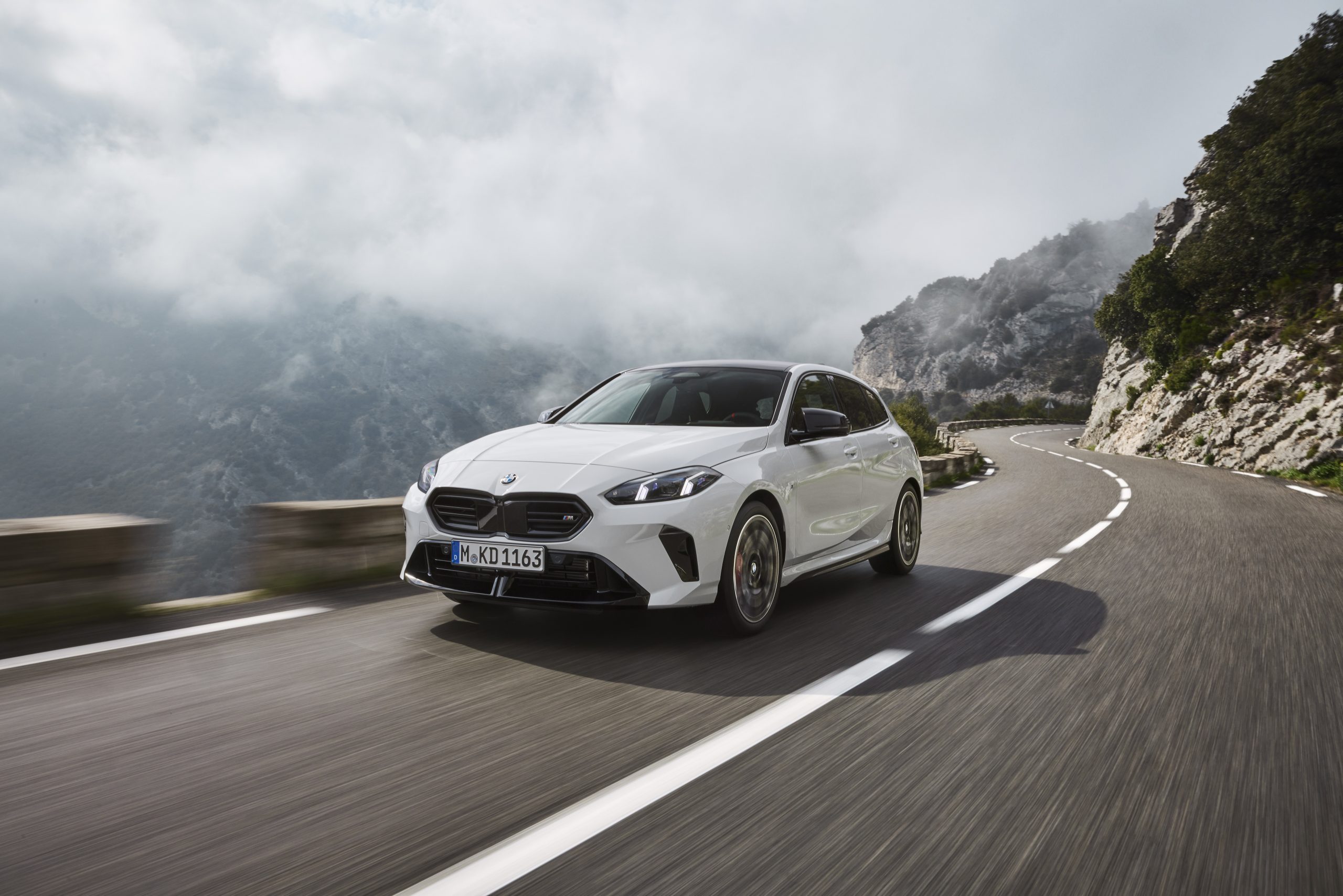
Buying guide for choosing a premium compact hybrid in 2026, comparing data such as real-world consumption, perceived quality and ADAS
Choosing a premium compact hybrid in 2026 is no longer about showing off a badge on the bonnet. It’s about numbers that hold up outside the laboratory, materials that survive three years of daily use without creaking, and driver assistance that works without becoming intrusive. The segment has filled up with serious contenders, and the final decision usually comes down to three very specific questions: how much does it really consume? how does it feel on the inside? and what technology does it come with, homologated rather than merely advertised?
What defines a premium compact hybrid in 2026
A efficient engine and a good-looking dashboard are no longer enough. A current premium electrified compact combines a mild hybrid or full hybrid with superior sound insulation, screens running fluid software and a suite of assistants that meets current safety regulations without being intrusive. The line between a well-equipped compact and a truly premium one lies above all in the details you don’t see on the spec sheet: the feel of a control stalk, the silence at 120 km/h, the absence of vibration when braking in hybrid mode.
Real efficiency versus the WLTP figure: how to read consumption
WLTP remains the homologated benchmark, but it’s best treated as an optimistic floor rather than a promise. In town, premium non-plug-in hybrids tend to come fairly close to their official figure thanks to energy recovery during constant braking. On the motorway the picture changes: there is no recovery to speak of, and the gap between the homologation figure and real consumption can reach 15-20% depending on aerodynamic load and cruising speed. Anyone buying with only urban journeys in mind will find very decent numbers; anyone doing daily motorway driving should also look at consumption at 120 km/h, not just the combined cycle.
Perceived quality: materials, sound insulation and ergonomics you can feel
This is where the German brands still set the benchmark, though not always with the same solidity they had a generation ago. The fit of soft plastics in contact areas, the thickness of the side glass and the stiffness of the chassis determine much of that “superior car” feeling that is paid for in the final price. We already discussed this when comparing the Audi A3 against the BMW 1 Series hybrids: sound insulation and the feel of the controls end up weighing as much as the mechanics when justifying the outlay.
Driver-assistance technology: which ADAS is worth having in 2026
Autonomous emergency braking and lane keeping are now standard across the whole segment, but the difference lies in calibration. An assistant that brakes at the wrong moment or jerks the steering wheel tires you more than it helps. What is desirable in 2026 is adaptive cruise control that reads speed-limit signs well, a reliable blind-spot warning and a sharp, non-pixelated 360º camera for manoeuvring in town.
The reference premium compact hybrids in Spain
BMW 1 Series 116, from €35,500
The 1 Series keeps the brand’s dynamic character with a 48V mild hybrid that smooths out starts and stops in town without losing agility on the open road.
| Power | Fuel | Label |
|---|---|---|
| 100 kW / 122 CV | Petrol + mild hybrid | ECO |
Mercedes A-Class A 200, from €43,178
The interior remains the segment benchmark for screens and finish, with a 48V mild hybrid that helps mainly with starts from standstill.
| Power | Fuel | Label |
|---|---|---|
| 120 kW / 163 CV | Petrol + mild hybrid | ECO |
Audi A3 Sportback TFSIe, from €49,160
The plug-in version of the A3 offers something neither BMW nor Mercedes match in this trio: a real electric range for short urban journeys without touching the fuel tank.
| Power | Fuel | Label |
|---|---|---|
| 150 kW / 204 CV | PHEV | CERO |
Lexus LBX, from €34,900
The Japanese alternative that debunks the idea that premium requires a plug: a full hybrid with no cables, very frugal consumption in town and the reliability that characterises the brand.
| Power | Fuel | Label |
|---|---|---|
| 100 kW / 136 CV | Hybrid | ECO |
Volvo XC40 B4, from €48,300
One step up in price, but with a different approach: a taller body, safety as the central selling point and a mild hybrid that prioritises comfort over punch.
| Power | Fuel | Label |
|---|---|---|
| 145 kW / 197 CV | Petrol + mild hybrid | ECO |
ECO tax incentives and the Plan Auto+: what real savings the label offers
The ECO label still opens doors in low-emission zones in large cities and usually translates into discounts on regulated parking. The CERO label of the Audi A3 plug-in goes a step further, with unrestricted access even in the strictest restriction scenarios. When buying, it’s worth checking the current conditions of the Plan Auto+ on the official website before closing the budget: the amounts change and it’s not wise to rely on figures from memory.
Residual value: which premium compacts depreciate least
Here BMW and Audi tend to hold their price better over three years than Mercedes in this particular segment, although the differences are only a few percentage points. Lexus, though less common on the Spanish used market, stands out for its contained depreciation thanks to its reputation for long-term reliability.
Comparative summary table
| Model | Price from | Power | Fuel | Label | Score |
|---|---|---|---|---|---|
| BMW 1 Series 118 | €35,500 | 122 CV | Mild hybrid | ECO | 8.2 |
| Mercedes A-Class A 200 | €43,178 | 163 CV | Mild hybrid | ECO | 8.0 |
| Audi A3 Sportback TFSIe | €49,160 | 204 CV | PHEV | CERO | 8.6 |
| Lexus LBX | €34,900 | 136 CV | Hybrid | ECO | 8.3 |
| Volvo XC40 B4 | €48,300 | 197 CV | Mild hybrid | ECO | 7.9 |
Our verdict: which premium compact hybrid to choose based on use
If daily driving is mostly urban, the Lexus LBX offers the most honest consumption-to-price ratio in the group. Anyone combining city and long journeys with the option of charging at home will find the Audi A3 Sportback TFSIe the most fiscally versatile choice. And for those who don’t want to give up the dynamic character they’ve always enjoyed, the BMW 1 Series remains the one that best balances mechanics and perceived quality without pushing the price up.
Frequently asked questions
Which premium compact hybrid consumes least in town in 2026?
The Lexus LBX and the Audi A3 Sportback TFSIe (in electric mode) perform best in dense urban traffic, with real-world figures very close to their homologated values.
Is it worth paying more for a PHEV like the Audi A3 over a mild hybrid?
Only if it can be charged daily and most journeys are short; without frequent plugging in, a mild hybrid or full hybrid is more efficient in real running costs.
Which premium compact brand best retains its residual value?
BMW and Audi tend to depreciate somewhat less than Mercedes in this segment over three years, although the differences are moderate.
What environmental label do these premium compact hybrids carry?
Most obtain the ECO label; only plug-in versions, such as the Audi A3 TFSIe, reach the CERO label.
Technical specifications of the cars in this article

 Kia offers an electric range of 10 models, 50 versions and 400 possible combinations
 The seven finalists for the 2027 European Car of the Year (COTY) are exclusively electric
 Peugeot E-208 GTi: a battery-powered toy that revives the spirit of the 1980s sports cars
Deja un comentario