How to drive on snow: tips and recommendations
 Jaime Gomez
19 December 2018
5 min.
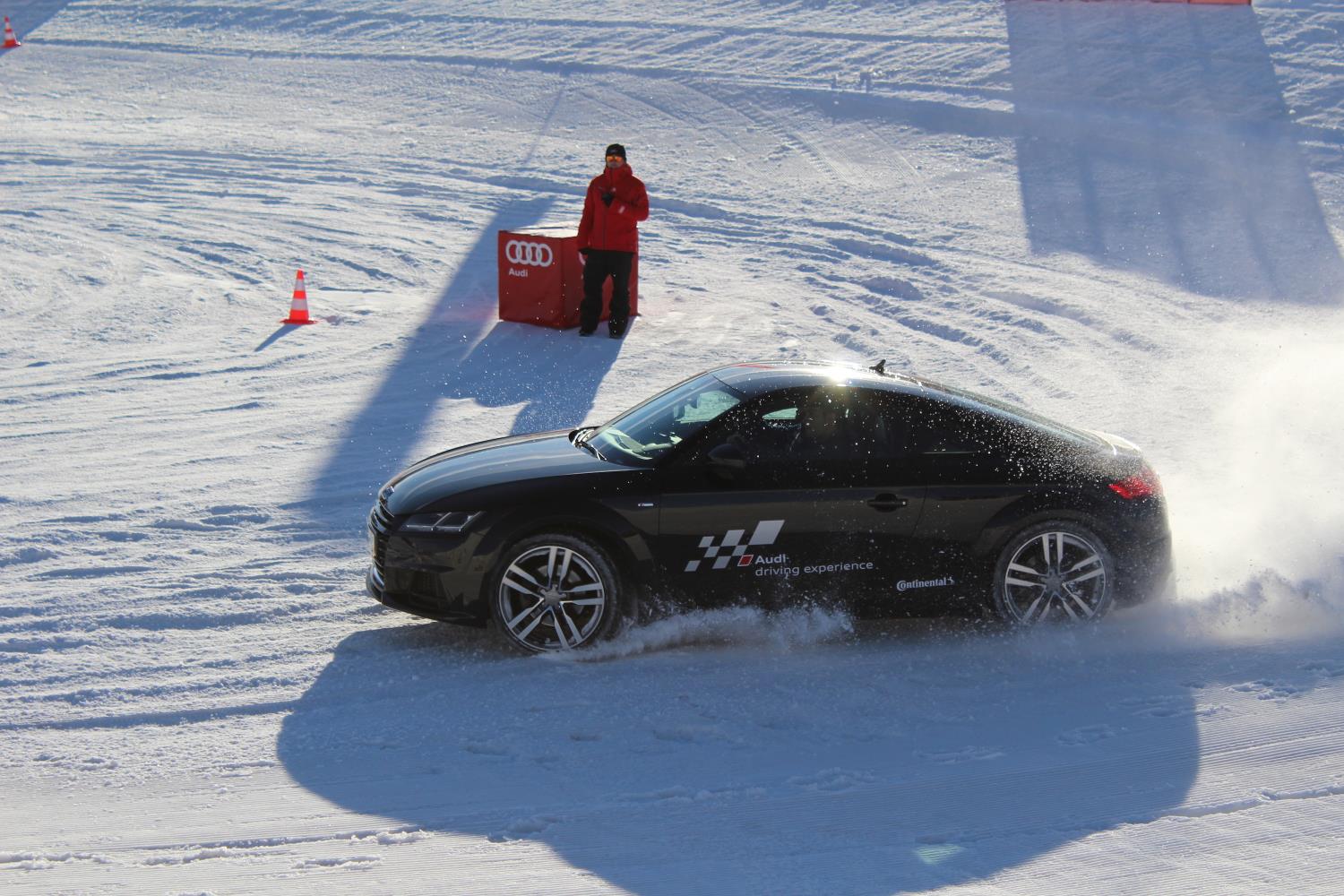
Driving safely on snow requires a range of knowledge that every driver should have. We analyze the most important points for extreme situations
Driving a car requires a distinctive personal approach with the purpose of ensuring safety during a journey, whether short or long. This personal approach describes the behaviors and activities carried out during the time a car journey takes.
The extent to which risks tend to be minimized depends on that personal approach, taking on responsibility for the safe driving that the driver must observe.
Safe driving is a matter of automatic responsibility; it requires knowledge, application and compliance with safety rules and measures. It must prevail when environmental conditions are adverse, such as when driving on snow is required.
In addition to carrying out regular vehicle checks, complying with rules and measures, and having adequate equipment, it is important to bear in mind the following tips for driving on snow, which help to better understand the manoeuvres and preparations needed to ensure the safety of occupants, other drivers and pedestrians.
Every action that can be taken to minimize the risks when driving on snow is never redundant to correct personal conduct in this circumstance, so it is never a bad idea to consider the driving-on-snow tips offered below.
Tips for driving on snow
Safe driving refers to the correct attitude and manner of taking on responsibility for driving the car. Every driver must know and respect the traffic rules and signs. The public road does not belong exclusively to one driver, so attention must be paid to the actions of other drivers and pedestrians using the roads.
When driving on snow, special care must be taken, such as the following:
- Environmental conditions: make a habit of checking the weather conditions and keeping informed of changes in the climate, as these may influence the decision to drive. Information on weather conditions can be consulted on the official AEMET website.
- Systems and fluid levels: before setting off, check that the wipers, front and rear lights, emergency and brake lights work correctly, and check tyre pressure, including the spare, which is increasingly rare. Likewise, check the levels of fluids in the vehicle, such as water, antifreeze, brake fluid and engine oil, and top up if necessary.
- Tyres: in this regard, snow chains can be fitted as anti-skid devices. Also, and increasingly recommended, Crossclimate/all season tyres can be used, which have shown high performance in any environmental conditions regardless of season, and are approved for driving on snow.
- Use of driving modes: you should be familiar with the systems and driving modes built into modern cars, which reduce the level of risk when driving on snow. Some cars have all-wheel drive, improving adaptability to the terrain, although this does not guarantee safe braking. They also feature ECO/SPORT/SNOW driving modes that slightly vary the specific settings of the various systems for this type of surface.
- Use of high gears: if driving a car with a manual gearbox, use high gears to avoid transferring excessive power to the driven wheels, which could then lose traction. A high gear reduces the accelerator’s response to the wheels, which is desirable in this case.
- Increase the following distance and anticipate braking: the less we brake on a slippery surface, the less traction we lose, so it is essential to brake early and always use engine braking, pressing the brake pedal as little as possible; and if necessary, avoid braking firmly or abruptly.
- Anticipate the line is essential because the steering wheels will turn less at higher speeds. Reducing speed and anticipating bends will spare you more than one scare, always avoiding, as in the previous point, sudden movements.
- Other measures: when driving on snow, it is important to keep a safe distance from the car in front, avoid sharp steering manoeuvres, keep high gears and widen the line taken through bends, even reducing tyre pressure to increase the contact patch.
What to do if you get stuck in the snow?
- PAS method (Protect, Alert and Assist): Protect: the occupants, who should remain in the car, with the engine running and the heating on, opening the windows for a few seconds every half hour to allow oxygen into the interior. Alert: notify the traffic authority or emergency services of the situation and exact location, which makes it necessary to carry a mobile phone and car charger. Assist: in case of injuries, protect the injured from further harm.
- Full fuel tank, food and blankets: plan ahead by keeping the fuel at its maximum and always carrying warm clothing, some food and a torch.
- Plenty of water, nuts, energy bars: plan ahead by having drinking water to avoid dehydration and food that provides energy.


 Peugeot E-208 GTi: a battery-powered toy that revives the spirit of the 1980s sports cars
 New Lexus ES: luxury grows and goes electric
 First contact with the Dacia Sandero Hybrid 155: power and efficiency from €19,890
Deja un comentario