Hyundai IONIQ Ioniq 5 Model Y Tesla Electric Cars Compact Comparisons Tests
Hyundai IONIQ 5 vs. Tesla Model Y: which electric compact performs better in everyday use in 2026?
 Iván Navarro
18 August 2026
6 min.

The premium electric compact segment in Spain has become a very specific rivalry: two cars, two philosophies, and a buyer who wants clear answers before signing. On one side, the Hyundai IONIQ 5, with its retro-futuristic styling and an 800 V platform that still sets the technical benchmark. On the other, the Tesla Model Y, which in 2026 keeps the commercial benchmark position it earned thanks to its own charging network and integrated software. This analysis focuses on how they really behave in the daily use of the Spanish driver.
From the initial list of candidates we deliberately ruled out BYD: in our editorial view, in this particular range there are alternatives that perform better both in perceived cabin quality and driving experience, so we prefer to focus the duel on two cars that truly compete head to head on that double criterion. One note before we continue: all price figures are the manufacturer’s recommended retail price (RRP), without dealer discounts, promotional campaigns or Plan Auto+ aid.
Segment context in 2026
The electric compact is no longer a promise. It is the backbone of private urban fleets in Madrid, Barcelona and Valencia, and also the car many families choose as their first “real” electric car. The 2026 electric compact comparison is decided on four fronts: usable range, charging speed on the road, usable space and total cost of ownership.
Hyundai IONIQ 5 from ≈44,700 €
The IONIQ 5 arrives in 2026 with the setup we already knew and a very defined proposition: a electric car with a tight body, a very long wheelbase —three metres— and an E-GMP platform that remains a reference for its 800 V architecture. The entry version (170 CV, 63 kWh battery) delivers 440 km homologated range. On paper it seems less than its rival, but the detail lies in how it consumes and how it recovers that energy.
| Power kW | Power CV | Top speed | Range | Consumption | Label | Fuel |
|---|---|---|---|---|---|---|
| 130 kW | 170 CV | 185 km/h | 440 km | ≈15.6 kWh/100 km | Electric |
Interior, technology and driving position
The IONIQ 5 cabin feels a step above in perceived quality: dual 12.3-inch screens, two-spoke steering wheel, sliding centre console and a sense of space that surprises anyone coming from a conventional SUV. The seating position is high but relaxed, with seats that recline almost fully — designed to make the most of charging stops. The Hyundai IONIQ 5 price in Spain, in the entry version, is around 44,700 € RRP, before aid.
Charging and real-world range
This is where the IONIQ 5 stands out. The 800 V platform allows very aggressive charging peaks and, in practice, 10-80% is done in just over eighteen minutes if the charger keeps up. In real consumption, driving on motorway at 120 km/h, it sits at around 19-20 kWh/100 km — an honest figure for the segment, although not the most efficient in cold weather.
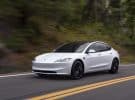
Tesla Model Y from ≈40,000 €
The entry-level Model Y RWD arrives in 2026 with 270 CV, 530 km homologated range and a 64 kWh battery — figures that, on paper, leave the IONIQ 5 at an apparent disadvantage. And here it’s worth clarifying: the WLTP cycle is not the same as consumption on a Madrid–Cádiz trip at legal speeds. Even so, the intrinsic efficiency of the Tesla remains its great weapon.
| Power kW | Power CV | Top speed | Range | Consumption | Label | Fuel |
|---|---|---|---|---|---|---|
| 220 kW | 299 CV | 200 km/h | 534 km | ≈13.1 kWh/100 km | Electric |
The Supercharger factor
This is the argument that keeps moving the needle. Tesla Model Y real-world range translates, on long trips, into shorter and better-planned stops thanks to a proprietary network that remains the most consistent in Spain. The car’s software integrates the route, the stop and battery preconditioning without the driver having to think about it. In mixed city-motorway use, the Model Y moves between 15 and 17 kWh/100 km, figures that support its theoretical range advantage. As we already saw in our ranking of electric compacts with more than 500 km homologated range, the Model Y remains a hard benchmark to beat on this parameter.
Minimalist interior, with nuances
The Model Y cabin continues to embrace radical austerity: one central screen, practically nothing else. It works, yes, but it doesn’t quite convince me as a long-term proposition — relying on the touchscreen to adjust mirrors or steering can become tiresome. Perceived quality has improved compared with earlier versions, although it still trails the Korean car in material feel.
Running costs: what really matters at year end
A typical driver covering 15,000 km/year, mostly urban, charging at home on a night tariff, spends a very similar annual energy amount on both: around 400–500 € if they make good use of off-peak hours. The real difference appears on long journeys and in the entry price. The Model Y starts around 4,700 € below the IONIQ 5 in base form — a gap that weighs heavily when deciding which is the best electric SUV 2026 for mixed use.
Summary table and score
| Model | Price from | Power | Range | Battery | Charging | Interior | Overall score |
|---|---|---|---|---|---|---|---|
| Hyundai IONIQ 5 | ≈44,700 € | 170 CV | 440 km | 63 kWh | 9/10 | 9/10 | 8.5/10 |
| Tesla Model Y | ≈40,000 € | 299 CV | 534 km | 64 kWh | 9.5/10 | 7/10 | 8.7/10 |
Verdict: which electric compact performs best in everyday use
If your use is mainly urban and peri-urban, with home charging and occasional long trips, the Hyundai IONIQ 5 offers the most rounded experience on board — an everyday electric car with a cabin that ages better. If the balance tips towards frequent travel and price is the deciding factor, the Tesla Model Y remains the most pragmatic choice, with a charging network that has no rival in the national market. There is no clear loser, only driver profiles.
FAQ
Which electric car makes more sense if I regularly take long trips?
The Tesla Model Y, for two specific reasons: longer homologated range (534 km versus 440 km) and preferential access to the Supercharger network, which reduces route-planning anxiety.
Which one has the better-finished interior?
The Hyundai IONIQ 5, in our editorial view. The materials, the ergonomics of its physical controls and the sense of space are a step above the minimalism of the Tesla.
How much does it cost to charge an electric compact per year?
With domestic use of 15,000 km/year and a night tariff, both models spend between 400 and 500 € a year on energy. On public fast charging, the cost can triple.
Which one holds its resale value better?
Both hold up well, but Tesla has historically shown steeper depreciation after each manufacturer price cut. The IONIQ 5 has remained more stable in the Spanish used-car market.
Technical specifications of the cars in this article

 Peugeot E-208 GTi: a battery-powered toy that revives the spirit of the 1980s sports cars
 New Lexus ES: luxury grows and goes electric
 First contact with the Dacia Sandero Hybrid 155: power and efficiency from €19,890
Deja un comentario