Hyundai IONIQ Ioniq 5 Model Y Tesla Electric Cars Comparisons Tests
Hyundai IONIQ 5 vs Tesla Model Y: which electric compact SUV offers the best range-to-price ratio in 2026
 Iván Navarro
23 October 2026
5 min.
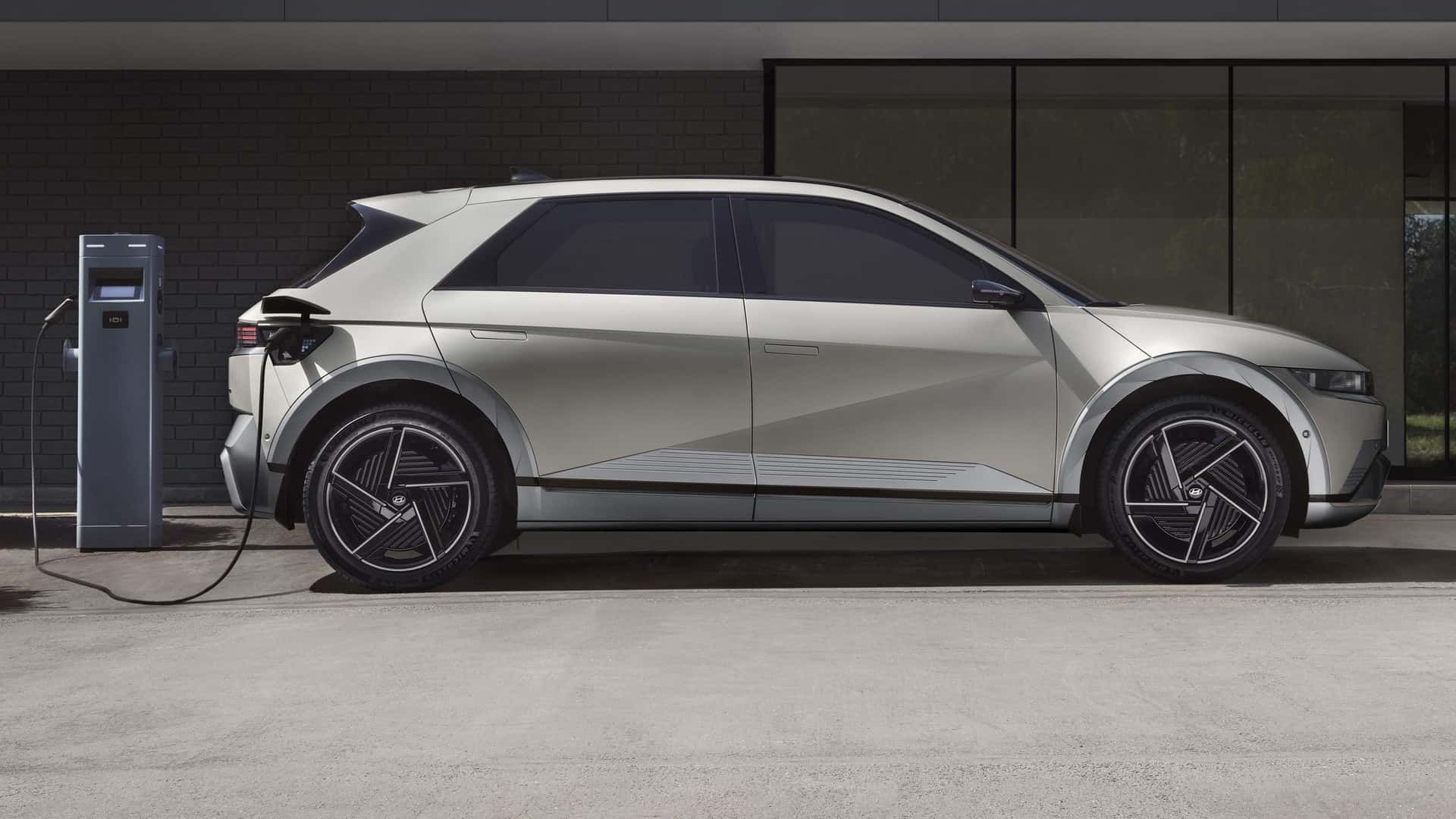
We compare the official power, battery, WLTP range and RRP figures of the Hyundai IONIQ 5 and the Tesla Model Y to work out which electric compact SUV gives you more kilometres per euro in 2026. The €/km result settles the question quite clearly.
Two electric compact SUVs dominate much of the showroom conversation in Spain this year, and that is no coincidence. The Hyundai IONIQ 5 and the Tesla Model Y represent two different ways of understanding affordable electric cars: retro-futuristic design with a Korean signature versus Californian minimalism with in-house software. But beyond taste, there is one question that decides many purchases: which one delivers more range for every euro invested? Let’s look at the numbers.
Hyundai IONIQ 5, from €44,700: technical specifications and positioning
The entry version of the IONIQ 5 in Spain is the 170 63kWh Light 5p Aut., with a 63 kWh battery and a single motor delivering 130 kW (170 CV). It is not the most powerful variant in the range, but it is the one that sets the entry price: from approximately €44,700 RRP, before discounts or aid.
| Power (kW) | Power (CV) | Top speed | Range | Battery | Fuel |
|---|---|---|---|---|---|
| 130 kW | 170 CV | 190 km/h | 440 km | 63 kWh | Electric |
With a WLTP range of 440 km, the IONIQ 5 easily covers day-to-day use. For long journeys, however, it does require planning one more stop than its direct rival.
Tesla Model Y, from €39,990: technical specifications and positioning
The Model Y arrives in its 272 60kWh Rear-Wheel Drive 5p Aut. configuration, with 200 kW (272 CV) and a 60 kWh battery. The starting price is €39,990, almost €4,710 below the entry-level IONIQ 5.
| Power (kW) | Power (CV) | Top speed | Range | Battery | Fuel |
|---|---|---|---|---|---|
| 200 kW | 272 CV | 201 km/h | 534 km | 60 kWh | Electric |
That is almost 100 km more WLTP range with a battery of similar capacity. That already says a lot about the efficiency of Tesla’s motor-software package, refined over years through over-the-air updates.
WLTP range: which one goes further on a single charge
534 km versus 440 km. The difference is not cosmetic: it is 94 kilometres, the equivalent of a Madrid-Toledo return trip without plugging in. The Model Y benefits from more refined thermal management and aerodynamics that, in my view, remain among the cleanest in the segment.
None of this takes away from the IONIQ 5. Its squared-off design, with those very recognisable pixelated lines, does penalise its drag coefficient somewhat, and that shows in the final range figure. It is the price of having its own personality in a segment where almost everything is starting to look alike.
Price and versions: what you actually pay for each model
It is worth being clear here: these are the manufacturer’s recommended RRP prices, without counting dealer offers, one-off campaigns or purchase aid. In practice, both models tend to move with variable discounts depending on stock and the current commercial campaign.
The IONIQ 5 starts at €44,700; the Model Y at €39,990. A difference of around €4,710 which, added to the Model Y’s range advantage, begins to tip the balance quite clearly.
The key calculation: euros per kilometre of range
Let’s divide the price by WLTP range, the exercise that truly answers the headline question:
- Hyundai IONIQ 5: €44,700 ÷ 440 km = €101.6/km of range.
- Tesla Model Y: €39,990 ÷ 534 km = €74.9/km of range.
The difference is more than €26 per kilometre in the Model Y’s favour. Put another way: with the Tesla you pay less for each kilometre of range the car offers from the factory. It is a cold figure, with no nuances of equipment, interior finish or driver-assistance features, but it is the one that best sums up the range-to-price relationship.
Summary comparison table with score
| Model | |||||
|---|---|---|---|---|---|
| Hyundai IONIQ 5 | 170 CV | 440 km | €44,700 | €101.6/km | 7.2 |
| Tesla Model Y | 272 CV | 534 km | €39,990 | €74.9/km | 8.8 |
The score weighs power, range and price together, without factoring in perceived interior quality or proprietary charging network, where Tesla still holds a notable structural advantage in Spain.
Public aid and the Plan Auto+: how they affect the final price
Both models may benefit from the Plan Auto+, the framework of public aid for purchasing electrified vehicles in force in Spain. We will not venture specific amounts here—these change fairly often and it is always advisable to check the plan’s official website before closing a purchase—but it is worth keeping in mind: the aid could narrow the entry price gap between the two models even further, or even reverse the conclusion if different criteria apply by manufacturer or autonomous community.
Which one makes more sense in 2026? Our editorial conclusion
On paper, the Tesla Model Y wins the range-to-price comparison by a comfortable margin. More range, more power and a lower entry price are three arguments that are hard to refute with a calculator in hand.
Even so, not everything comes down to €/km. The IONIQ 5 offers a different product experience—a more conventional interior, physical controls, an image that has aged better than expected—which for certain buyers justifies the extra cost. Nor is the Model Y a panacea: its ecosystem depends heavily on software and on Tesla decisions that do not always convince everyone. If you have already looked at alternatives in the segment, you may also be interested in our ranking of electric SUVs with the best range-to-price ratio under €45,000, where both models appear alongside other options on the Spanish market.
It remains to be seen how each brand’s commercial discounts evolve over the course of the year, which could change this snapshot considerably. For now, the calculation
Technical specifications of the cars in this article


 Peugeot E-208 GTi: a battery-powered toy that revives the spirit of the 1980s sports cars
 New Lexus ES: luxury grows and goes electric
 First contact with the Dacia Sandero Hybrid 155: power and efficiency from €19,890
Deja un comentario