Hyundai Electric Cars Technology
Hyundai will install solar panels on its vehicles starting in 2019
 David Lopez @espacionblanco
20 November 2018
3 min.
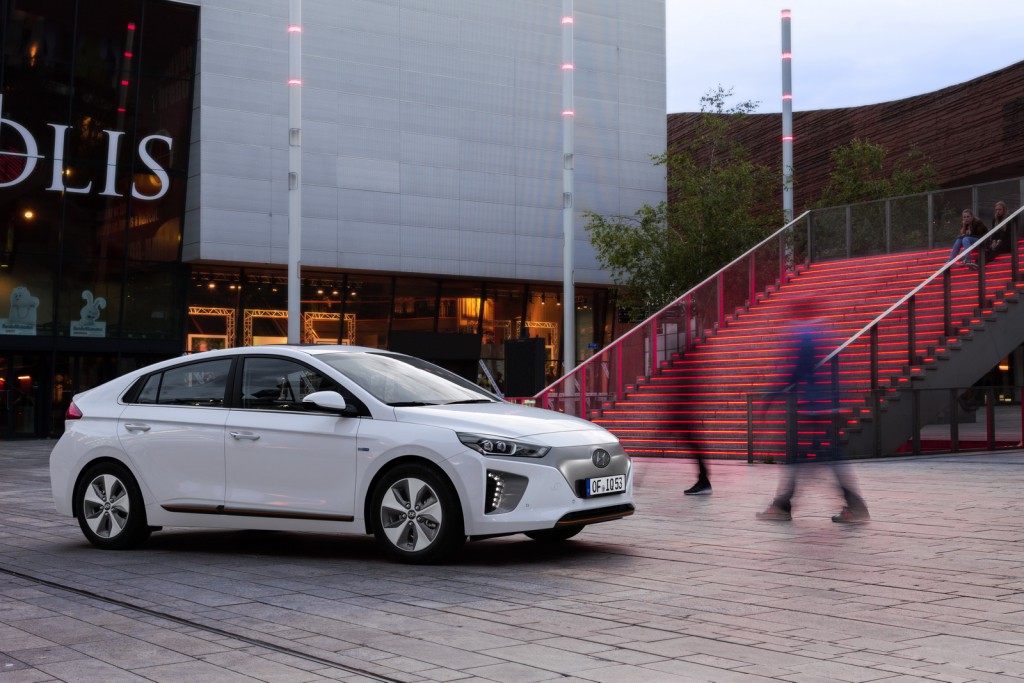
Hyundai will install solar panels in 2019 to increase the range of its electric models and also improve the efficiency of combustion engines
Although electric vehicles have today already reached a certain level of efficiency and performance, they still have a huge amount of room for improvement in various areas, so in the coming years we will see numerous announcements from companies showing us their new technologies in this field, just as has been happening for several eras with the still-dominant internal combustion vehicles.
For electric vehicles to be today the first choice of a potential buyer, and not out of obligation due to government measures, they still have some way to go. One of these areas that is perhaps of particular importance is their range and recharging, a solution that must come on the one hand from manufacturers improving their technology and, on the other, from governments creating infrastructure that allows users to recharge their vehicles’ batteries.
Hyundai is a brand that is working, among other things, very actively in this area, and a good example of this is the technology it now presents based on solar panels, which we will see soon in its vehicles. In fact, the company’s plans are to begin installing this advance starting in 2019. What is curious about this technology is that it will not only be available to battery electric or plug-in hybrid vehicles, but vehicles equipped with internal combustion engines will also be able to improve their efficiency thanks to this technology.
Currently, at Hyundai they are working on three charging systems in which solar panels are the main protagonists:
- First, the first-generation solar roof, aimed at hybrid vehicles, with which it is possible to recharge between 30% and 60% of the total battery capacity, a percentage that will logically vary between those figures depending on weather and environmental conditions. These panels are mass-produced using silicon, allowing them to be installed on virtually any type of roof.
- Second, we have the second-generation solar roof, which will be aimed at vehicles with internal combustion engines, marking the first time this type of technology is installed in this kind of vehicle. These panels will be installed on the panoramic sunroof and will be adjustable and semi-transparent, so they will not reduce visibility or transparency. This type of solar panel will serve to charge an additional battery installed alongside the main one, with the aim of reducing CO2 emissions and consumption; they can also be installed in electric vehicles to charge the primary battery and thus increase their range.
- Third, there is the third-generation solar roof, still in the testing phase. It combines solar panels installed on the bonnet and the roof, achieving maximum energy production, along with a controller that converts the electricity generated by the panels into standard voltage, and a battery used to store the electricity generated.
Hyundai states that the first two technologies are already fully functional, so, as I mentioned, their arrival in vehicles of the Hyundai Group will begin throughout 2019, including also the Kia models.
https://youtu.be/QL8nQaq1bZU

 Peugeot E-208 GTi: a battery-powered toy that revives the spirit of the 1980s sports cars
 New Lexus ES: luxury grows and goes electric
 First contact with the Dacia Sandero Hybrid 155: power and efficiency from €19,890
Deja un comentario