Is an electric car more cost-effective than a diesel or petrol one?
 Jaime Gomez
29 November 2018
5 min.
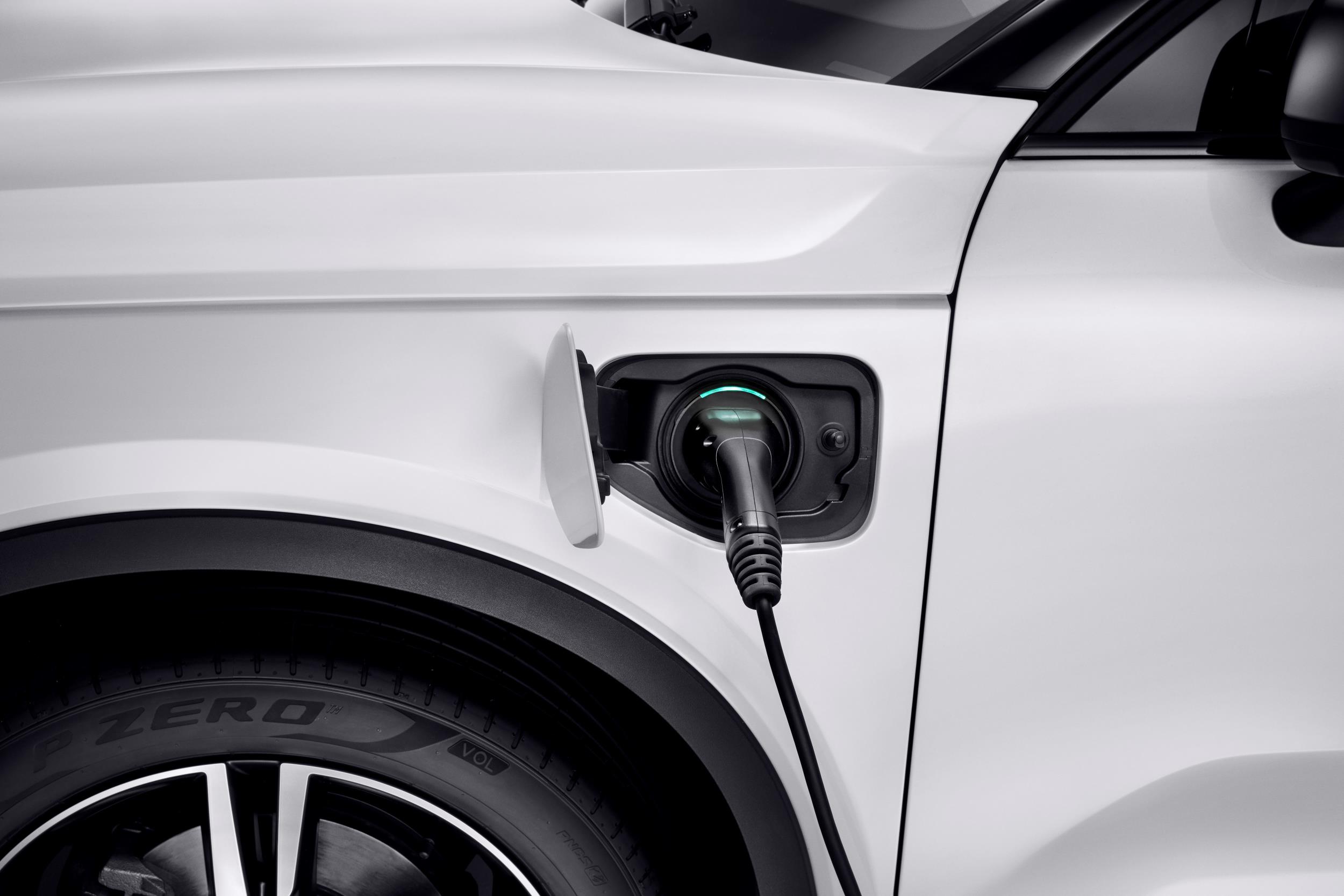
The entry price of an electric car is higher than that of a combustion car, but the savings it brings over the years make it more cost-effective.
The time has come to change cars, and the question today is obvious: is it better to buy a diesel, a petrol or an electric car? Apart from the hybrid options and alternative fuels, which we will leave aside, the differences are really significant, so it is important to look closely at their cost-effectiveness, taking into account factors such as range, initial price and similar aspects.
How much does it cost to fill the tank or charge the battery at current prices?
Let us start with one of the main concerns of every driver: the final cost of filling the fuel tank or the batteries of electric models, because, after all, a visit to the petrol station is as routine as it is expensive.
To keep the calculations simple, let us consider the average price to drive 100 kilometres in mixed conditions, that is, this distance split between urban roads and fast roads.
According to Red Eléctrica de España, the average price of a kilowatt-hour, including the electricity tax and VAT, has been 0.13236 €/kWh over the last two years. Taking a fairly common model such as the Renault ZOE that we tested recently, which needs around 13.3 kWh to cover 100 km, the total cost of this journey would be about 1.76 euros.
On the other hand, if we take as a reference the current prices of petrol and diesel, the cost-effectiveness of the electric car is clear. A vehicle with the same characteristics as the previous one but with a combustion engine needs about 5 litres of fuel to cover the 100 km, which means the driver pays a figure between 6 and 6.5 euros.
Therefore, filling the tank will always be much more expensive than charging the battery of an electric car (around 200% more), which at the end of the year can add up to a considerable amount between one model and another.
Other factors to consider: subsidies, taxes, maintenance and installation cost
But charging the batteries or filling the tank are not the only criteria to watch closely. One of the factors that most discourages drivers from choosing an electric engine is the price of these vehicles.
Taking a vehicle of similar characteristics, the car with an electric motor can easily cost twice as much as the combustion models. However, there are tax subsidies that can considerably reduce the price, as well as other measures such as not paying in blue zones, which must also be weighed in the long term.
At first, the electric car is much more expensive, although all the tax measures promoted to encourage its adoption must be weighed if you want to find the cost-effectiveness you are looking for.
Another aspect to assess is whether to rent or buy the batteries. Here, most brands that already offer electric vehicles provide both options, adapted to the needs of each buyer. One of the most popular options is renting. The battery of an electric model is practically the most expensive part of the whole vehicle, and replacing it can be a serious setback for the user, so renting avoids a major outlay in case of failure in exchange for a monthly fee.
The same applies to the charging point, an installation usually made in a private car park, which can be paid for in full by the driver or rented from the energy supplier. It usually costs between 1,200 and 1,500 euros.
Taking all of this into account, the electric vehicle turns out to be much more cost-effective in day-to-day use because of its running costs, although its price, the installation of the charging point and other similar aspects must be considered, which balance this cost-effectiveness somewhat.
Practical case: how many kilometres must I drive per year to recover the investment?
We can start with the same electric model used above or a Nissan Leaf, which are the ones that make up the largest share of the car fleet according to ANFAC data: both models cost on average 30,000 euros (the Renault ZOE is close to that figure and the Nissan Leaf slightly exceeds it).
Similar models in combustion-engine versions (Renault Clio and Nissan Pulsar, although the latter is no longer manufactured) cost on average 13,000 euros, so the difference is about 17,000 euros, which is what the electric car costs extra.
To recover the extra 17,000 euros invested, and according to the calculation made above (almost 5 euros per 100 kilometres), we would need to drive 340,000 kilometres. However, this figure drops considerably if we include the savings on maintenance, taxes, parking subsidies and the convenience of being able to drive through any city without restrictions.
In short, we conclude that an electric car available on the market becomes cost-effective from 20,000 kilometres a year if we keep it for at least 10 years.


 Peugeot E-208 GTi: a battery-powered toy that revives the spirit of the 1980s sports cars
 New Lexus ES: luxury grows and goes electric
 First contact with the Dacia Sandero Hybrid 155: power and efficiency from €19,890
Deja un comentario